National Dish Malawi: Nsima ndi Ndiwo (Recipe)
In this article
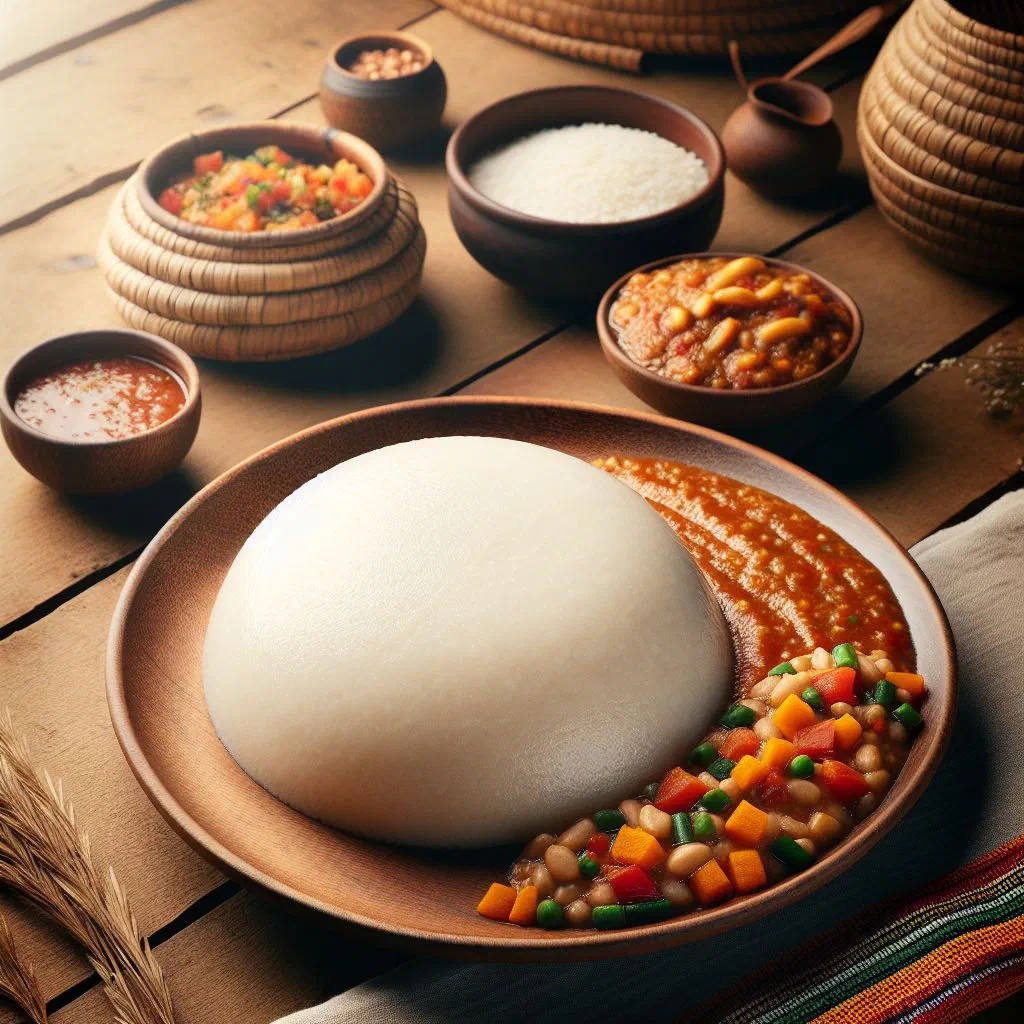
Meet Nsima ndi Ndiwo, the dish that sits at the very heart of Malawian home cooking. A soft mound of creamy maize porridge takes centre stage, paired with a savoury relish of greens and meat that brings colour and depth to the plate. Simple, nourishing and endlessly comforting, it is the kind of meal that draws family and friends around the table. Bring a taste of warm Malawian hospitality straight to your own kitchen.
About Nsima ndi Ndiwo
Nsima ndi Ndiwo is far more than a meal. It is a true cultural ambassador of Malawi. At its core is a creamy maize porridge that is the foundation, accompanied by hearty side dishes of vegetables and meat. This pairing pleases the palate while delivering a wealth of nutrients in every mouthful. Nsima is often served at social gatherings, a custom that reflects the deep-rooted hospitality of the Malawian people and their love of sharing food together.
Ingredients (serves 1–2)
- 2 cups maize meal
- 4 cups water
- 400 g vegetables (such as spinach or butternut squash)
- 200 g meat (chicken or beef)
- Seasoning to taste (salt, pepper)
Shopping for the ingredients
To get the best ingredients for your Nsima ndi Ndiwo, it is worth visiting local markets or an African or Asian grocery. There you will usually find fresh vegetables and good-quality maize meal. Make sure the meat comes from a trusted source to guarantee the quality of your meal. With a little care over sourcing, you can bring the authentic Malawian flavour experience into your own kitchen.
Preparing the dish
Preparing Nsima ndi Ndiwo takes only a few simple steps. Begin by thoroughly washing the vegetables and cutting them into small pieces. If you are using meat, cut it into bite-sized chunks as well. It is also wise to have your seasonings ready in advance to make the cooking process smoother. The better your preparation, the quicker you will move through the cooking itself.
Step-by-step instructions
- Bring the water to the boil in a large pot.
- Slowly add the maize meal, stirring constantly to avoid lumps.
- Cook the mixture over medium heat until the porridge becomes thick and creamy.
- In a separate pot, fry the meat with the seasonings until cooked through.
- Sauté the vegetables in another pan until tender.
- Serve the nsima with the relishes alongside and enjoy the dish.
Gluten-free / lactose-free version
Nsima is naturally a gluten-free dish, as it is made purely from maize meal. For a lactose-free version, you simply need to make sure the accompanying relishes contain no dairy products. Vegetables and meat are ideal for creating a nourishing and flavourful meal, so anyone with intolerances can enjoy the dish without sacrificing any of its delicious taste.
Tips for vegans and vegetarians
Vegans and vegetarians can easily adapt Nsima ndi Ndiwo by replacing the meat with plant-based protein sources such as beans or lentils. Tofu also makes a great alternative and adds an extra hit of protein. The vegetables can be varied according to the season and your preferences, giving you plenty of room to be creative. The result is a colourful, varied meal that suits every kind of diet, much like the hearty Nsima With Beans.
More tips and tricks
When preparing Nsima ndi Ndiwo, getting the right consistency of the nsima is key. It should be neither too runny nor too stiff. Another tip is to be patient while cooking and to stir regularly to achieve an even texture. Experiment with different seasonings to intensify the flavour. These small adjustments can make the dish even more delicious, and the same patience pays off with a classic Nsima.
Adapting the recipe to your taste
Nsima ndi Ndiwo lends itself to all sorts of variation. Try different kinds of vegetables or meat to suit your personal taste. For a spicy note you can add fresh chillies or use punchy sauces. There are no limits to your imagination, so everyone can create their own variations while keeping the authentic experience intact. For a fish-based take, try Nsima With Fish.
Ingredient substitutions
If you do not have maize meal to hand, try rice flour or millet flour to make a similar porridge. The vegetables can also be swapped for whatever varieties you prefer or happen to have available. For the protein component, seitan or tempeh make excellent meat alternatives. This flexibility keeps the dish accessible for a wide range of tastes and diets, whether you lean towards a greens-based relish like Nsima With Mkhwani or a richer stew.
Drink pairing ideas
Refreshing drinks pair beautifully with Nsima ndi Ndiwo. Traditionally, Malawi often serves black tea or fruit juices alongside the meal. If you prefer something non-alcoholic, a mint lemonade is a wonderful choice. Alternatively, local beers or wines can harmonise well and add to the convivial mood.
Serving and presentation ideas
To present Nsima ndi Ndiwo attractively, use flat plates and arrange the porridge in the centre. Place the relishes around it so that an appealing and inviting dish takes shape. Fresh herbs can be added as a garnish to highlight the colourful look. This creative presentation makes the dish tasty and a real centrepiece on the table.
A bit of history
The origins of Nsima ndi Ndiwo reach back into the traditions of Malawian culture, where maize plays a central role as a staple food. It has become a classic dish in countless households, lovingly prepared across the generations. Making nsima is an art in its own right, and the various relishes often differ from region to region. Over the years the dish has grown into a symbol of Malawian identity and is celebrated throughout Malawian cuisine.
More recipe ideas
Summary: Nsima ndi Ndiwo
Nsima ndi Ndiwo is a hearty, nourishing dish that keeps the traditions of Malawi alive. Its simple preparation and the versatility of the relishes make it an outstanding choice for sociable occasions. You can adapt the dish to your own preferences to create a truly unique flavour experience. Give this delicious meal a try and bring a little piece of Africa into your own kitchen.