National Dish Malawi: Nsima with Ndiwo (Recipe)
In this article
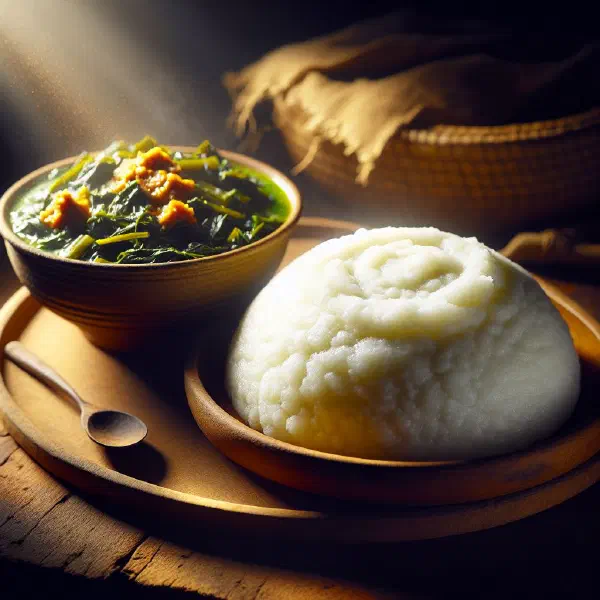
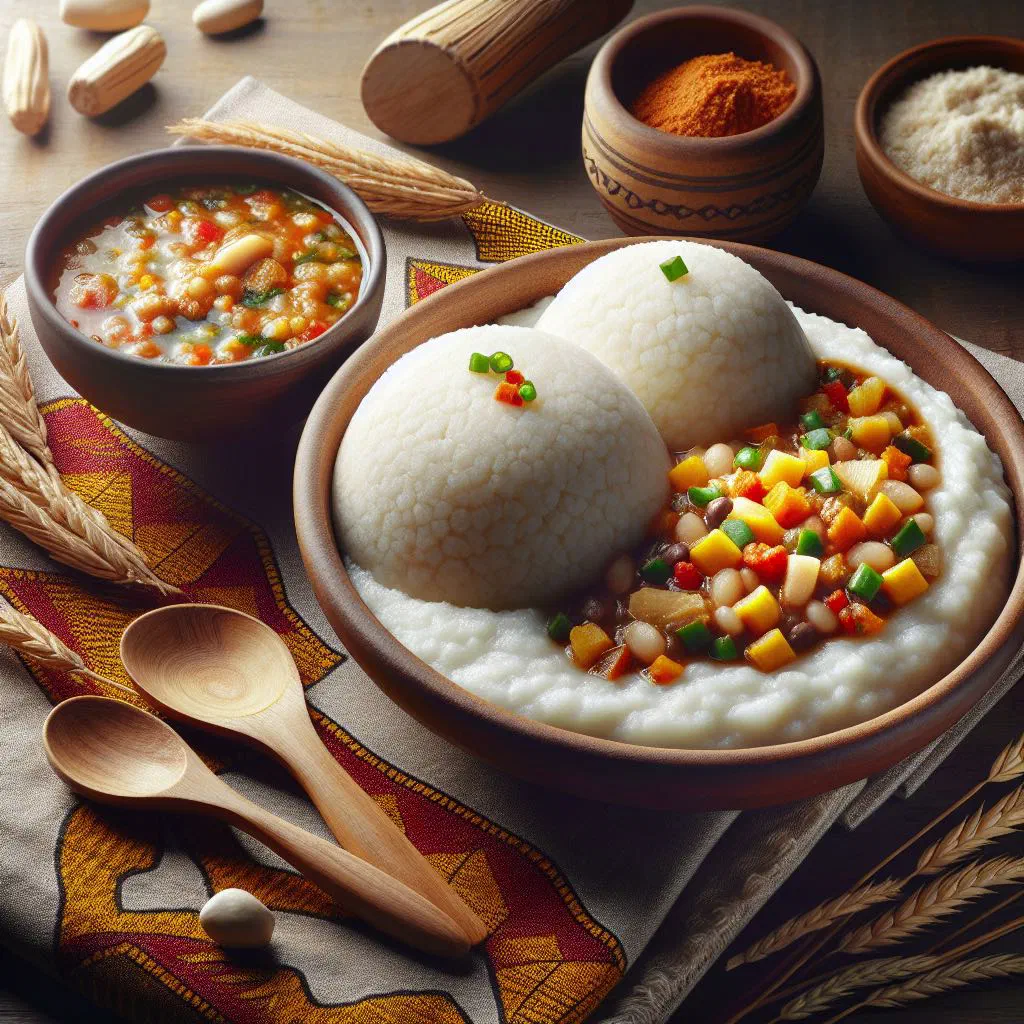
Meet Nsima with Ndiwo, the meal that sits at the very heart of Malawian home cooking. A thick, comforting maize porridge is paired with a lively side of stewed vegetables known as ndiwo, and together they make a plate that is filling, wholesome and deeply satisfying. More than just food, this pairing stands for hospitality and togetherness, bring a taste of Malawi to your own table with this simple, soulful classic.
About Nsima with Ndiwo
Nsima is the everyday staple of Malawi, a thick maize-meal porridge that is easy to prepare and wonderfully filling. It is traditionally served alongside a variety of vegetables and stews known collectively as ndiwo. The combination of nsima and ndiwo not only makes for a delicious meal, it also reflects the hospitality and cultural traditions of the country. For many Malawians, sharing a plate of nsima is a sign of community and belonging, a moment to come together over honest, nourishing food.
Ingredients (serves 1–2)
- 1 cup maize meal
- 3 cups water
- Vegetables of your choice (e.g. spinach, carrots, beans)
- Seasoning (e.g. salt, pepper)
Shopping for the ingredients
Choose maize meal that is fresh and of good quality for the best results. Visit local markets or shops that stock African and Asian groceries to track down any special ingredients. Fresh vegetables are just as important for a flavourful ndiwo, so pick seasonal produce from your local greengrocer. Wholesome, healthy ingredients make for a better meal and support your overall wellbeing.
Preparing the dish
Before you start cooking, get all of your ingredients ready. Wash and cut the vegetables into bite-sized pieces. If you are using beans, remember to soak and pre-cook them beforehand. Make sure you have all the tools you need to hand, such as pots, spoons and bowls, so the process runs smoothly from start to finish.
Step-by-step instructions
- Bring 3 cups of water to the boil in a pan.
- Reduce the heat and slowly add the maize meal, stirring constantly.
- Cook the mixture for about 10–15 minutes, until it is thick and creamy.
- In a separate pan, sauté the vegetables with your seasonings until tender.
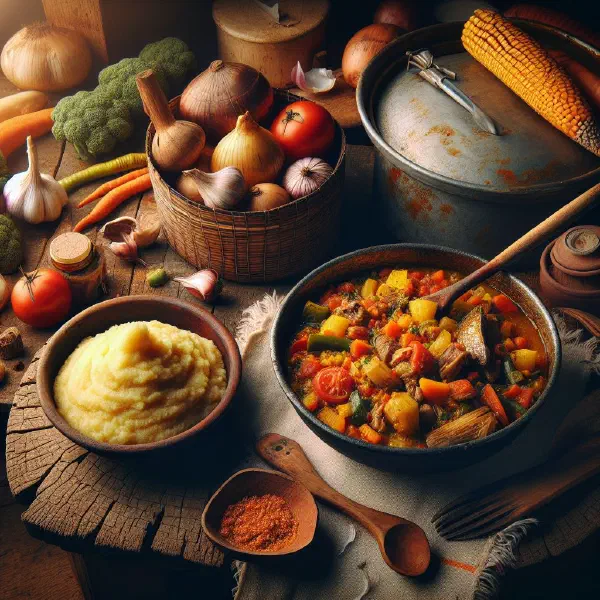
- Serve the nsima on a plate and add the vegetable ndiwo alongside.
Gluten-free / lactose-free version
For a gluten-free or lactose-free take on nsima, simply use maize meal, which is naturally free from gluten. Avoid any dairy products when preparing the stew to keep it suitable for those with a lactose intolerance. Instead, you can use plant-based milk or a vegetable stock as the base for your vegetable dishes. Take care that every ingredient you add is gluten-free and contains no hidden sources of gluten.
Tips for vegans and vegetarians
For vegan versions of ndiwo, choose a range of vegetables and pulses to build in protein-rich options. Lentils, chickpeas or beans are excellent for adding more body and nutrients to the dish. Use plant-based oils to sauté the vegetables, along with seasonings that are free from animal products. Enriching the nsima with vegetable stock in place of water adds an extra layer of flavour. A bean-based side such as Nsima With Beans makes a hearty meat-free option.
More tips and tricks
A few key tips will help your nsima and ndiwo turn out even better. Stir the nsima constantly as it cooks to avoid lumps and keep a smooth consistency. If you like, add a few drops of oil or a knob of butter to deepen the flavour. Experiment with different seasonings and herbs to give the dish your own personal touch, much as you would with a comforting Groundnut Stew.
Adapting the recipe to your taste
Adjust the recipe to your own liking by adding different vegetables or tweaking the seasonings to taste. Mix in peppers or courgette alongside your usual ingredients for extra variety. You can also play with the consistency of the nsima, adding more or less water to reach the thickness you prefer. Work out what suits your palate and enjoy experimenting with new ingredients.
Ingredient substitutions
If you do not have maize meal to hand, alternative flours such as rice flour or millet flour offer a similar texture. For the vegetable side you can use frozen vegetables instead of fresh when time is short. Crushed tomatoes or coconut milk make a great addition to the vegetable stew, lending it a special note. A pumpkin-leaf option like Nsima With Mkhwani is another delicious way to vary the greens. Be creative when it comes to adapting your ingredients.
Drink pairing ideas
A number of drinks pair beautifully with nsima and ndiwo. Traditionally, many Malawians enjoy Chibuku, a popular beer brewed from maize that goes well with hearty food. Alternatively, you could serve thobwa, a sweet fermented maize drink, for a refreshing combination, see our Thobwa recipe. For those who prefer to skip alcohol, a simple glass of water with lemon or mint is an excellent choice.
Serving and presentation ideas
Thoughtful presentation can really lift your nsima and ndiwo. Serve the nsima in a lovely large bowl and the ndiwo on a separate plate or dish so the colours of the vegetables stand out. Use fresh herbs or edible flowers as a garnish to make the dish visually appealing. Consider serving on traditional Malawian plates or dishware to create an authentic atmosphere at the table.
A bit of history
Nsima has its roots deep in Malawian cooking and has been eaten for centuries. The practice of grinding and cooking maize is thought to date back to the region’s earliest settlers. The preparation of nsima and ndiwo reflects the country’s culinary tradition and its historical and social customs. In Malawi, sharing food is an important part of the culture, a cornerstone of the wider Malawian cuisine that fosters community and togetherness.
More recipe ideas
Summary: Nsima with Ndiwo
Nsima and ndiwo are not just an easy dish to prepare. They are an essential part of Malawian culture. This pairing of creamy maize porridge and flavourful vegetables offers a hearty, satisfying meal. Thanks to its flexibility in preparation and adaptation, nsima suits everyone, whether you are vegan, vegetarian or a meat lover. Let the variety and warm-hearted character of this traditional dish inspire you, and enjoy a genuine taste of Malawi.