National Dish Malawi: Phala (Recipe)
In this article
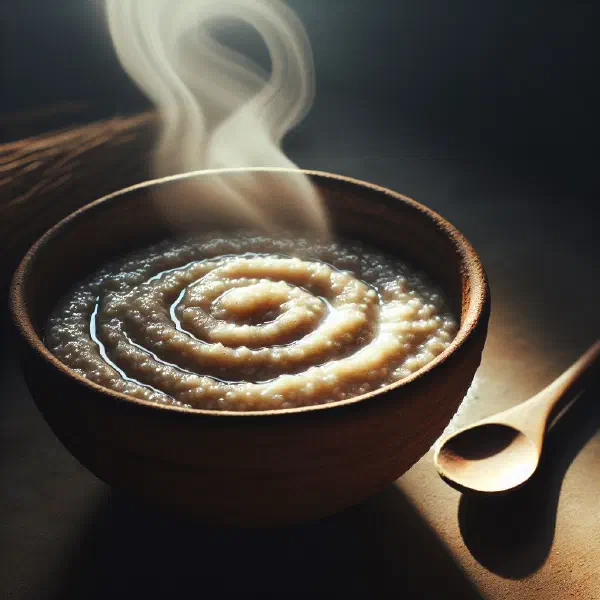
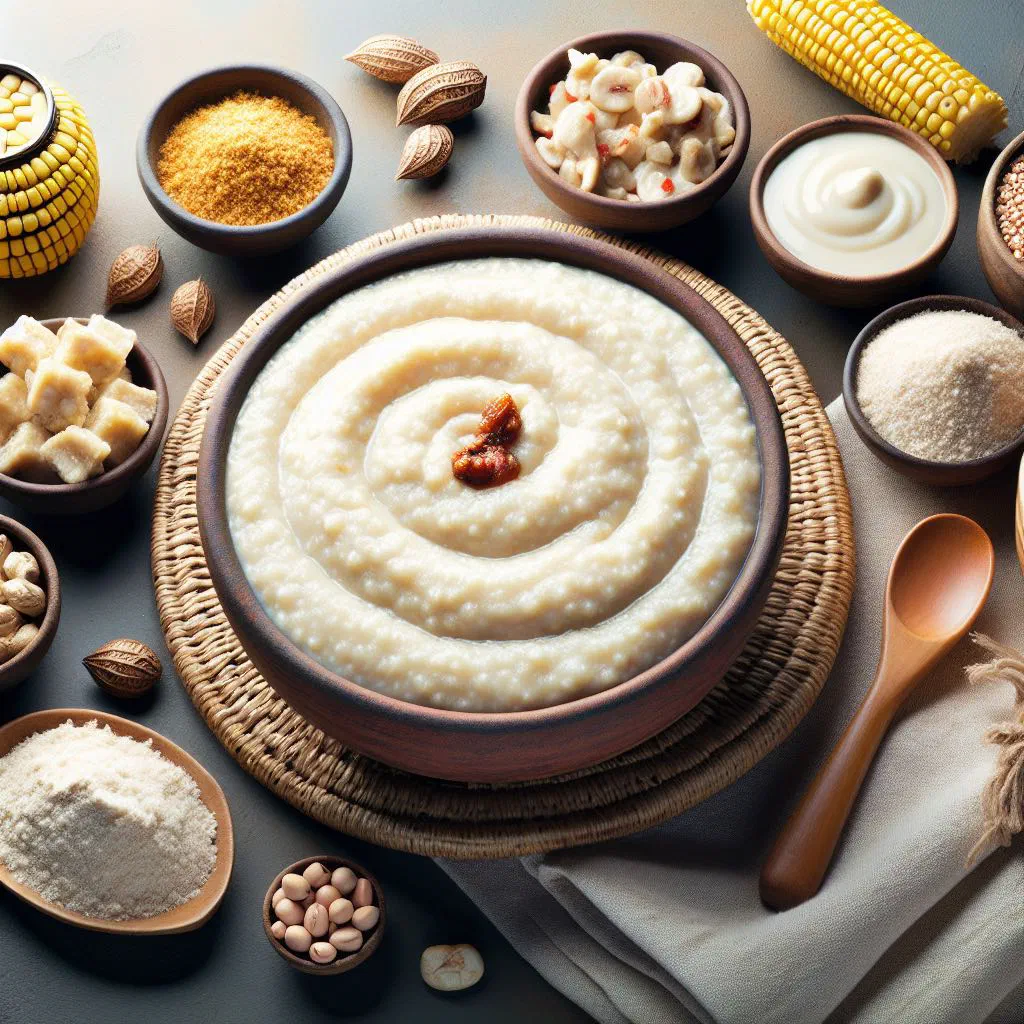
Meet Phala, the creamy, comforting maize porridge that forms the backbone of everyday cooking in Malawi. Made from little more than cornmeal and water, it is warm, nourishing and endlessly adaptable. Just as happy sweetened with a drizzle of honey for breakfast as it is served plain alongside a savoury stew. Simple to make yet deeply satisfying, this humble bowl brings an authentic taste of Malawi straight to your own kitchen.
About Phala
Phala is a traditional dish from Malawi built primarily around maize flour. It has a smooth, creamy consistency and is often served as a staple food, eaten day in and day out across the country. This delicious and nourishing dish is not only much loved in Malawi but has also found recognition further afield. The great versatility of Phala means you can fold in all sorts of flavours and extra ingredients, so every cook can arrive at their own favourite version.
Ingredients (serves 1–2)
- 1 cup maize flour
- 4 cups water
- A pinch of salt
- Optional: sugar or honey (to taste)
- Optional: extra flavourings such as vanilla or cinnamon
Shopping for the ingredients
The ingredients for Phala are available in most supermarkets or in specialist African grocery shops. Be sure to choose good-quality maize flour to guarantee the best flavour and the consistency you are after. For an authentic result, pay attention to the freshness of the other ingredients too. If you would like to add special flavourings such as vanilla or cinnamon, it is best to visit a spice merchant or a well-stocked supermarket.
Preparing the dish
Before you begin making Phala, it is important to have all your ingredients ready to hand. Measuring the ingredients accurately is a crucial step in getting the consistency just right. If you plan to prepare a sweet version, have your choice of sweeteners standing by. Making Phala does not take much time, but a little careful preparation makes a big difference.
Step-by-step instructions
- Bring the water to the boil in a large pan.
- Add a pinch of salt to bring out the flavour.
- Reduce the heat and add the maize flour slowly, stirring constantly.
- Cook the mixture over medium heat until it turns thick and creamy.
- If you would like to add sweeteners or flavourings, do so now and stir well.
- Serve the Phala warm, either plain or with your favourite accompaniments.
Gluten-free / lactose-free version
Phala is naturally gluten-free as long as you use pure maize flour. Take care to choose gluten-free products for any other ingredients too, to avoid cross-contamination. For lactose-free cooking the dish is already suitable, since it contains no dairy at all. This makes Phala an excellent choice for anyone with particular dietary needs.
Tips for vegans and vegetarians
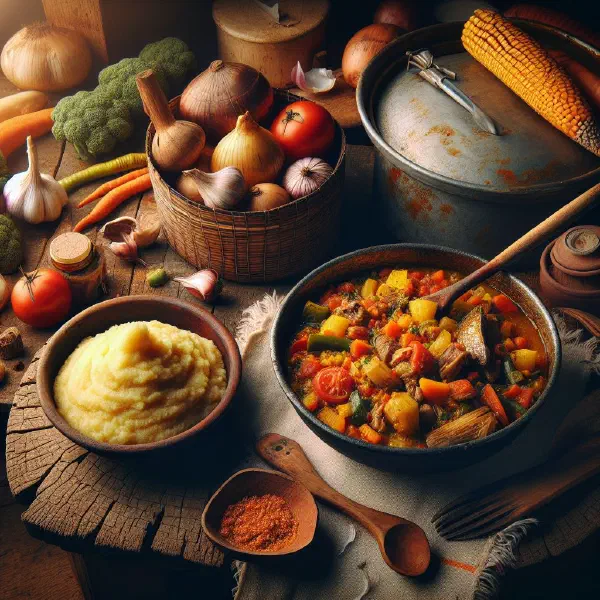
The recipe for Phala is already vegan, as it calls only for plant-based ingredients. If you would like to make it even more varied, however, you can add vegetables or pulses. These round out the flavour and give the dish an extra boost of nutrients. Experiment with different herbs and spices to create your own vegan version, much as you might with a hearty Nandolo Stew.
More tips and tricks
To achieve the perfect consistency for Phala, it is important to keep stirring the maize flour continuously into the water. You can also play with the cooking time to reach the thickness you prefer. If it becomes too thick, simply add a little more water.
Adapting the recipe to your taste
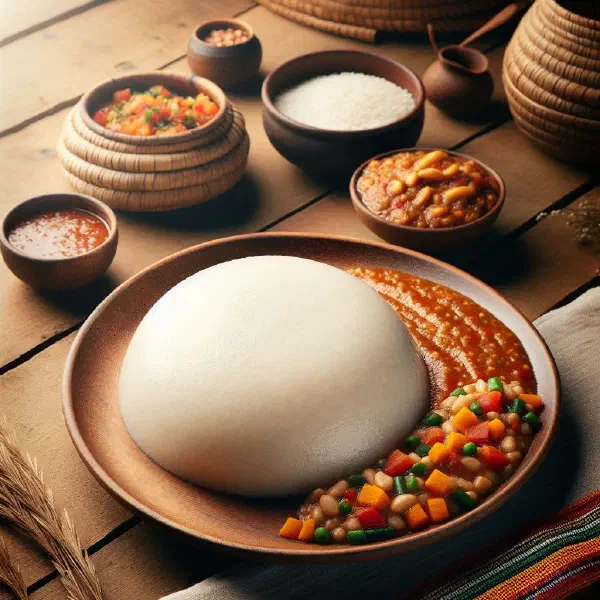
The wonderful thing about Phala is its flexibility. Depending on your preference you can try out sweet or savoury versions. Add fresh fruit, nuts or seeds for new flavours and textures. Different spices can transform the character of the dish entirely, so it never grows dull. It sits comfortably beside other Malawian staples such as Nsima.
Ingredient substitutions
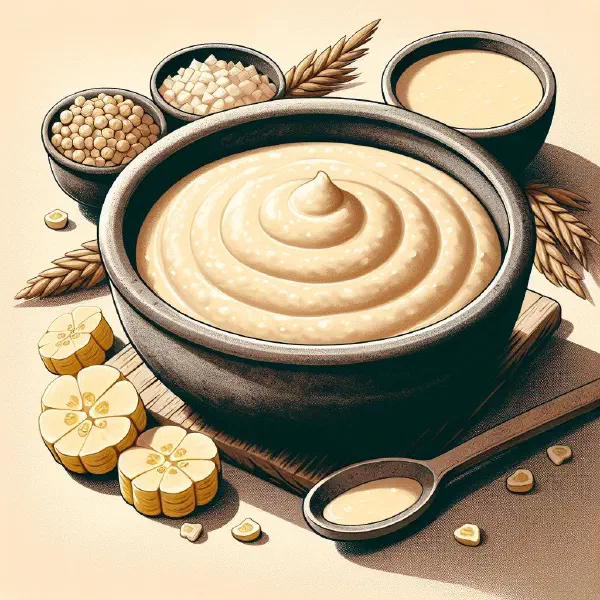
If you do not have maize flour to hand, you can also use other flours such as rice or millet flour to achieve similar results, the same thinking that shapes a bowl of Mgaiwa Phala. Even a small change in ingredients can give the eating experience a completely new twist. When it comes to sweeteners, you might reach for agave syrup or stevia to suit your particular diet. Play around with the ingredients to find your ideal blend.
Drink pairing ideas
Both savoury and sweet drinks go well with Phala. A freshly pressed juice or a chilled herbal tea complements the dish beautifully. If you fancy something traditional, try a lightly fermented Malawian drink such as Thobwa. These drinks can be both refreshing and nourishing, and they harmonise nicely with the creamy taste of the dish.
Serving and presentation ideas
A perfectly made Phala can be served up attractively on the plate. Garnish the dish with fresh herbs or a drizzle of plant oil to add colour and flavour. Serve it in a lovely bowl and add a variety of accompaniments that complement its textures and aromas. An appealing presentation turns the meal into an occasion and whets the appetite.
A bit of history
Phala has deep roots in Malawian culture and has been prepared for generations. It is not merely food but also a symbol of community and sharing. In many Malawian households it is a central dish, often served at gatherings and celebrations. The recipe has been passed down over the years and has evolved according to region and family preference, standing alongside beloved staples of Malawian cuisine.
More recipe ideas
Summary: Phala
Phala is a simple yet exceptionally nourishing dish that is easy to prepare. With just a handful of ingredients you can create something delicious that can be enjoyed either savoury or sweet. Its many possibilities for adaptation make it a versatile dish for any occasion. Let the flavours of Malawi inspire you and bring a piece of this rich culture into your own kitchen.