National Dish Malawi: Thobwa (Recipe)
In this article
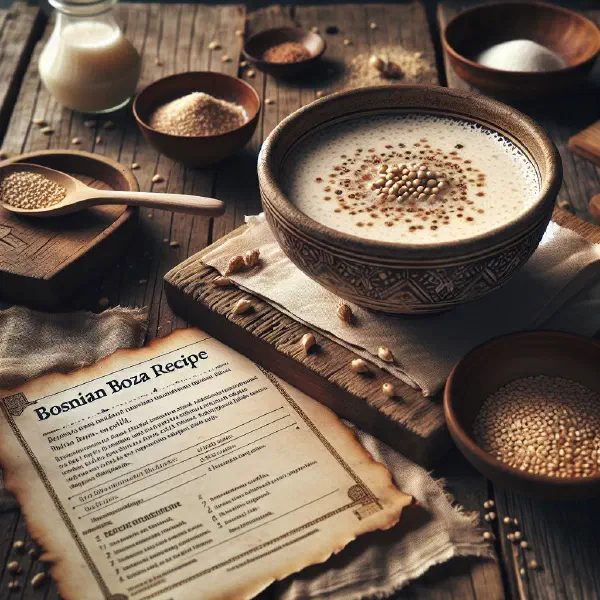
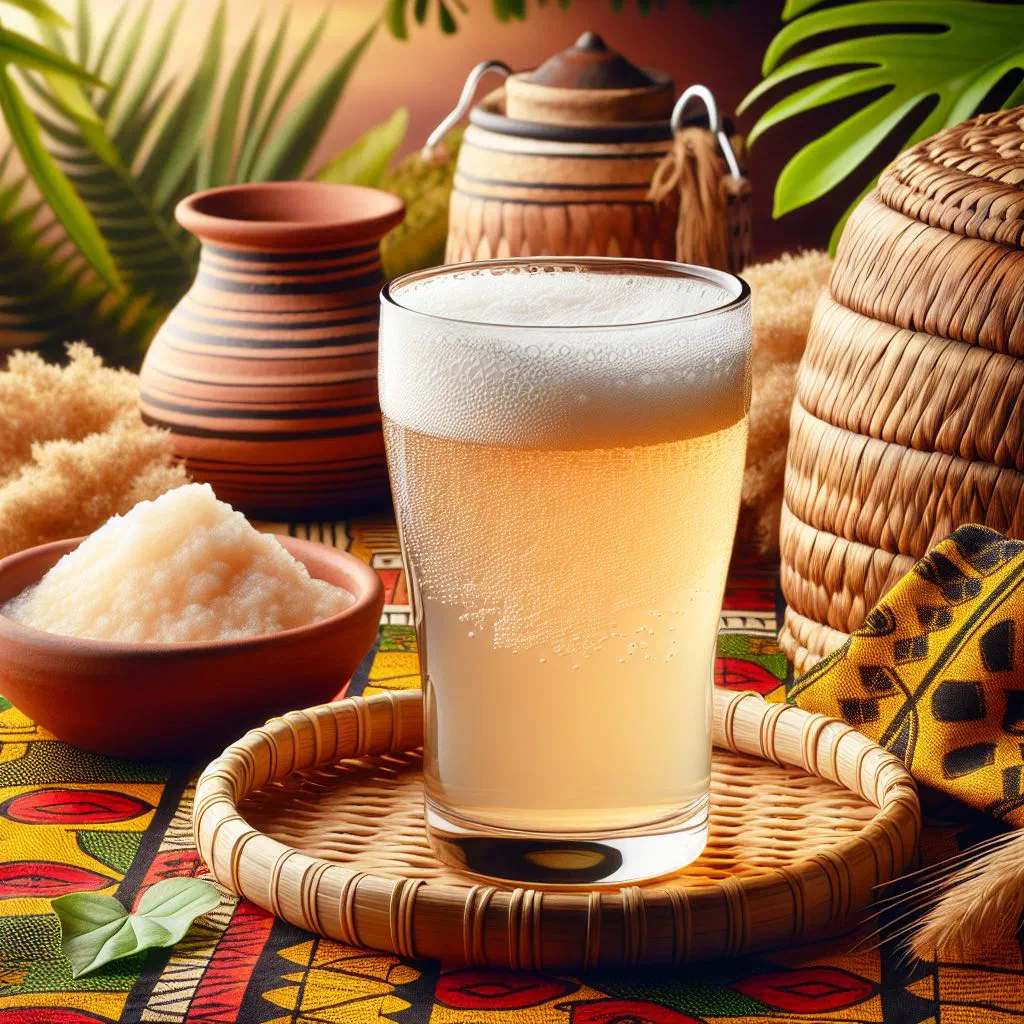
Meet Thobwa, a much-loved traditional drink from Malawi made from fermented maize and water. Frothy on top and gently sweet, it is a wonderfully cooling thirst-quencher for a warm afternoon. More than just a refreshment, thobwa carries real cultural weight, appearing at celebrations and communal gatherings across the country. It takes a little patience to make, but the reward is a unique flavour and a genuine taste of Malawian hospitality.
About Thobwa
Thobwa is a traditional Malawian drink prepared from fermented maize and water. It has a lightly foamy texture and a subtly sweet flavour, which is exactly what makes it such a popular thirst-quencher. In Malawi, thobwa plays both a culinary and a meaningful cultural role, since it is often served at festivals and communal gatherings. Making the drink calls for a certain amount of patience, but it rewards you with an one-of-a-kind flavour and a special experience, much like the everyday staple Nsima that anchors so many meals here.
Ingredients (serves 1–2)
- 1 cup maize flour
- 4 cups water
- 1/2 cup sugar (optional)
- A pinch of salt
Shopping for the ingredients
The ingredients for thobwa are available in most grocery shops or at local markets. Maize flour in particular is very widely used in Malawi and sits at the heart of the country’s cooking. If you live in a Western country, look for fine maize flour or masa harina. It can also be worth asking at an Asian or international grocery to track down the best options for the ingredients you need.
Preparing the dish
To get thobwa just right, careful preparation of the ingredients is key. Begin by slowly stirring the maize flour into the water so that no lumps form. Leave the mixture to stand for several hours so that fermentation can begin. This is an important step for achieving the characteristic flavour of thobwa. The patience you put into this process pays off, because it shapes both the aroma and the consistency of the finished drink.
Step-by-step instructions
- Combine the maize flour with 4 cups of water in a large bowl.
- Cover the bowl with a cloth and leave the mixture to ferment for 24 to 48 hours.
- After fermentation, pass the mixture through a fine sieve to remove the solid parts.
- Add sugar and a pinch of salt to improve the flavour, if desired.
- Serve the drink chilled or at room temperature and enjoy it with friends or family.
Gluten-free / lactose-free version
Thobwa is naturally gluten-free and lactose-free, since its main ingredient, maize flour, contains no gluten. That makes it an excellent choice for anyone with coeliac disease or a lactose intolerance. Just take care that no additional gluten-containing ingredients slip in, particularly when choosing your sugar. You can also opt for alternative sweeteners to refine the drink without any negative impact on your diet.
Tips for vegans and vegetarians
Vegans and vegetarians will be pleased to hear that thobwa is an entirely plant-based drink. Since it is made only from maize, water and optionally sugar, it fits effortlessly into any plant-based diet. You can also experiment by adding natural flavourings such as vanilla or cinnamon to deepen the taste. The drink pairs nicely with fruit or other wholesome ingredients to create a nourishing refreshment.
More tips and tricks
To make the perfect thobwa, experiment with the fermentation time. The longer you let the mixture ferment, the stronger the flavour becomes. It is important to keep the mixture in a warm, dark place to support the fermentation process. You can also adjust the sweetness of the drink to make it either less sweet or more intense, depending on your personal taste.
Adapting the recipe to your taste
Thobwa leaves plenty of room for creative adaptation. Feel free to experiment with other types of grain to create different flavours and variations. Some cooks add fruit such as banana or mango for a sweeter note. You can also stir in different spices to vary the aromas and make the drink a little more exciting, in the same spirit of invention that shapes a warming bowl of Phala.
Ingredient substitutions
If you do not have maize flour to hand, you can use other gluten-free flours instead, such as rice or buckwheat flour. This may lead to a different texture and flavour, though the idea of fermenting stays the same. On top of that, you can use different sweeteners such as honey or agave syrup to modify the taste. Experiment to find the combination that suits you best.
Drink pairing ideas
Thobwa is wonderful combined with other drinks or enjoyed entirely on its own. A fruity lemonade or a tea blend makes a refreshing companion. A tropical smoothie could also sit nicely alongside the sweet notes of thobwa. At gatherings, a selection of drinks can enrich the overall experience and appeal to every taste.
Serving and presentation ideas
An appealing presentation of thobwa can noticeably heighten the pleasure of the drink. Serve it in traditional Malawian cups or glasses to deepen the cultural experience. Add a few mint leaves or pieces of fruit as a garnish to lift the drink visually. Presentation plays a big part at festivals, and small details like these turn thobwa into a highlight of your celebration.
A bit of history
Thobwa has its roots deep in the history of Malawi and has been an important part of Malawian culture for generations. It is regarded as a symbol of hospitality and is often served at celebrations, weddings and other festive occasions. The fermentation that underpins its preparation is a culinary process and a mark of connection to the traditions and practices of ancestors. The story of thobwa is also a story of community and togetherness, strengthened through the shared making and enjoyment of the drink, a thread that runs right through Malawian cuisine.
More recipe ideas
Summary: Thobwa
Making thobwa is a precious way to discover the tradition and culture of Malawi. With simple ingredients and a clear process, you can conjure up a refreshing and delicious drink that is perfect for gatherings. The recipe adapts easily to personal preference, which makes it a wonderful project for beginners and experienced cooks alike. Enjoy the company of family and friends and celebrate the best of Malawian food culture with a glass of thobwa.