National Dish Maldives: Bambukeylu Hiti (Recipe)
In this article
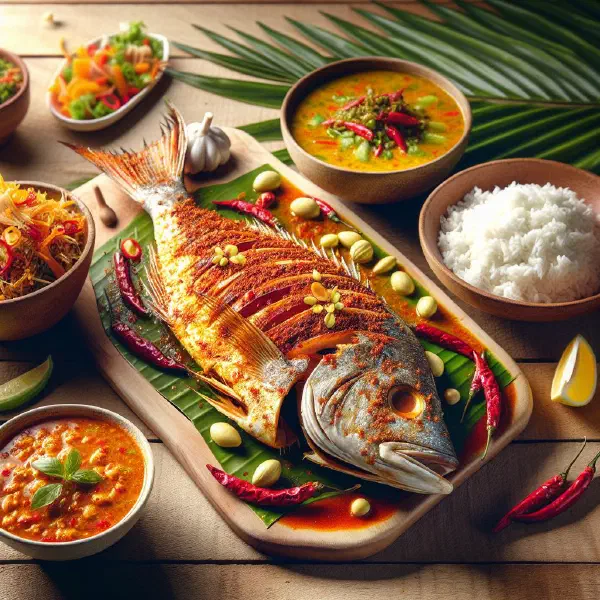
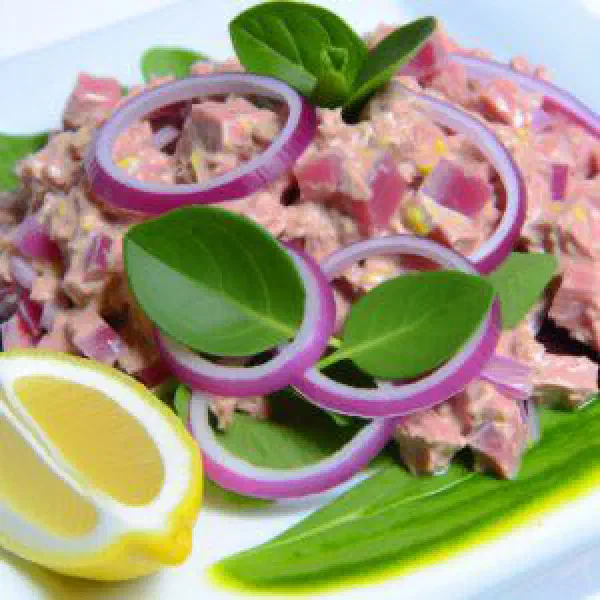
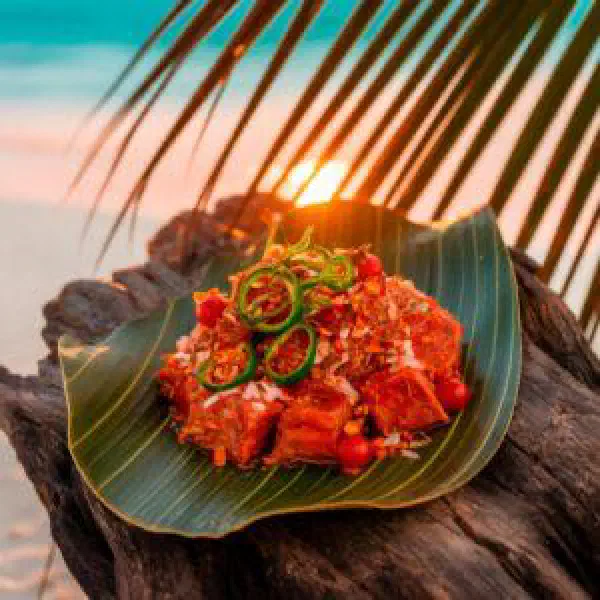
Meet Bambukeylu Hiti, a warmly spiced island dish that carries the flavour of the Maldives in every forkful. Tender pieces of fish are cooked in coconut oil with turmeric, chilli and a bright squeeze of lime, then finished with a shower of fresh coriander. It comes together in well under half an hour, which makes it as suited to a quiet weeknight supper as to a celebration table. One pan, a handful of spices and you have the taste of the atolls at home.
About Bambukeylu Hiti
Bambukeylu Hiti is a traditional Maldivian dish that captures the essence of island culture in every bite. It is built around tender fish fillets combined with a carefully chosen set of spices and fresh herbs. The preparation is simple and endlessly flexible, which makes it just as fitting for festive occasions as for everyday cooking. It also reflects the influences of Maldivian culture and history, expressed through the trade spices that give the dish its character.
Ingredients (serves 1–2)
- 200 g fresh fish (tuna works beautifully)
- 2 tablespoons coconut oil
- 1 onion, finely chopped
- 1 teaspoon turmeric
- 1 teaspoon pepper
- 1 teaspoon salt
- 1 teaspoon chilli (to taste)
- Juice of 1 lime
- Fresh coriander leaves, to garnish
Shopping for the ingredients
The main ingredients for Bambukeylu Hiti are easy to find in Asian grocery shops or at a good local market. Fresh fish is decisive for the flavour, so it is worth seeking out high-quality fish from a fishmonger you trust. Spices such as turmeric and chilli should be as fresh as possible, since ground spices lose their perfume quickly. Choosing your ingredients carefully is the simplest way to lift the finished dish.
Preparing the dish
Preparation begins with cleaning and filleting the fish thoroughly. Cut it into small, even pieces so that everything cooks through at the same rate. While you work, chop the onion and measure out the remaining ingredients so they are ready to go into the pan. Good preparation is what allows the aromas to come together in harmony rather than in a rush, the same principle that underpins a slow-simmered Mas Curry.
Step-by-step instructions
- Heat the coconut oil in a frying pan over a medium heat.
- Add the chopped onion and fry until soft and golden brown.
- Add the fish to the pan and fry for about 5 minutes.
- Stir in the turmeric, pepper, salt and chilli, mixing everything well.
- Pour the lime juice over the mixture and stir through.
- Cook for a further 2–3 minutes, until the fish is just done.
- Serve hot, garnished with fresh coriander leaves.
Gluten-free / lactose-free version
Bambukeylu Hiti is naturally gluten-free and lactose-free, since it is made almost entirely from fish, aromatics and spices. Use fresh, unprocessed ingredients to be certain the dish meets any dietary requirement. It is worth checking that ready-ground spice blends carry no wheat-based anti-caking agents. That way you can enjoy the dish without a second thought about what is in it.
Tips for vegans and vegetarians
For a vegan or vegetarian version, swap the fish for plant-based proteins such as firm tofu or chickpeas. These change the texture of the dish but deliver an equally satisfying result. Marinate the tofu or vegetables in the same spice mix so the character of the original stays intact. The light, fragrant flavours of Maldivian cooking translate very well to a meat-free plate, much as they do in a Boshi Mashuni.
More tips and tricks
The most useful technique here is frying the fish over a medium heat so it colours gently rather than catching. You can also bulk the dish out with vegetables that suit fish well, such as peppers or green beans. Season generously just before serving, when the flavours are at their most vivid. Experimenting with other local spices such as curry leaf or cardamom opens up new variations each time.
Adapting the recipe to your taste
The recipe adapts easily to personal preference. Dial the heat up or down simply by adjusting the amount of chilli. You can also swap the tuna for whatever firm-fleshed fish you prefer or whatever is in season at the counter. Small changes like these are what turn a traditional recipe into a personal favourite.
Ingredient substitutions
If fresh fish is not available, frozen fish makes a perfectly workable alternative, though the flavour will be a shade less intense. Olive oil can stand in for coconut oil, giving a milder, less tropical background note. With the spices there is plenty of room to experiment and discover combinations of your own. Substitutions of this kind make the dish more flexible and far easier to cook wherever you happen to be.
Drink pairing ideas
Refreshing drinks work best alongside Bambukeylu Hiti and help complement the flavours. A chilled coconut drink or a crisp, lightly dry white wine sets off the spices beautifully. Fruity mocktails are an excellent non-alcoholic choice and keep the table lively. Whichever you pour, something cold and clean-tasting balances the warmth of the chilli.
Serving and presentation ideas
Presentation makes a real difference to how this dish is received. Serve it on a large white plate and garnish generously with fresh coriander leaves and lime wedges. A scattering of colourful vegetables such as peppers or carrots adds contrast against the golden turmeric. Simple touches like these are more than enough to impress guests.
A bit of history
Bambukeylu Hiti has its roots in traditional Maldivian cooking, shaped above all by the geography of the islands. Fishing has been central to life here for centuries and remains so today. The spices tell a second story, one of long-standing trade links with India, Arabia and South East Asia. Together they make the dish a compact history lesson in Maldivian cuisine, built on careful, unhurried technique.
More recipe ideas
Summary: Bambukeylu Hiti
Bambukeylu Hiti is not simply a recipe but an experience, one that embodies the range and variety of Maldivian cooking. It is straightforward to prepare and takes readily to personal adjustment. It brings the taste of the Maldives directly to your table. Explore the Indian and South East Asian influences woven through it in your own kitchen.