National Dish Maldives: Banbukeyo Riha (Recipe)
In this article
Set sail for the Indian Ocean with Banbukeyo Riha, a fragrant Maldivian curry that captures island cooking at its most generous. Tender fish simmers in silky coconut milk with ginger, garlic and a warm blend of spices, finished with a bright squeeze of lime. It is straightforward enough for a weeknight yet special enough for guests, and every spoonful carries the sea air and easy hospitality of the Maldives.
About Banbukeyo Riha
Banbukeyo Riha is not simply a traditional Maldivian curry. It is a tour into the flavours of the Indian Ocean. The dish brings a harmonious combination of fresh ingredients and distinctive spices to the table. Fish, coconut milk and a carefully balanced spice blend make it a must-try for anyone who loves exotic cooking. Enjoy the variety and the cultural influences packed into every mouthful.
Ingredients (serves 1–2)
- 300 g fresh fish fillet (tuna or barramundi, for example)
- 200 ml coconut milk
- 1 onion, diced
- 2 garlic cloves, finely chopped
- 1 piece of ginger (about 2 cm), grated
- 2 teaspoons red curry paste
- 1 teaspoon turmeric
- 1 teaspoon cumin
- Salt and pepper to taste
- 1 lime, for the juice
- Fresh coriander leaves, to garnish
Shopping for the ingredients
When shopping for banbukeyo riha, freshness is everything. Visit a local fish market to get the very best catch of the day. Choose coconut milk of the highest quality, as it has a strong influence on the flavour of the finished curry. Most of the spices are easy to find in a well-stocked supermarket or in a specialist shop selling Asian ingredients.
Preparing the dish
Preparing banbukeyo riha is relatively simple, but it does reward a little attention to detail. Start by cutting the fish into evenly sized pieces so that everything cooks through at the same rate in the curry. Chop and dice the onion, garlic and ginger to release their aromas at their best. Prepare the lime as well, the fresh juice added at the end gives the dish a lively, bright finish.
Step-by-step instructions
- Heat a little oil in a large pan and sauté the onion, garlic and ginger over medium heat until golden brown.
- Add the red curry paste and the spices (turmeric and cumin) and fry briefly to release their aromas.
- Pour in the coconut milk and bring the mixture to the boil.
- Reduce the heat and add the pieces of fish. Let the curry simmer for 10–15 minutes, until the fish is cooked through.
- Season with the juice of one lime and garnish with fresh coriander leaves.
Gluten-free / lactose-free version
Banbukeyo riha is naturally gluten-free and lactose-free, since its main components are fresh fish and coconut milk. Do check, however, that the curry paste you use contains no gluten, a quick look at the ingredients list on the packet will confirm it. That makes this dish an excellent choice for anyone with intolerances, much like the clear broth of Garudhiya.
Tips for vegans and vegetarians
Although banbukeyo riha is traditionally made with fish, a vegan or vegetarian version works beautifully. Simply swap the fish for tofu, seitan or vegetables such as aubergine and courgette. The method stays exactly the same, and the spices ensure the dish keeps its full depth of flavour without any animal products. You can also vary the vegetables freely to make it healthier and more colourful still.
More tips and tricks
For the perfect banbukeyo riha, a few small tricks go a long way. Experiment with different types of fish to discover new flavour combinations. You can also add extra spices such as coriander seed or fresh chilli to give the curry more heat. Serving it on attractive tableware, or alongside a bowl of rice, lifts the whole experience considerably.
Adapting the recipe to your taste
The joy of banbukeyo riha lies in how versatile it is. Feel free to adjust the quantities and the ingredients to suit your own palate. More spice or less, a different choice of vegetables, or even swapping the coconut milk for another plant-based milk all make the recipe your own. There are no limits to the creativity here, which is exactly what makes cooking it so enjoyable.
Ingredient substitutions
If you do not have certain ingredients to hand, there are plenty of alternatives. Instead of fish you can use prawns or even chicken, in the style of a Maldivian Chicken Curry. In place of coconut milk, almond drink or soya milk will work, though the flavour of the dish will shift slightly.
Drink pairing ideas
A number of drinks go wonderfully with banbukeyo riha. A cold Maldivian beer complements the flavours of the curry perfectly, while a light, dry white wine such as Sauvignon Blanc is another excellent choice. For an alcohol-free option, consider fresh fruit juices or a refreshing sparkling water with lemon. These drinks all help to underline the exotic character of the dish.
Serving and presentation ideas
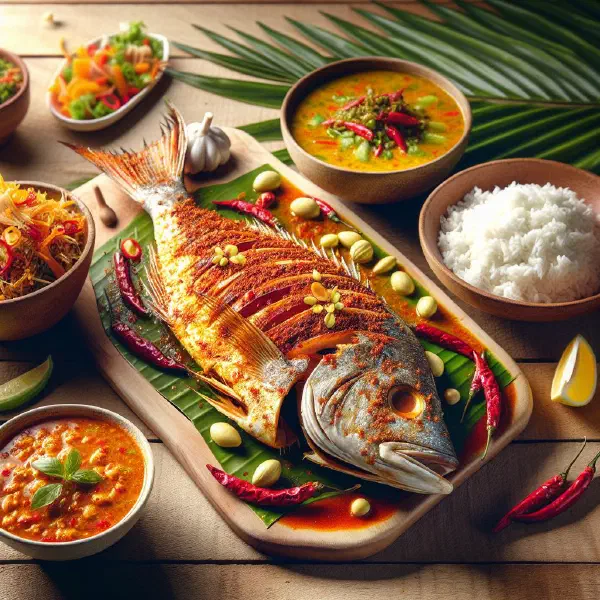
Presentation can add a great deal to the pleasure of banbukeyo riha. Serve the curry in a deep bowl and garnish it with fresh coriander leaves and wedges of lime for a splash of colour. A side of fragrant rice or flatbread can be arranged on a separate plate. A thoughtful arrangement creates a visual feast that will impress your guests.
A bit of history
Banbukeyo riha has its roots in Maldivian cuisine, which is shaped above all by the surrounding waters of the Indian Ocean. The use of indigenous ingredients and traditional cooking methods reflects the culture and way of life of the islands, just as it does in staples such as Mas Huni. Every time you cook this dish you enjoy an edible work of art, and a piece of history that embodies the rich heritage of the Maldives.
More recipe ideas
Summary: Banbukeyo Riha
Banbukeyo riha brings together the flavours of the Indian Ocean and offers a distinctive taste experience rooted deep in Maldivian cooking. The combination of fresh ingredients and well-judged spicing makes this curry a highlight of any meal. Enjoy the luxurious simplicity and the cultural influences in every forkful. Be warned: you may well fall in love with the food of the Maldives.