National Dish Maldives: Handulu Bondibai (Recipe)
In this article
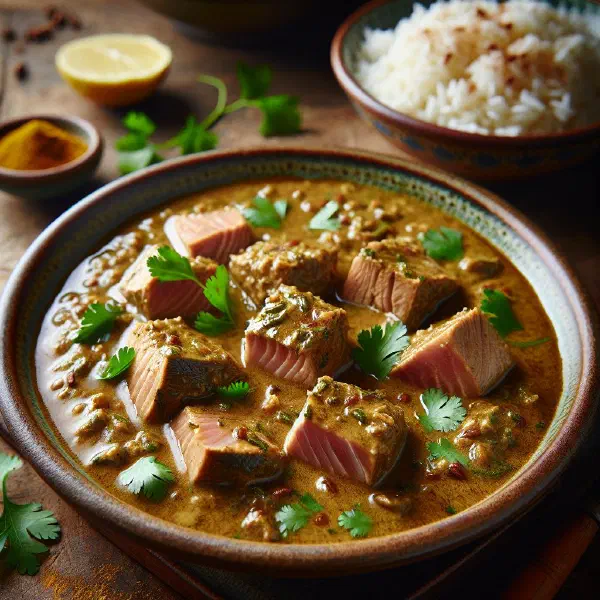
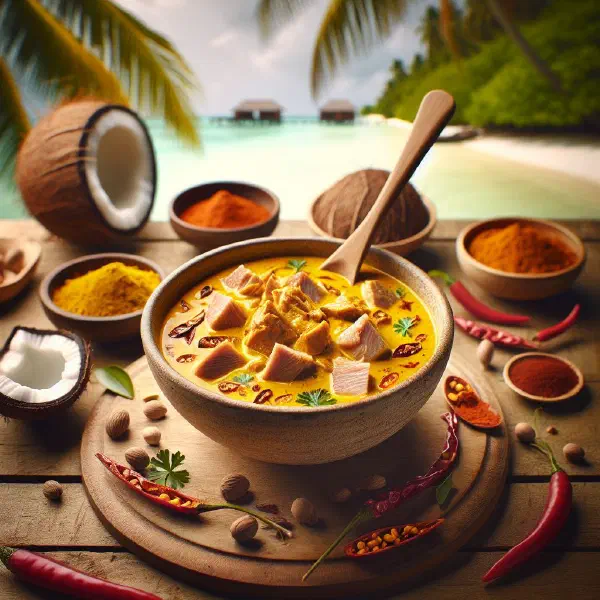
Few dishes carry the taste of the islands quite like Handulu Bondibai. Creamy coconut rice meets freshly caught fish in a pot that quietly simmers away until every grain is soft, fragrant and glossy. It is a staple loved by Maldivians and holidaymakers alike, and it needs nothing more than a handful of honest ingredients. Cook it once and the warm scent of coconut and turmeric will bring the atoll straight into your kitchen.
About Handulu Bondibai
Handulu Bondibai is an unmistakable dish from the Maldives, popular with islanders and visitors in equal measure. This traditional recipe combines dense, aromatic rice with the fresh fish that is landed in abundance across the archipelago. Coconut and a handful of warming spices give it an authentic character that speaks of white beaches and island life. If you are after a genuinely new flavour experience, this is the dish to start with.
Ingredients (serves 1–2)
- 1 cup rice
- 200 g fresh fish (tuna or mackerel, for example)
- 1/2 cup grated coconut
- 2 cups coconut milk
- 1 onion, finely chopped
- 1 teaspoon turmeric
- 1 teaspoon salt
- Fresh coriander, to garnish
Shopping for the ingredients
Before you start cooking Handulu Bondibai, it pays to track down the right ingredients. Head to a local market or fishmonger for fresh fish, because the quality of the catch decides the flavour of the finished dish. Most Asian grocers stock the necessary spices and coconut milk as well. If you can lay your hands on a fresh coconut, do. It lends an aroma that no packet can match, much like the one that carries Mas Huni.
Preparing the dish
Good preparation is the decisive step when cooking Handulu Bondibai. Begin by rinsing the rice thoroughly to wash away the excess starch. Cut the fish into small pieces, then finely chop the onion and set it aside. Grate the fresh coconut if you are using it, and have the coconut milk ready so you can moisten the rice as it cooks.
Step-by-step instructions
- Rinse the rice in a sieve under running water until the water runs clear.
- In a large pan, fry the onion in a little oil until translucent.
- Add the washed rice and let it toast briefly.
- Stir in the coconut milk, grated coconut, turmeric and salt.
- Lay the fish into the pan and bring everything to the boil.
- Reduce the heat, cover and simmer for 20–25 minutes, until the rice is tender.
- Garnish with fresh coriander just before serving.
Gluten-free / lactose-free version
Handulu Bondibai is naturally gluten-free and can easily be made without lactose, as long as you avoid any product containing gluten or dairy. Plant-based coconut milk, for instance, is lactose-free by nature. Check the labels when you shop to rule out cross-contamination. The dish loses none of its flavour or authenticity along the way.
Tips for vegans and vegetarians
For anyone eating vegan or vegetarian, adapting this recipe is straightforward. Instead of fish, use mixed vegetables chosen to suit your taste, carrots, peas and peppers make a lovely combination. Boost the plant protein with a little tofu or seitan to keep the dish hearty and satisfying, in the spirit of the vegetable-led Bambukeylu Hiti.
More tips and tricks
To make Handulu Bondibai even tastier, reach for a few extra spices. Cumin or chilli powder can be added according to preference to give the pot a distinctive edge. A squeeze of freshly pressed lime juice at the table lifts the whole thing with a welcome freshness. Experiment with the ingredients and shape the recipe around your own palate.
Adapting the recipe to your taste
This dish takes happily to individual preferences and seasonal produce. If you have a favourite variety of rice, use it in place of basmati or jasmine. The same goes for the fish. Try different local species until you find the one you like best. There are no real limits here, so do not hesitate to try new combinations.
Ingredient substitutions
If fresh coconut is nowhere to be found, good-quality coconut milk does the job perfectly well and is easy to buy. In place of fresh fish, tinned fish will save you time without spoiling the result, a shortcut that also works for a quick Mas Curry. For an even faster meal, pre-cooked rice cuts the cooking time considerably.
Drink pairing ideas
Several refreshing drinks suit Handulu Bondibai beautifully. Chilled coconut water or a Maldivian fruit juice are the classic partners and complement the dish perfectly. A light lager or an unoaked white wine will also underline the flavour of the fish. Whatever you pour, keep the aromatics of the food in mind so the pairing stays harmonious.
Serving and presentation ideas
An attractive presentation adds a great deal to the pleasure of eating Handulu Bondibai. Serve it in a traditional bowl and decorate with fresh coriander and lime wedges. Colourful sides such as a crisp salad or seasonal vegetables make the meal look as good as it tastes. Setting the rice on a banana leaf gives the table an authentically Maldivian touch that guests always remember.
A bit of history
Handulu Bondibai has a long tradition in Maldivian cooking, a cuisine shaped by the surrounding waters and by what little land there is to farm. It began as a plain, filling meal for fishermen who needed sustenance for long days at sea. Over the years the dish has evolved into a symbol of the rich culinary culture of the islands. It reflects the balance between people and nature that runs through all of Maldivian cuisine and tells the story of the islanders themselves.
More recipe ideas
Summary: Handulu Bondibai
In short, Handulu Bondibai is a delicious and thoroughly manageable dish that brings together fresh fish, coconut and gentle spices. It represents the culinary variety of the Maldives and gives locals and travellers alike a way into the culture and traditions of this beautiful country. The recipe flexes easily, so everyone can shape it to their own liking. Give it a try and enjoy a piece of Maldivian life in your own kitchen.