National Dish Maldives: Kandumahu Keun (Recipe)
In this article
Few dishes capture the character of an island nation quite like Kandumahu Keun. Fragrant rice meets the day’s catch, tender fish, sweet prawns, all lifted by turmeric, cumin and a slick of coconut oil. It is the kind of one-pan meal that tastes of sea air and sunshine, yet comes together on a weeknight in under half an hour. If you want to understand what the Maldives taste like, start here.
About Kandumahu Keun
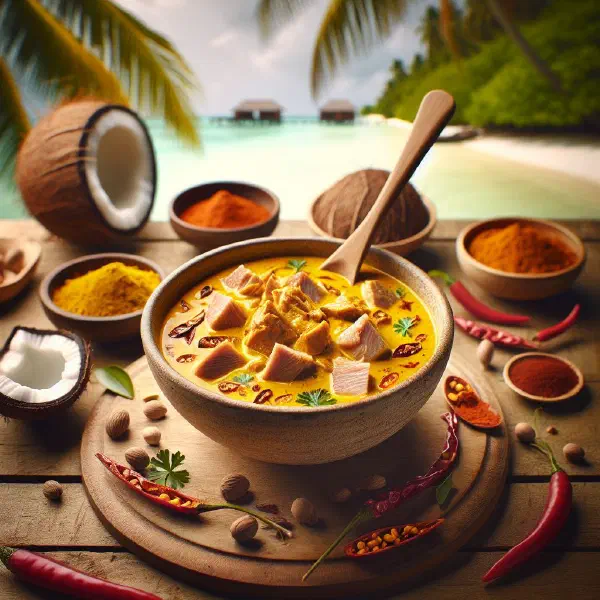
Kandumahu Keun is a traditional dish from the Maldives that brings rice together with a delicious mixture of seafood and aromatic spices. It is nourishing and mirrors the cultural richness and the natural bounty of Maldivian cooking. The combination of fresh, delicate fish, prawns and a generous handful of spices creates an unmistakable flavour experience. It is the perfect dish for anyone who wants to explore the exotic and varied cuisine of the islands.
Ingredients (serves 1–2)
- 200 g basmati rice
- 150 g fresh seafood (e.g. prawns and fish)
- 1 onion, diced
- 2 cloves of garlic, chopped
- 1 tsp turmeric
- 1 tsp cumin
- 1 green pepper, diced
- 1 tsp salt
- 2 tbsp coconut oil
- Fresh coriander leaves, to garnish
Shopping for the ingredients
For Kandumahu Keun it is important to choose fresh, high-quality seafood. Visit a local market or fishmonger to find the freshest produce available. The rice should be of good quality too, so that you achieve the texture and aroma the dish deserves. Where you can, buy organic spices and herbs. They bring the fullest flavour to the pan, just as they do in a classic Mas Curry.
Preparing the dish
Preparing Kandumahu Keun is straightforward, but it does reward a little forward planning. Begin by cooking the basmati rice according to the instructions on the packet so that it is perfectly done. While the rice simmers, clean the seafood and cut it into bite-sized pieces. Chop the onion and the pepper early on as well, so that the cooking itself moves along quickly.
Step-by-step instructions
- Heat the coconut oil in a pan and fry the onions until golden brown.
- Add the garlic and cook briefly until fragrant.
- Add the spices (turmeric and cumin) and stir until evenly combined.
- Add the seafood to the pan and cook for a few minutes until just done through.
- Stir in the pre-cooked rice and mix everything together well.
- Season with salt and leave to stand over a low heat for another 5 minutes.
- Garnish with fresh coriander leaves and serve.
Gluten-free / lactose-free version
Kandumahu Keun is naturally gluten-free and lactose-free. As long as you stick to the ingredients listed, the dish is perfectly suited to anyone with these intolerances. Do check that no hidden sources of gluten or lactose have crept into the spice blends or oils you use.
Tips for vegans and vegetarians
Kandumahu Keun is easy to adapt. Replace the seafood with tofu or vegetables to make the dish entirely plant-based. Take care to choose spices and ingredients that deliver a comparable depth of flavour, so the result never feels thin. Experiment with different vegetables to add textural variety and an appealing look on the plate, the same approach that makes a vegan Muguriha so satisfying.
More tips and tricks
When you cook Kandumahu Keun, keep a close eye on the cooking times for the seafood, as it needs to be cooked quickly to stay tender. Another important tip is to cook the rice to just the right point, avoiding a sticky consistency. For extra flavour, use vegetable stock instead of water when cooking the rice. That small change gives you a noticeably more aromatic result that will impress your guests.
Adapting the recipe to your taste
Make Kandumahu Keun your own by tailoring the recipe to your personal preferences. You can vary the spices, using more or less as you like, or add further ingredients such as peas or carrots. Different varieties of rice are also worth trying, bringing diversity in both flavour and texture. Every version becomes a slightly different experience.
Ingredient substitutions
If you cannot get hold of everything, there are plenty of alternatives to use in Kandumahu Keun. Instead of basmati rice you can use jasmine rice, which has a similar consistency. Frozen seafood is a good option too and is often of comparable quality to fresh. You can also reach for different local spices to give the dish a personal signature, much as cooks do with Kulhi Mas.
Drink pairing ideas
To round off the flavour of Kandumahu Keun, several drinks work beautifully. A cool, fresh Maldivian beer suits the dish superbly, as do fruity cocktails made with pineapple or coconut. For an alcohol-free option, freshly pressed juices are an excellent choice. That combination means both drinkers and non-drinkers are well looked after at the table.
Serving and presentation ideas
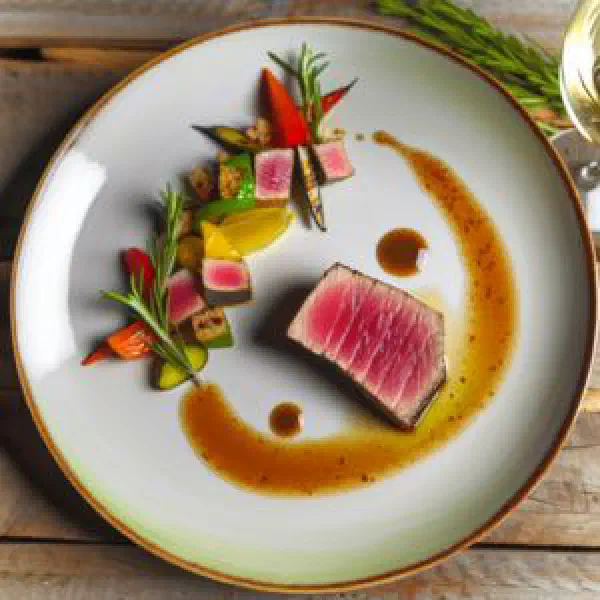
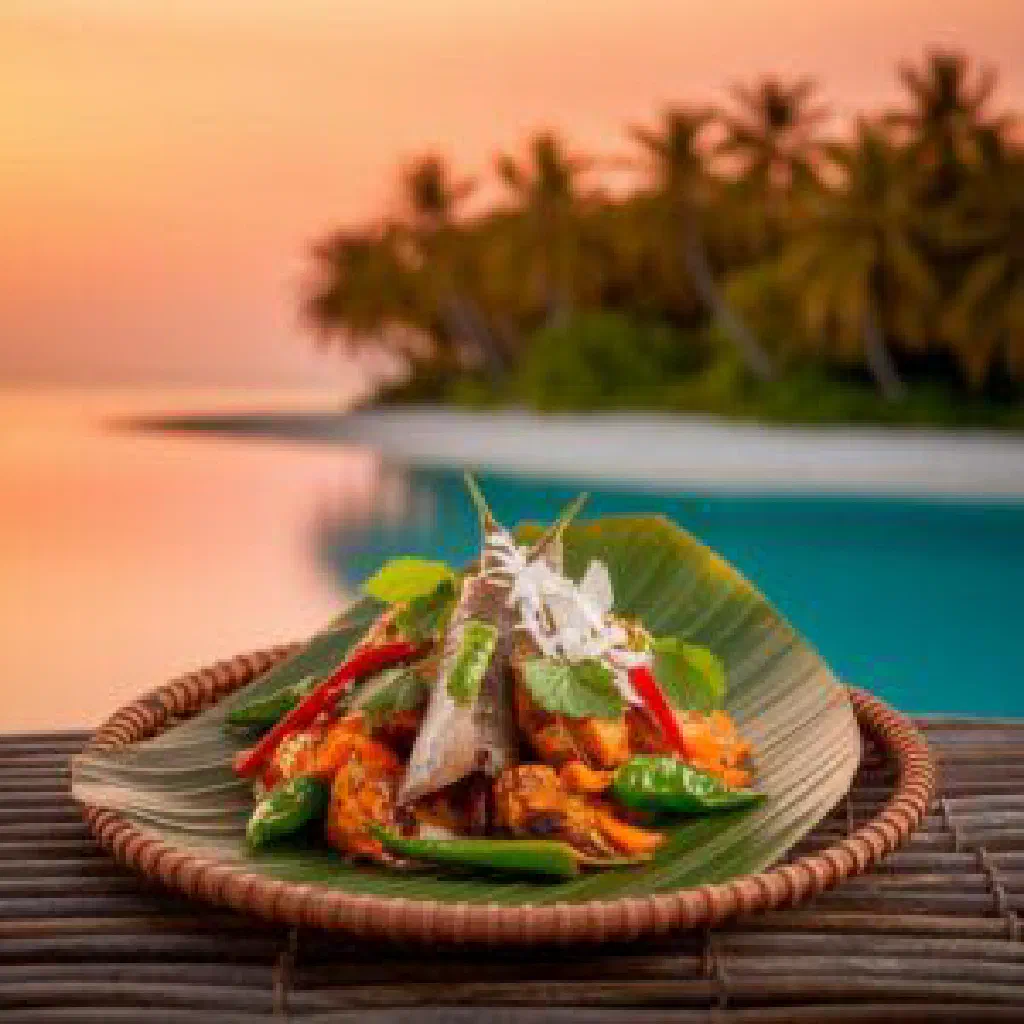
When serving Kandumahu Keun, give some thought to an attractive presentation. Use large, shallow plates so that the dish can be arranged generously. Garnish with fresh coriander leaves and a squeeze of lime or lemon juice for a refreshing lift. We eat with our eyes first, and a well-presented plate can raise the whole culinary experience another notch.
A bit of history
Kandumahu Keun has its roots in traditional Maldivian cooking, which is shaped above all by the availability of fresh seafood and the aromas of the region. Maldivian cuisine sustains a community of farmers and fishermen who work together to produce food of real quality. The dish is a symbol of the history and culture of the islands, reflected in its flavours and methods of preparation. It is not merely a meal but a tribute to the traditions of the archipelago.
More recipe ideas
Summary: Kandumahu Keun
Kandumahu Keun is a wonderfully multicultural and flavourful dish that offers a perfect window onto the tastes of the Maldives. The pairing of fresh seafood with aromatic spices makes it the highlight of any meal. This dish can be enjoyed and reworked in countless ways. Let the vivid flavours of this island cuisine cast their spell on you.