National Dish Maldives: Thuni Boakibaa (Recipe)
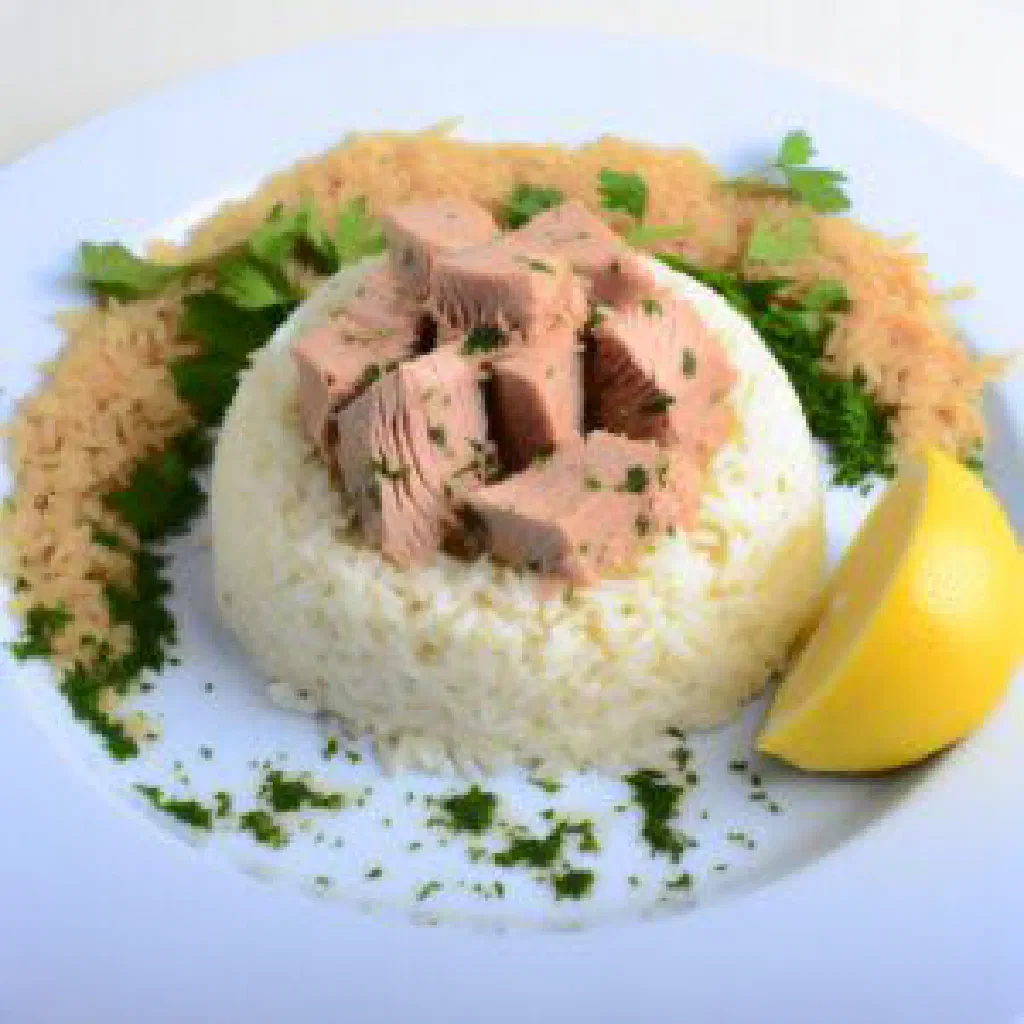
In this article
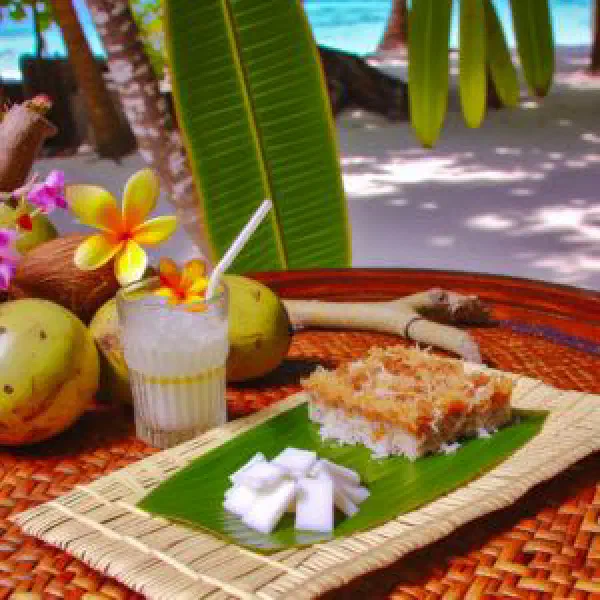
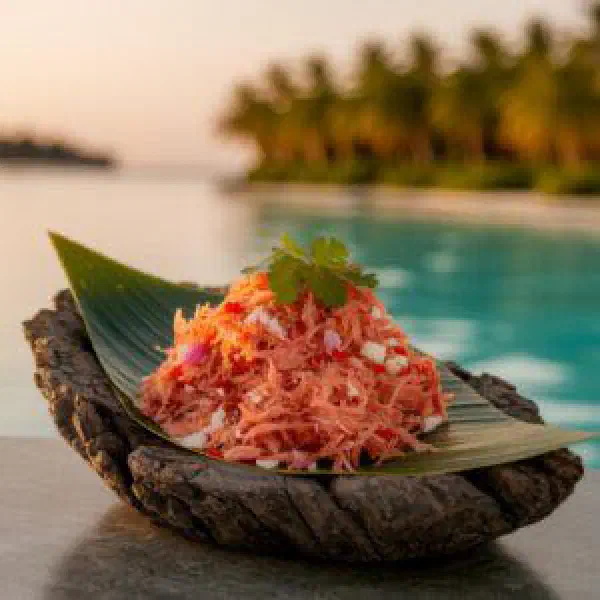
Discover Thuni Boakibaa, a savoury island snack that captures everything the Maldives does best: freshly caught tuna, fragrant spices, soft rice and generous handfuls of grated coconut. Baked or pan-set into a firm, sliceable cake, it is the kind of food handed round at family gatherings and afternoon tea alike. With a handful of store-cupboard spices you can bring the warmth of the tropical atolls straight to your own kitchen.
About Thuni Boakibaa
Thuni Boakibaa is far more than a simple snack; it is part of the cultural identity of the Maldives. The dish brings together the bounty of the ocean and the produce grown on the islands themselves. Its main component, tuna, is seasoned according to long-standing local recipes and delivers a deep, savoury intensity. Combined with rice and freshly grated coconut, it becomes a genuine culinary experience that sits comfortably alongside island staples such as Mas Huni.
Ingredients (serves 1–2)
- 200 g fresh tuna
- 100 g rice
- 50 g grated coconut
- 1 onion, finely chopped
- 2 cloves of garlic, chopped
- 1 tsp turmeric
- 1 tsp cumin
- 1 chilli, deseeded and finely chopped
- Salt and pepper to taste
- 2 tbsp oil for frying
Shopping for the ingredients
When shopping for Thuni Boakibaa, the quality of the tuna matters most. Look for fresh tuna at a good fishmonger or a market counter with quick turnover. The remaining ingredients are usually easy to find in Asian or international supermarkets. It is well worth using freshly grated coconut rather than the dried, sweetened kind, as this makes a noticeable difference to the finished flavour.
Preparing the dish
Preparing Thuni Boakibaa is straightforward, though a few preliminary steps help the aromas come through properly. Start by cutting the tuna into small pieces and marinating it with the spices. While that sits, the rice can be cooked ahead so you can judge the final consistency accurately. Getting the ratio of fish to rice to coconut right is what preserves the authentic Maldivian character of the dish.
Step-by-step instructions
- Cook the rice according to the packet instructions and set it aside.
- Heat the oil in a pan and fry the onion and garlic until softened and fragrant.
- Add the marinated tuna and cook until it is completely opaque and cooked through.
- Stir in the grated coconut and the spices and let everything simmer for a few minutes.
- Fold the cooked rice through the tuna mixture and combine thoroughly before pressing and slicing.
Gluten-free / lactose-free version
Thuni Boakibaa adapts to gluten-free and lactose-free diets without any difficulty. Every ingredient in the recipe is naturally free from gluten. For a lactose-free result, simply use plant oil in place of clarified butter. It is worth checking the origin of your spice blends too, as a few commercial mixes contain gluten-based anti-caking agents.
Tips for vegans and vegetarians
For vegans and vegetarians, Thuni Boakibaa is easily reworked by replacing the tuna with tofu or a mixture of pulses. These protein sources take the same spicing beautifully and sit well on the rice and coconut base. The coconut element can also be extended with other plant-based milk products or ground nut mixtures, much as it is in the sweeter Kanamadhu Bondibaiy. The result is every bit as tasty and nourishing.
More tips and tricks
A few small habits noticeably improve Thuni Boakibaa. Buy your spices as whole as possible and grind them fresh just before cooking. Even a short marinating time for the tuna allows the aromas to penetrate the fish properly rather than sitting on the surface. How you serve the dish counts as well, the more appealing the presentation, the more inviting it looks on the table.
Adapting the recipe to your taste
The Thuni Boakibaa recipe is very easy to tailor to personal preference. It can be pushed towards the fiery end with extra chilli or kept gentle and mild, depending on who you are cooking for. Small adjustments like these turn a traditional recipe into a household favourite.
Ingredient substitutions
If certain ingredients are hard to come by, there are plenty of workable alternatives. The tuna, for instance, can be swapped for other firm fish such as salmon or mackerel, much as the cooks behind Valhomas Curry work with whatever the boats bring in. Where fresh coconut is unavailable, coconut milk delivers the same tropical sweetness. Above all, using fresh ingredients is the key, so it pays to be creative.
Drink pairing ideas
Several drinks round out the Thuni Boakibaa experience nicely. Exotic cocktails built on coconut or pineapple harmonise perfectly with the spiced fish. Fresh fruit juices, particularly citrus-based ones, also lift and support the flavours. For wine drinkers, a light, crisp white wine complements the aromas without overwhelming the delicate tuna.
Serving and presentation ideas
Presentation gives the first impression, so it is worth being creative with Thuni Boakibaa. Use brightly coloured plates and garnish the slices with fresh herbs such as coriander or mint. Small bowls of dips or sauces alongside add visual interest and encourage everyone to share. Details like these turn a good snack into an occasion that guests genuinely remember.
A bit of history
The roots of Thuni Boakibaa run deep into Maldivian culture. The dish was historically prepared by the early inhabitants of the islands, whose lives were bound closely to the sea. Tuna was one of the primary protein sources available, and the inclusion of coconut reflects the tropical nature of the atolls. Over the years the recipe has evolved, yet it remains a fixture of Maldivian cuisine and its culinary heritage.
More recipe ideas
Summary: Thuni Boakibaa
In short, Thuni Boakibaa is another fine example of the delicious and varied cooking of the Maldives. The combination of tuna, rice and coconut makes it an unmistakable experience. Whether for a special occasion or an ordinary weekday, this dish brings the taste of the islands directly into your kitchen. Give it a try and let the flavours work their magic on you.