National Dish Maldives: Valhomas Curry (Recipe)
In this article
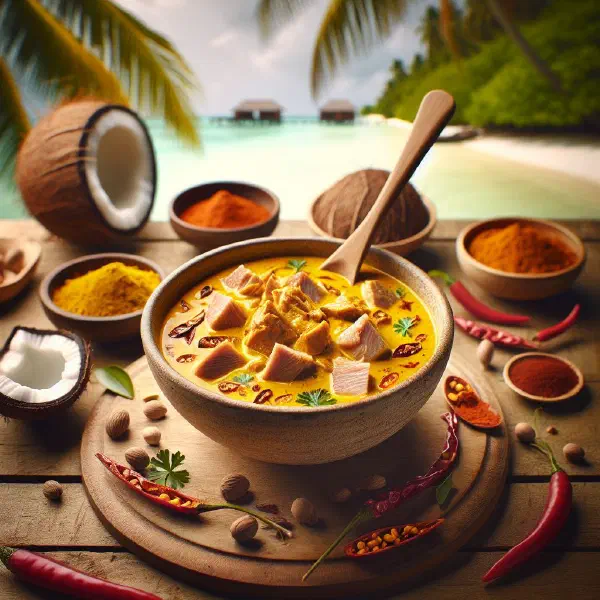
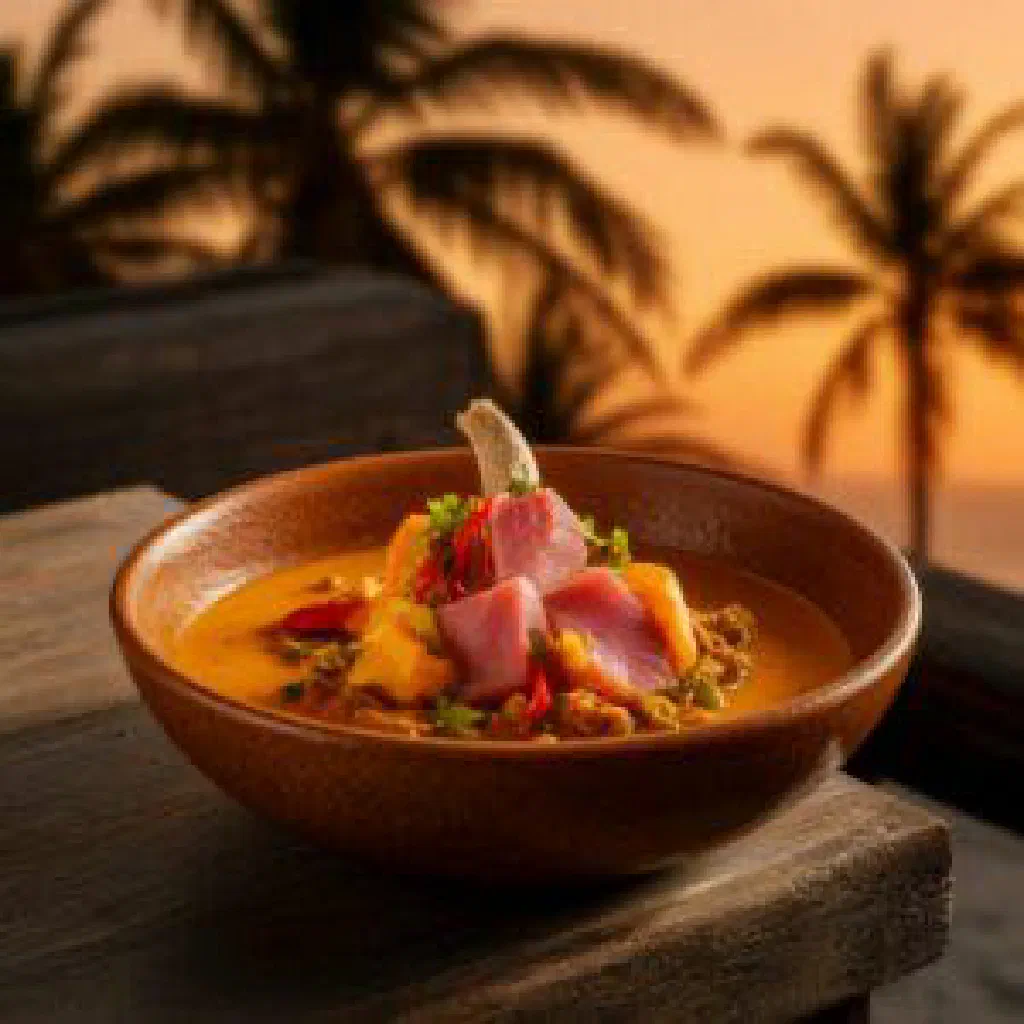
Meet Valhomas Curry, a fragrant seafood curry that carries the salt and sunshine of the Maldives straight to your table. Fresh fish and prawns simmer gently in coconut milk with turmeric, chilli and a generous hand of curry spices until everything turns silky and golden. It is the kind of dish that is meant to be shared, ladled over steaming rice while everyone reaches for seconds, an easy, deeply satisfying window onto island cooking.
About Valhomas Curry
Valhomas Curry is not simply a meal but a culinary experience that reflects the cultural richness of the Maldives. With its combination of fresh seafood and a broad palette of spices, the curry delivers plenty of flavour that appeals to islanders and visitors alike. Slow cooking gives the aromas time to open up and settle into a harmonious whole. It is most often served in company, and eating it is a direct taste of Maldivian hospitality.
Ingredients (serves 1–2)
- 300 g fresh seafood (prawns, fish or a mix)
- 2 tablespoons curry powder
- 1 onion, diced
- 2 garlic cloves, chopped
- 1 fresh chilli, deseeded and chopped (to taste)
- 400 ml coconut milk
- 1 teaspoon turmeric
- Salt and pepper to taste
- Fresh coriander, to garnish
- Fragrant rice, to serve
Shopping for the ingredients
When shopping for valhomas curry, the single most important choice is fresh seafood, since it shapes the character of the finished dish more than anything else. Look for good-quality coconut milk too, as it provides both the creaminess and the authentic island flavour. Spices such as curry powder and turmeric matter just as much: they carry the aroma and bring genuine health benefits with them. Most of what you need is available in a well-stocked supermarket or an Asian grocery, much as it is for a classic Mas Curry.
Preparing the dish
Before you start cooking valhomas curry, take a few minutes to get everything ready. Chop the onion, garlic and chilli in advance so the cooking itself moves along briskly. Rinse the seafood thoroughly and cut any fish into bite-sized pieces. Good preparation is the key to combining the aromas effectively and arriving at a dish that tastes as good as it looks.
Step-by-step instructions
- Heat a little oil in a large pan and fry the onion, garlic and chilli for 2–3 minutes.
- Add the curry powder and turmeric and toast the spices for about a minute to release their aroma.
- Tip in the fresh seafood and sear it briefly.
- Pour in the coconut milk and let the curry simmer over medium heat for 15–20 minutes.
- Season with salt and pepper and garnish with fresh coriander.
- Serve the curry warm with fragrant rice.
Gluten-free / lactose-free version
Valhomas curry is naturally gluten-free, as none of the main ingredients contain gluten. Just check that the spice blends and oils you use are certified gluten-free as well. For a lactose-free version nothing needs changing at all: the coconut milk already does the work of dairy and gives the sauce its creamy texture. That makes the dish suitable for almost every table without any loss of flavour.
Tips for vegans and vegetarians
Valhomas curry adapts happily for vegans and vegetarians if you swap the seafood for vegetables and pulses. Chickpeas, tofu, or a mix of broccoli, carrots and peppers all work beautifully, soaking up the spices and coconut sauce just as readily. Take care not to overcook the vegetables so they keep their bite and their nutrients. The same approach turns a hearty Banbukeyo Riha into a meat-free centrepiece.
More tips and tricks
A few small habits make a noticeable difference to valhomas curry. Experiment with different spices to tune the flavour to your own taste, some cooks add thyme or a bay leaf to deepen the aroma. Stir the curry regularly so it does not catch on the base of the pan and the sauce stays smooth. And resist the urge to rush: a gentle simmer always beats a hard boil.
Adapting the recipe to your taste
One of the great strengths of valhomas curry is its versatility. Like it hotter? Add more fresh chilli. Prefer something gentler? Scale the spices back. The choice of seafood is entirely open too, so you can build the curry around whatever looks best at the fishmonger’s counter.
Ingredient substitutions
If some ingredients are missing, there are plenty of workable alternatives. Frozen seafood stands in perfectly well for fresh and still tastes excellent. In place of coconut milk you can use oat or almond milk, though the flavour shifts slightly away from the island original. Dried fish works too, in the spirit of Hiki Mas. Try a few combinations and settle on the one that suits you best.
Drink pairing ideas
The right drink can lift the whole meal. Freshly pressed fruit juices and light cocktails go particularly well with valhomas curry, echoing its tropical notes. A cooling mango lassi or a pineapple smoothie underlines the exotic side of the spices. For adults, a light white wine or a cold beer balances the heat of the chilli nicely.
Serving and presentation ideas
Thoughtful presentation adds a great deal to valhomas curry. Use decorative bowls or plates and garnish with fresh coriander and lime wedges for a bright contrast. Serve alongside fragrant rice and scatter a few green leaves or edible flowers around the plate. A handsome spread pleases the eye long before the first spoonful reaches the table.
A bit of history
Valhomas curry has a history rooted deep in Maldivian culture. It reflects the maritime life of a population that has always depended on fishing and the sea’s bounty. The tradition has been passed down through generations and remains a cornerstone of Maldivian cuisine, alongside staples such as Garudhiya. The use of spices points to the long exchange with other cultures that shaped the dish and turned it into a symbol of island identity.
More recipe ideas
Summary: Valhomas Curry
In short, valhomas curry is an exotic and richly flavoured dish that brings the tastes of the Maldives within easy reach. The combination of fresh seafood, warm spices and creamy coconut milk makes it the highlight of any meal. With a few simple adjustments it suits almost every diet, from gluten-free to fully plant-based. Cook it once and you will have tasted a genuine piece of Maldivian culture.