National Dish Mali: Cassava Flour Porridge (Recipe)
In this article
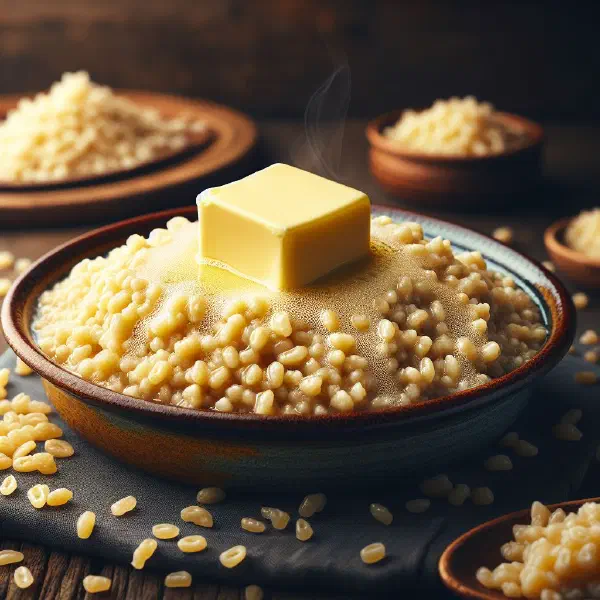
Meet Cassava Flour Porridge, the humble Malian staple known locally as farine de manioc. Just three simple ingredients, flour, water and salt, turn into a smooth, satisfying base that soaks up rich stews and sauces beautifully. It takes barely ten minutes at the stove, needs no special skill, and carries centuries of West African cooking tradition in every spoonful.
About Cassava Flour Porridge
Cassava Flour Porridge is a long-standing dish from Mali made from cassava flour. Cassava, also known as manioc, is one of the most important food crops across much of Africa, prized for its reliability and its versatility. The fact that this dish can be varied in so many ways is part of its appeal. It is most often served alongside traditional stews or vegetable sauces, which explains its enduring popularity at Malian tables.
Ingredients (serves 1–2)
- 250 g cassava flour
- 300 ml water
- 1 teaspoon salt
- A splash of oil (optional)
Shopping for the ingredients
The ingredients for cassava flour porridge are available in many supermarkets and in African grocery shops. Cassava flour is the one slightly specialist item, so it can be worth seeking out a shop that stocks West African products. When buying, check that the flour is fresh and well sealed, as this makes all the difference to the finished dish. Salt and oil are far easier to come by and should be on the shelves of any supermarket.
Preparing the dish
Preparation is refreshingly straightforward and calls for no particular cooking experience. Begin by bringing the water to the boil in a saucepan. While it heats, measure out the cassava flour and set it within easy reach. Having everything to hand before you start cooking is important here, because the mixture comes together quickly. If you would like to add extra flavour, prepare any spices or herbs at this stage too.
Step-by-step instructions
- Bring the water to the boil in a saucepan.
- Add the salt to the water and stir it through well.
- Pour the cassava flour slowly into the boiling water, stirring continuously to prevent lumps forming.
- Cook over medium heat, stirring constantly, until the mixture thickens (about 5–10 minutes).
- If you like, add a splash of oil to improve the texture and stir it through thoroughly.
- Take the pan off the heat and let the porridge cool a little before serving.
Gluten-free / lactose-free version
One of the great advantages of this dish is that it is naturally gluten-free and lactose-free. That makes it an excellent choice for anyone with intolerances or particular dietary needs. Using cassava flour instead of wheat flour means the recipe suits people with coeliac disease as well as those avoiding lactose. You can enjoy this West African staple without a second thought and simply let the flavour win you over.
Tips for vegans and vegetarians
Because the recipe relies almost entirely on plant-based ingredients, it is an excellent option for vegans and vegetarians alike. To make it more substantial, work in extra vegetables or pulses, the approach that makes Legumes Sautes such a good companion. Adding spices such as paprika or cumin deepens the flavour and lifts the dish considerably. Experiment with different sides to discover new tastes and textures.
More tips and tricks
For the best result, keep an eye on the consistency as you cook. If the mixture turns out too dry, simply add a little more water. For a particularly creamy finish, try replacing some of the water with coconut milk. Use a sturdy wooden spoon when stirring so the porridge comes out evenly smooth. And if you want to vary the texture, play with the cooking time until you find what suits you.
Adapting the recipe to your taste
A real strength of this dish is how easily it bends to personal preference. You can add extra spices or even vegetables to change and improve the flavour. If you prefer things hotter, stir in a little chilli or a spoonful of hot sauce. Pairing it with different dips and sauces, a rich Sauce Arachide, for example, is another simple way to keep things interesting.
Ingredient substitutions
If you cannot track down cassava flour, other gluten-free flours will step in nicely. Rice flour and maize flour are both good substitutes and give similar results. Bear in mind that the liquid quantities may need adjusting, since different flours behave differently. Experiment with the more glutinous flours to find the exact consistency you enjoy most, much as you would when working with Farine De Fonio.
Drink pairing ideas
Plenty of drinks complement this dish and bring out its gentle flavours. Traditional Malian choices such as attaya (a sweet mint tea) or a chilled Bissap make excellent partners. Alternatively, serve fresh fruit juices or simply sparkling water alongside. A combination of sweet and savoury notes rounds out the meal nicely from start to finish.
Serving and presentation ideas
Presentation can add a great deal to the pleasure of a meal. Serve the porridge on an attractive plate or in a shallow bowl, and garnish it with fresh herbs or colourful vegetables for a visual lift. Setting out small bowls of different sauces lets guests choose their own combinations. An inviting table setting completes the whole culinary experience.
A bit of history
The story of farine de manioc is deeply rooted in Malian culture. Cassava is among the earliest crops cultivated in Africa and has established itself over centuries as a true staple. The way flour-based dishes are prepared varies from region to region and from family to family, which reflects the depth and variety of Malian cuisine. Passing these recipes on preserves not only a cooking tradition but a piece of the country’s heritage.
More recipe ideas
Summary: Cassava Flour Porridge
In short, cassava flour porridge is a tasty and versatile Malian dish that wins people over through its simplicity and the accessibility of its ingredients. It works beautifully as a side and can be adjusted to suit almost any taste. The blend of traditional technique and modern variation makes it a genuine culinary pleasure. Dive into Malian cooking and discover this cassava classic for yourself.