National Dish Mali: Dakhin (Recipe)
In this article
Discover Dakhin, an aromatic rice dish that sits close to the heart of Malian home cooking. Gently steamed grains are folded through a fragrant base of onion, garlic and warm spices, then finished with tender meat or bright seasonal vegetables. It is generous, forgiving food, the kind of dish that is made for sharing with a table full of friends. Bring the flavours of West Africa into your own kitchen with very little fuss.
About Dakhin
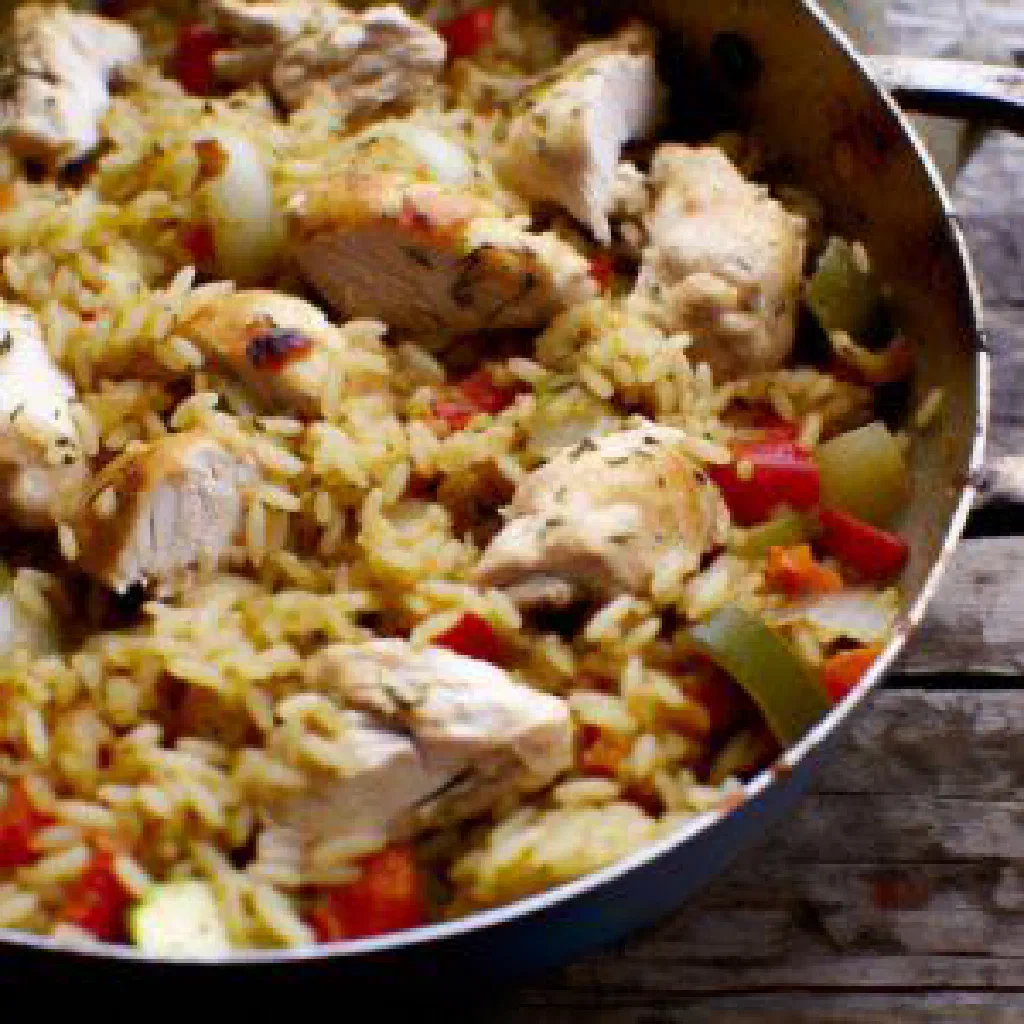
Dakhin is a traditional dish from Mali that has won over food lovers far beyond its borders. At its centre is steamed rice, enriched with a wide range of aromas and spices that soak deep into the grains. It is often served with succulent meat or fresh vegetables, which makes it a popular choice for sociable occasions. The dish gathers the variety of Malian cooking onto a single plate and wins people over with its hearty, savoury flavour.
Ingredients (serves 1–2)
- 200 g steamed rice
- 150 g chicken or vegetables
- 1 onion, chopped
- 2 garlic cloves, crushed
- 1 pepper, diced
- 1 teaspoon cumin
- 1 teaspoon paprika
- Salt and pepper to taste
- 2 tablespoons vegetable oil
- Fresh herbs, to garnish
Shopping for the ingredients
When making dakhin, it pays to buy every ingredient fresh and of good quality. Many of them are easy to find in African or Asian grocery shops, especially the spices such as cumin. Look out for long-grain rice, which is ideal for steaming and keeps its shape as it takes on the seasoning. Choose fresh meat and vegetables too, as they carry most of the flavour in a dish this simple, the same principle that makes a good Riz Gras work.
Preparing the dish
Before you start cooking dakhin, it is worth getting everything ready. Cut the vegetables and the meat into evenly sized pieces so they cook through at the same rate. Chop the onion and garlic finely so their aromas have the best chance to develop. Measure out your spices in advance as well, so the cooking runs smoothly and you can concentrate on what matters.
Step-by-step instructions
- Heat the vegetable oil in a large pan and add the chopped onion and crushed garlic.
- Fry the onion and garlic until golden brown.
- Add the diced meat or vegetables and fry for around 5–7 minutes.
- Stir in the spices — cumin and paprika — along with the salt and pepper.
- Finally add the steamed rice and mix everything thoroughly so the grains absorb the flavours.
Gluten-free / lactose-free version
Dakhin adapts easily to particular diets. To keep the dish gluten-free, check that everything you use, especially spice blends and oils, is free from gluten. For a lactose-free version, simply leave out any cream or butter and cook with vegetable oil instead. The dish stays every bit as rich and satisfying without breaking those dietary rules.
Tips for vegans and vegetarians
For a vegan or vegetarian take on dakhin, swap the meat for plenty of vegetables or for tofu. Use a good mix of varieties to add both flavour and texture to the finished plate. Vegetable stock in place of water is another easy way to give the rice an extra dimension of taste. Handled this way, dakhin becomes a genuinely delicious option for vegetarians and vegans alike.
More tips and tricks
To get the very best from your dakhin, let it rest for a few minutes before serving so the spices can settle and work their way into the rice. It is also worth experimenting with different herbs to find new flavour notes. Fresh coriander or parsley makes an excellent garnish and gives the dish a welcome lift of freshness right at the end.
Adapting the recipe to your taste
One of the nicest things about dakhin is how flexible it is. You can adjust the ingredients freely, depending on what you fancy or simply on what is in the cupboard. Sausage or seafood both work well if you would rather go in that direction, the latter echoing a grilled favourite like Poisson Braise. Do not be shy about playing with different spices either; you may well land on a combination of your own that makes the dish something special.
Ingredient substitutions
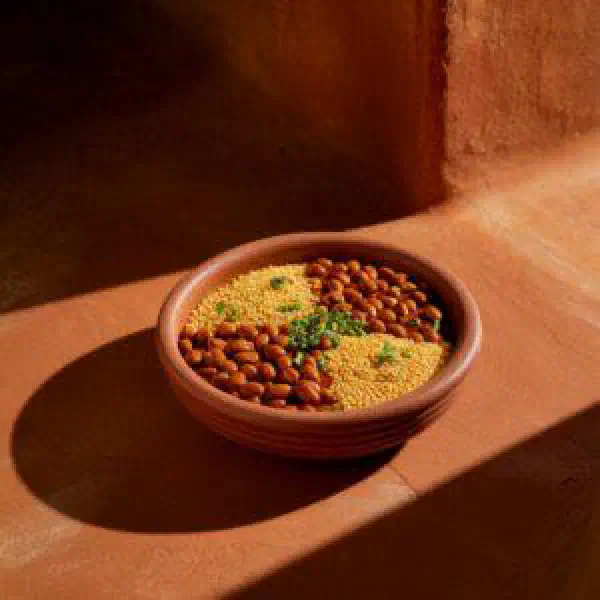
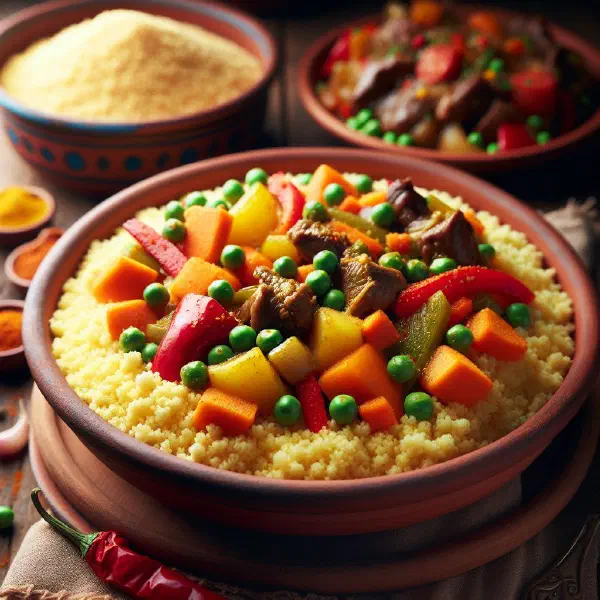
If some of the ingredients prove hard to track down, there are plenty of alternatives. The rice can be replaced with quinoa or millet, for instance, giving you a different texture and nutritional profile, millet being a staple that also underpins Couscous De Mil. With the spices you can be just as creative, perhaps reaching for local blends that add a character all their own. Dakhin stays an adaptable, interesting dish even when the usual ingredients are out of reach.
Drink pairing ideas
A number of drinks suit dakhin, depending on your taste and the occasion. For an authentically Malian experience, try a local beer or a tropical cocktail that plays up the flavours of West Africa. Alcohol-free options work beautifully too: fruit juices such as Jus De Gingembre or a cooling mint tea both go down well.
Serving and presentation ideas
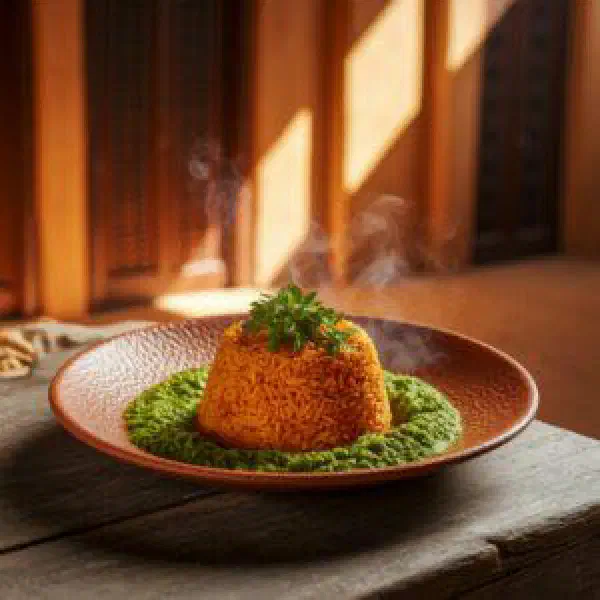
Presentation matters when you bring dakhin to the table. Serve it in a large, celebratory bowl decorated with fresh herbs and perhaps a scattering of toasted nuts. Handsome plates, or even stuffed peppers used as edible vessels, add further visual interest. A little care with the arrangement turns the dish into a highlight for the eyes as well as the palate.
A bit of history
Dakhin has its roots in traditional Malian cooking, shaped strongly by the cultures that met along the trade routes of West Africa. Rice plays a central role in Malian food culture and is a staple that appears in countless dishes. Over the centuries dakhin has established itself as a favourite, served at festivals and on ordinary weekdays alike. It is a fine example of how food connects different cultures and encourages exchange, and of what makes Malian cuisine so rewarding.
More recipe ideas
Summary: Dakhin
In short, dakhin is a varied and flavourful dish that captures the essence of Malian cooking. Its adaptability means it can be made to suit almost any preference, whether through the choice of ingredients or the way it is cooked. It offers an excellent introduction to the flavours of West Africa for anyone curious to explore them. Give this delicious dish a try and let its aromas work their magic.