National Dish Mali: Maafe (Recipe)
In this article
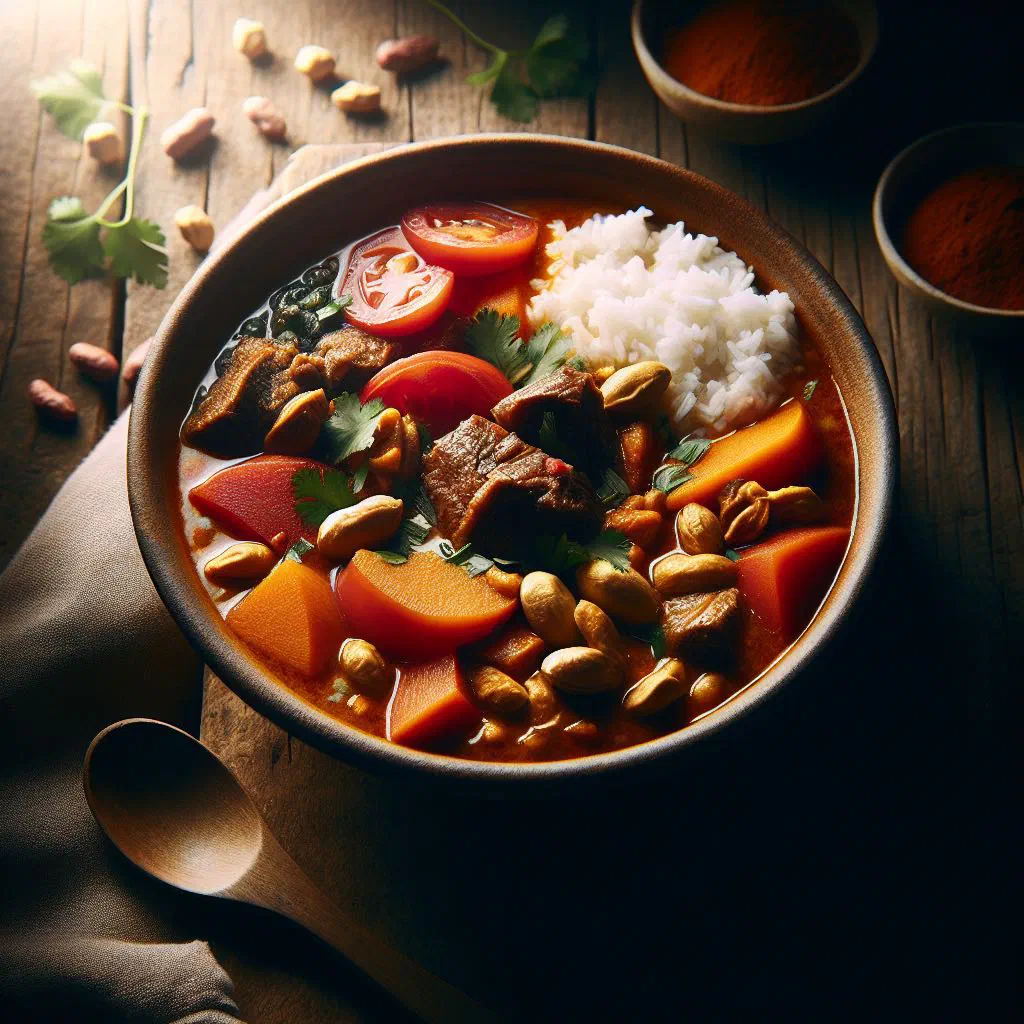
Maafe is groundnut stew and it spread across West Africa from the Mandinka heartland of Mali. Peanut butter thickens a tomato base with meat and root vegetables in it. It is served over rice and it is one of the region’s most widely eaten dishes.
About Maafe
Maafe, sometimes written mafé or tigadegena, is Mali’s national dish and belongs equally to Senegal, Guinea and the Gambia. The Bambara name, tigadegena, means groundnut sauce.
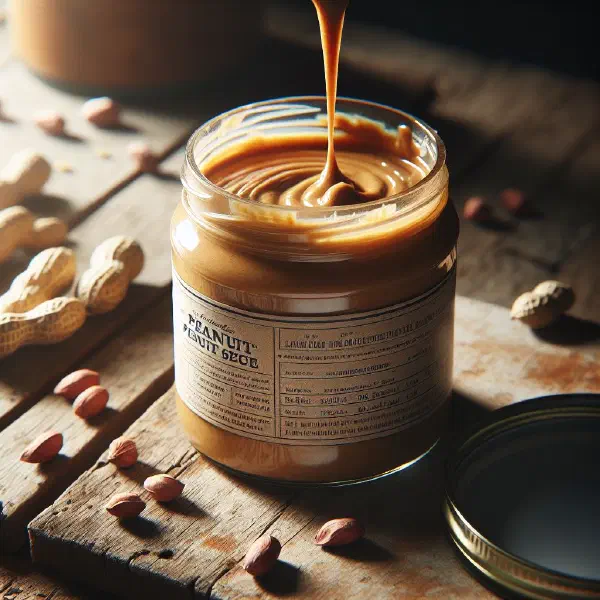
The peanut butter must be unsweetened. That is the whole difference between a good maafe and a cloying one.
Ingredients (serves 1–2)
- 300g chicken breast (or beef)
- 100g peanut butter
- 1 onion, diced
- 2 carrots, sliced
- 1 pepper, diced
- 2 tomatoes, chopped
- 1 clove of garlic, chopped
- Salt and pepper to taste
- 400ml vegetable or chicken stock
- 1 tablespoon oil, for frying
Shopping for the ingredients
Unsweetened peanut butter, or grind roasted peanuts yourself. Groundnut paste from an African grocer is better than supermarket peanut butter and less sweet. Beef or lamb on the bone gives more flavour than chicken breast.
Preparing the dish
Slacken the peanut butter with warm stock before it goes in the pot, or it seizes. Cut the vegetables large, since they cook for half an hour. Cook the tomato base down properly before the liquid goes in.
Step-by-step instructions
- Heat the oil in a large pot and fry the diced onion and garlic until golden brown.
- Add the meat and brown it over medium heat until it has colour on all sides.
- Stir in the vegetables (carrots, pepper, tomatoes) and cook on for a few minutes.
- Slacken the peanut butter with a little warm stock, then add it with the rest of the stock and mix thoroughly.
- Bring the stew to the boil, then lower the heat and simmer for around 30 minutes until the meat is tender.
Gluten-free / lactose-free version
Maafe contains no gluten and no dairy. Check the peanut butter and the stock cube, both of which occasionally carry wheat.
Tips for vegans and vegetarians
Sweet potato, pumpkin, aubergine and cabbage in the same peanut base make a genuine Malian dish rather than a substitution, and it is eaten that way frequently. Peanut and rice together are a complete protein.
More tips and tricks
Slacken the peanut butter first and do not let the pot boil hard afterwards, or the oil separates and the sauce splits. Add a squeeze of lemon or a spoonful of tamarind at the end, which is what stops it tasting flat. And use less peanut butter than you think: it should thicken, not dominate.
Adapting the recipe to your taste
A whole scotch bonnet dropped in and removed gives aroma without heat. Cassava, okra and cabbage all belong. More tomato makes a lighter sauce.
Ingredient substitutions
Lamb, beef and chicken all work. Butternut squash replaces sweet potato. Tô, the millet porridge, can replace rice as the base.
Drink pairing ideas
Bissap, the hibiscus drink, is the standard. Ginger juice works the same way. Attaya, the three-round green tea, follows the meal at length.
Serving and presentation ideas
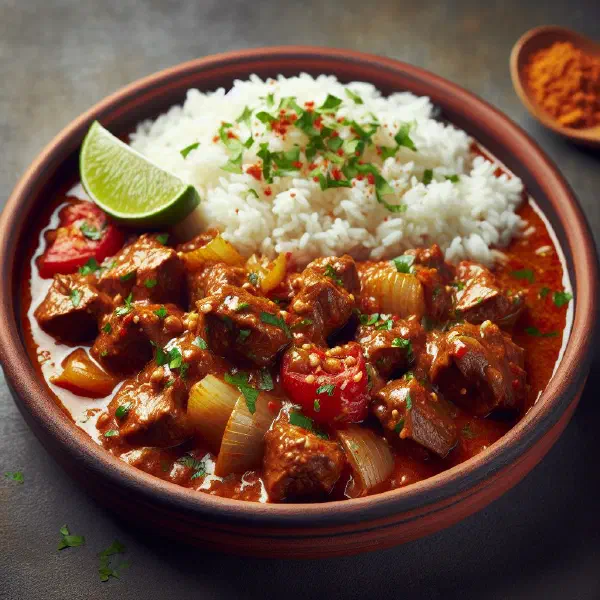
Serve it over white rice in a wide bowl, with the stew spooned into a well in the middle. In many households everyone eats from one large bowl with the right hand. Chilli on the side.
A bit of history
Groundnuts came from South America and became the cash crop of the Sahel under colonial administration. Maafe turns that crop into the region’s most recognisable dish and travels with the Malian diaspora. It anchors Malian cuisine alongside tieboudienne.
More recipe ideas
Summary: Maafe
Maafe is meat and vegetables stewed in a tomato and groundnut sauce, served over rice. Use unsweetened peanut butter, slacken it first, and finish with lemon or tamarind.