National Dish Mali: Mafé (Recipe)
In this article
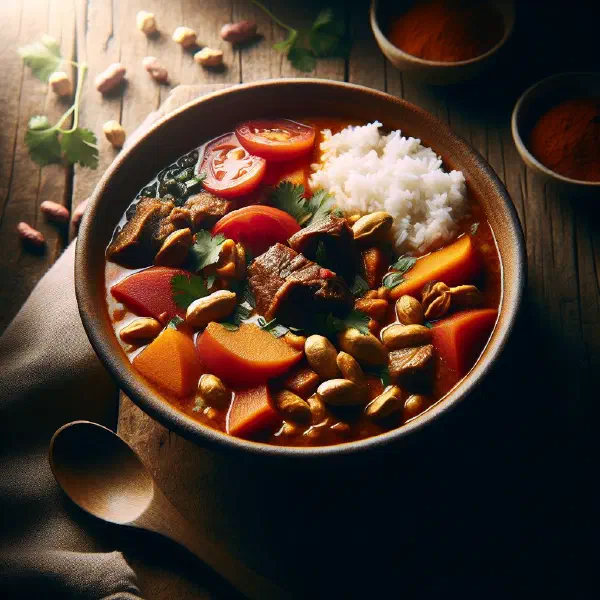
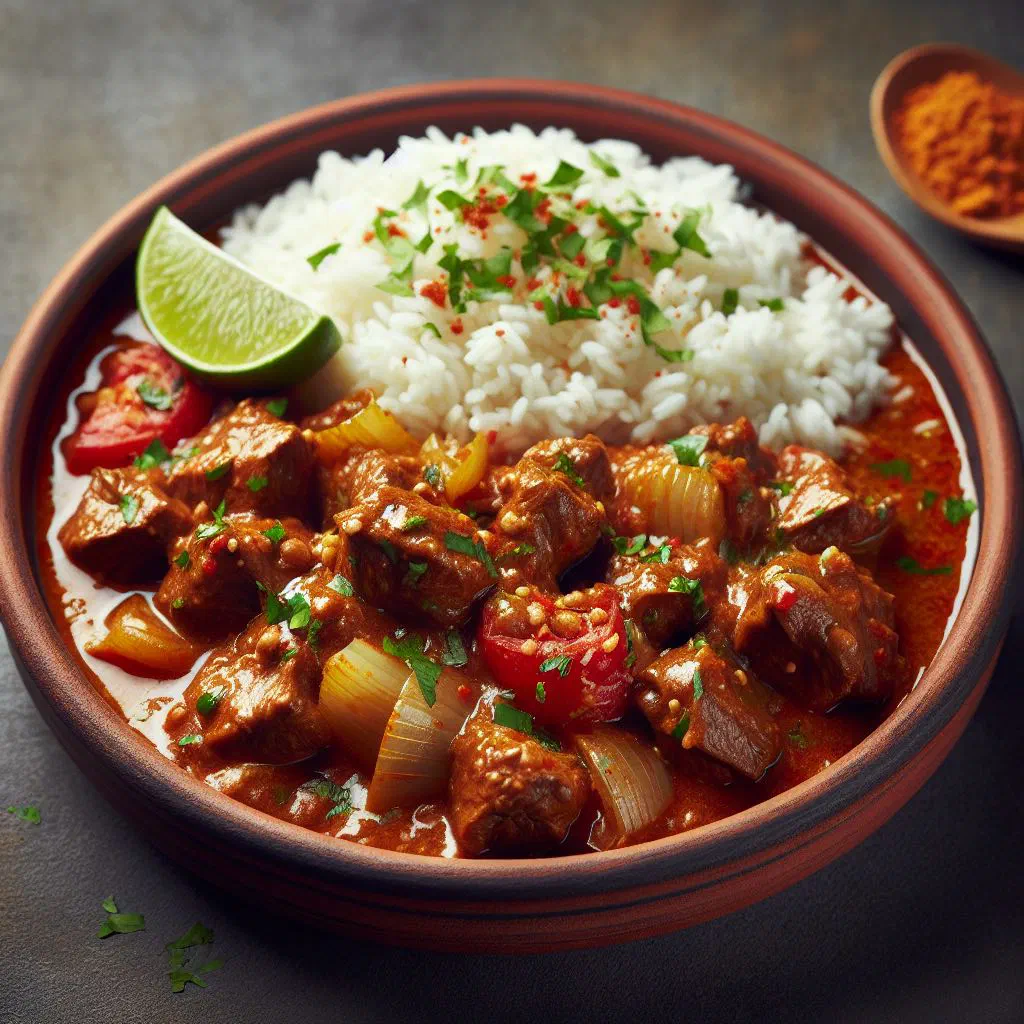
Meet Mafé, the rich groundnut stew that sits at the very heart of Malian home cooking. Tender meat or vegetables simmer slowly in a velvety peanut sauce until everything turns glossy and deeply savoury, and a bed of rice soaks up every last spoonful. It is generous, forgiving food, the kind of pot you set on the hob for a family lunch or bring out when guests are coming and you want something that tastes of somewhere.
About Mafé
Mafé is a traditional dish from Mali that wins people over with its hearty peanut sauce and meltingly tender meat or vegetables. This much-loved meal has a long history in West African cooking and is most often served with rice or another grain. The interplay of aromatics and spices turns every bowl into a small celebration, food that not only fills you up but genuinely appeals to. Whether it is a family dinner or a special occasion, mafé is an authentic taste of Malian cuisine.
Ingredients (serves 1–2)
- 200 g meat (beef, chicken, or tofu for a vegetarian version)
- 2 tablespoons peanut butter
- 1 onion, diced
- 2 tomatoes, diced
- 1 carrot, sliced
- 1 garlic clove, chopped
- 1–2 cups vegetable stock
- 1 teaspoon cumin
- 1 teaspoon paprika
- Salt and pepper to taste
Shopping for the ingredients
With mafé it really pays to pay attention to the quality of what goes in the pot. Fresh meat or fresh vegetables make for a noticeably better result. Many of the ingredients, peanut butter and the spices in particular, are easy to find in African grocery shops or online. It can also be worth buying a little extra so you can adjust the dish to taste or simply cook a larger batch, much as you would for a big pot of Riz Gras.
Preparing the dish
Getting ready to cook mafé is refreshingly straightforward. Start by laying out everything you need: the meat, the vegetables and the spices. It is a good idea to wash and cut the vegetables in advance so the cooking itself runs smoothly. If you are using tofu, remember to press it beforehand to remove any excess liquid.
Step-by-step instructions
- Heat a little oil in a large pan and brown the diced meat on all sides.
- Add the diced onion and the garlic and continue frying until the onion turns translucent.
- Stir in the diced tomatoes and the sliced carrot and mix well.
- Add the peanut butter and the spices (cumin and paprika) and combine thoroughly.
- Pour in the vegetable stock, bring to the boil, then lower the heat and leave to simmer for a further 20–30 minutes.
- Season with salt and pepper and serve.
Gluten-free / lactose-free version
Mafé adapts easily to particular dietary needs. The dish is naturally gluten-free, as none of the ingredients contain gluten. To keep it free of lactose, use plant milk or a lactose-free peanut butter. That way everyone can enjoy the flavours of mafé without having to worry about intolerances.
Tips for vegans and vegetarians
For vegans and vegetarians there is a lovely way to rework the traditional mafé recipe. Swap the meat for protein-rich alternatives such as tofu, chickpeas or lentils. These give you both an excellent texture and plenty of flavour. Just check that the remaining ingredients, the peanut butter and the stock especially, are entirely plant-based so the dish stays fully vegan.
More tips and tricks
A few extra touches will make your mafé even better. Experiment with spices such as coriander or chilli to give it your own signature. For a creamier sauce, add more peanut butter and perhaps stir in a little coconut milk. Timing matters too: a long, gentle simmer is what allows all the aromas to come properly into their own.
Adapting the recipe to your taste
Mafé is a highly versatile dish and easy to tailor to personal preference. Add extra vegetables such as spinach or peppers to boost its nutritional value, the same trick that works beautifully in Legumes Sautes. The heat can be dialled up or down simply by adjusting the quantity of spices. That makes it easy to offer something for every palate and give the dish a personal stamp.
Ingredient substitutions
If for any reason you cannot lay your hands on a particular ingredient for mafé, there are plenty of alternatives. Instead of peanut butter you can use almond butter or another nut butter with a similar character. For meat alternatives, jackfruit or seitan are both great options, offering excellent texture and taste. A little creativity in the kitchen can lead to exciting new takes on the classic recipe.
Drink pairing ideas
The right drink can lift the experience of eating mafé considerably. A cold beer or a fruity white wine sits beautifully alongside the earthy notes of the sauce. For alcohol-free options, freshly pressed juices or exotic lemonades finished with mint or ginger work wonderfully, a chilled glass of Bissap is the classic Malian choice. The right drink refreshes and rounds out the flavour combinations of mafé at the same time.
Serving and presentation ideas
Presentation plays a real part in serving mafé well. Use a large bowl so you can dish it up generously, and garnish with fresh herbs such as coriander or parsley. A swirl of extra groundnut sauce or a scattering of roasted peanuts adds both flavour and texture. Colourful plates that pick up the warm tones of the stew help the dish look as good as it tastes.
A bit of history
Mafé has deep roots in West African culinary tradition and reflects the cultural variety of the region. The peanut sauce originates with the Mandinka and spread from there to other communities. It is thought that mafé took its present form only in the 20th century, once rice had been brought to the region by Asian traders. Today it is hugely popular not only in Mali but across many neighbouring countries as well.
More recipe ideas
Summary: Mafé
In short, mafé is a delicious and adaptable dish that brings the flavours of West Africa straight into your kitchen. With tofu or with a generous mix of vegetables, the possibilities are endless. Its hearty peanut sauce is a genuine pleasure, easy to prepare and reliably popular with everyone at the table. Let this Malian classic tempt you into a few new culinary adventures.