National Dish Mali: Salade de Niébé (Recipe)
In this article
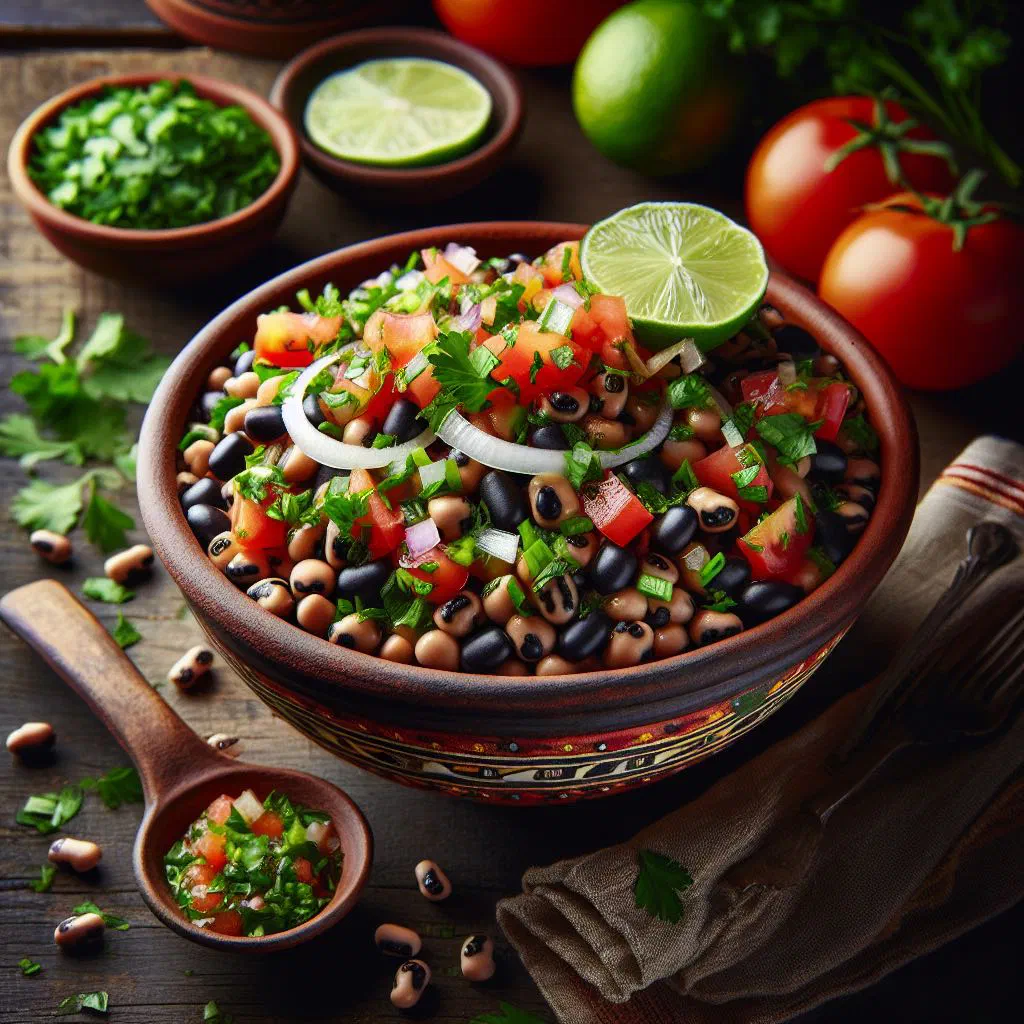
Discover Salade de Niébé, the bright, protein-packed bean salad that sits at the heart of Malian home cooking. Tender black-eyed peas are tossed with crisp raw vegetables, a sharp squeeze of lemon and a slick of good olive oil, then left to rest so the flavours mingle. It comes together in minutes, keeps beautifully in the fridge, and works just as happily as a light lunch as it does alongside something grilled.
About Salade de Niébé
Salade de Niébé is a traditional dish from Mali, valued above all for how hearty and nourishing it is. The star of the show is the niébé bean, the black-eyed pea, which is rich in protein and fibre and makes the salad an excellent choice for a balanced diet. This bean salad is typically combined with fresh vegetables, spices and oils that give it its distinctive, moreish character. The recipe is simple to prepare, works equally well as a side dish or a main course, and brings the authentic flavours of West Africa to the table.
Ingredients (serves 1–2)
- 200 g niébé beans (black-eyed peas, or other small beans)
- 1 small onion, finely chopped
- 1 tomato, diced
- 1 small pepper, diced
- 2 tablespoons olive oil
- 2 tablespoons lemon juice
- Salt and pepper to taste
- Fresh parsley or coriander, to garnish
Shopping for the ingredients
When shopping for salade de niébé, pay close attention to the freshness and quality of your produce. The beans can be bought tinned or dried; if you go for dried, they will need soaking and cooking before you start. Choose vegetables that are seasonal and locally grown wherever possible, as these deliver both the best flavour and the highest nutritional value. Do not skip the fresh herbs, parsley or coriander give the dish its final polish and lift the whole thing.
Preparing the dish
Preparation is refreshingly straightforward and takes very little time. Begin by cooking the niébé beans if you are using dried ones. While they simmer away, get on with chopping the vegetables and onion into small, even pieces. Test the beans regularly as they cook so they end up soft but never mushy. That texture matters. Good preparation is the key to letting the flavours knit together and showing the salad off at its best.
Step-by-step instructions
- If using dried niébé beans, soak them overnight, then simmer in fresh water until tender.
- Drain the cooked beans and leave them to cool.
- In a bowl, combine the beans, onion, tomato and pepper.
- Add the olive oil, lemon juice, salt and pepper, and mix everything together thoroughly.
- Garnish with fresh herbs and let the salad rest for about 15 minutes before serving.
Gluten-free / lactose-free version
Salade de niébé is naturally gluten-free and lactose-free, since it is built almost entirely from beans and fresh vegetables. That makes it an ideal choice for anyone with food intolerances or particular dietary requirements. Do check your ingredients carefully all the same, especially spice blends and oils, to rule out hidden gluten or dairy. With that small precaution, everyone at the table can tuck in without a second thought.
Tips for vegans and vegetarians
This is a superb dish for vegans and vegetarians, being rich in plant protein and vitamins. You can adapt it freely by folding in extra vegetables or pulses to boost the nutritional content. Avocado or toasted nuts add a creamy, satisfying note, while a change of spices shifts the flavour in a new direction entirely. Its versatility means it never gets dull, much like the peanut-rich Mafe that anchors so many Malian meals.
More tips and tricks
A few simple tricks will make salade de niébé even better. Experiment with different spices or oils in the dressing to tune the flavour to your liking. A little garlic or a good grind of pepper adds welcome depth. Let the salad sit in the fridge for a while before serving so the flavours have time to develop properly. And do not underestimate a handsome serving bowl, the right dish genuinely improves the experience.
Adapting the recipe to your taste
The real joy of salade de niébé is how easily it bends to personal preference. Swap in different vegetables or herbs depending on what you have to hand, and vary the type of bean according to availability or taste. For a spicier version, add chilli or jalapeños. Serve it alongside a plate of Légumes Sautés and you have a generous vegetable spread. Let your creativity run and build exactly the dish your palate is after.
Ingredient substitutions
If you cannot lay hands on every ingredient, there are plenty of alternatives. Should niébé beans prove hard to find, kidney beans or black beans offer a similar nutritional profile and work perfectly well. In summer, seasonal vegetables such as cucumber or carrot bring extra freshness. Be adventurous and play with combinations until you land on your ideal balance of flavour and texture.
Drink pairing ideas
Several drinks complement salade de niébé nicely. A fruity lemonade or a chilled iced tea makes a refreshing partner and cleanses the palate between mouthfuls; the deep red hibiscus drink Bissap is the classic Malian choice. Local fruit wines or a light beer can be an interesting addition too. For something simpler and healthier, plain water with a squeeze of lemon does the job admirably.
Serving and presentation ideas
How you present the salad contributes a great deal to how it is received. Serve it in an attractive bowl and garnish generously with fresh herbs. Scattering a few special touches over the top, pomegranate seeds or toasted nuts, gives the dish a striking look. Keep an eye on the colours of your ingredients as you assemble it, aiming for a plate that is as visually appealing as it is tasty.
A bit of history
Salade de niébé is not merely a recipe; it carries a rich cultural history. In Mali, pulses are a staple food, and the way they are prepared shifts from region to region according to what grows locally. The generous use of fresh vegetables and spices reflects the breadth of Malian cuisine, which stretches from hearty stews to the millet couscous known as Couscous de Mil. The salad is often served at festivals and celebrations, making it a genuine symbol of hospitality and community.
More recipe ideas
Summary: Salade de Niébé
Salade de niébé is a tasty and nourishing dish that unites good health with real pleasure at the table. With its simple ingredients and quick preparation, it suits any occasion, whether you serve it as a main course or a side dish. Give it a try and experience the flavours of Malian cooking at first hand. It is a treat for the palate and, just as importantly, a small tour through the aromas and traditions of West Africa.