National Dish Malta: Figolla (Recipe)
In this article
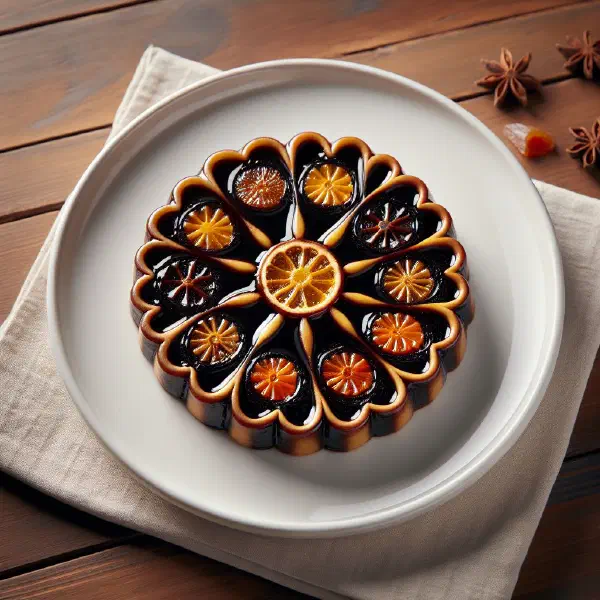
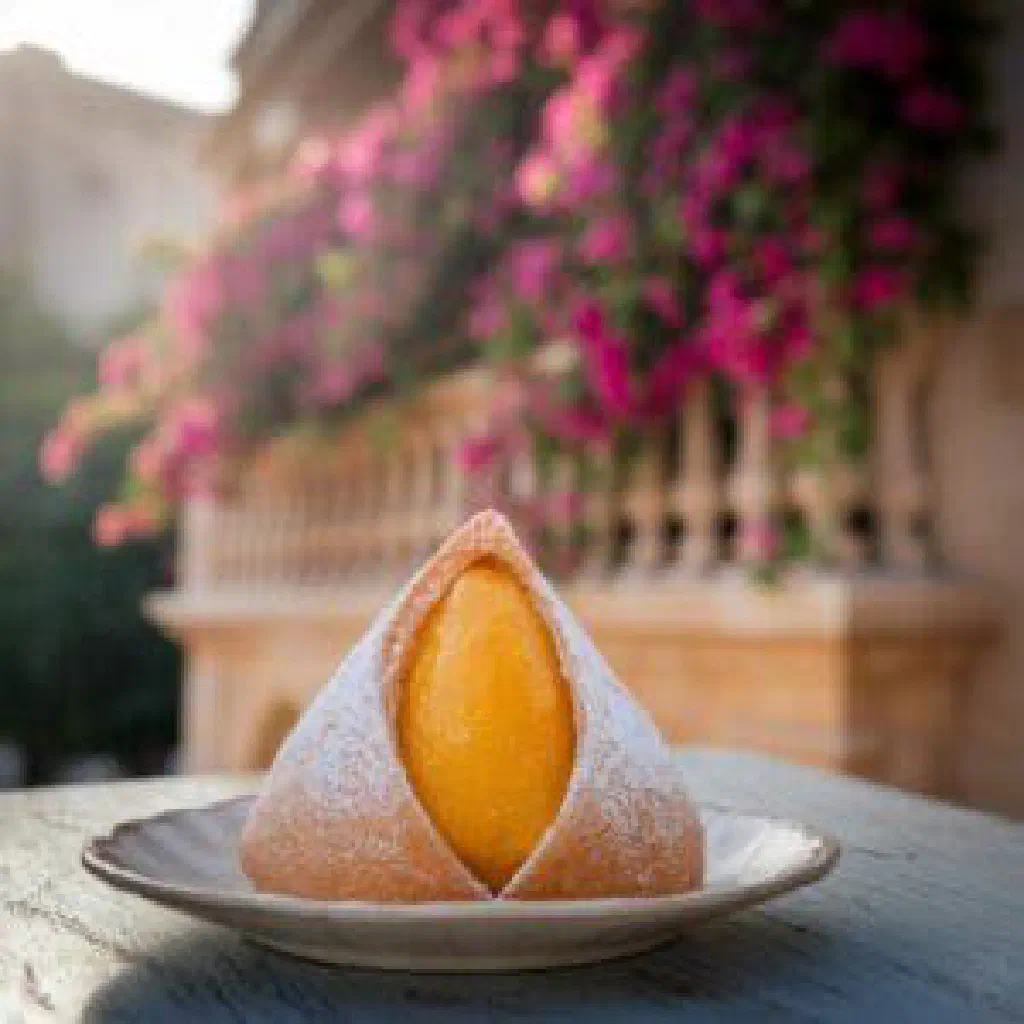
Meet Figolla, the brightly decorated almond pastry that turns up on every Maltese table at Easter. Beneath a tender almond crust hides a soft layer of marzipan, and the whole thing is cut into hearts, lambs, fish or flowers before being finished with colourful icing. It is as much a piece of family tradition as it is a sweet treat, and it is far easier to make at home than its showy appearance suggests. Bake a batch and you will understand why Maltese children count down the weeks to Easter Sunday.
About Figolla
The figolla is a traditional Maltese pastry, cherished above all at Easter. It is built from a delicate almond dough enriched with a luscious marzipan filling. The shape varies widely, and the pastries are often baked as hearts or other symbolic figures. With their vivid colours and elaborate decorations, figolli are not only a treat for the palate but a visual highlight on any Easter table.
Ingredients (serves 1–2)
- 150 g ground almonds (almond flour)
- 100 g icing sugar
- 1 egg
- 50 g butter
- 50 ml milk
- 100 g marzipan
- Food colouring (of your choice)
- Sugar, for decorating
Shopping for the ingredients
Before you start making your figolla, make sure you have everything to hand. Most of the ingredients, such as ground almonds and marzipan, are stocked by well-supplied supermarkets or specialist baking shops. When buying marzipan, look for a good-quality product, as it has a decisive influence on the flavour of the finished pastry. If you are after something more specific, such as food colouring, you will usually find it in the baking aisle or online.
Preparing the dish
Getting ready to bake a figolla is relatively straightforward and takes only a few basic steps. Start by measuring out all the ingredients and setting them within reach so the process runs smoothly. It is also worth preheating the oven to 180°C, so it is already at the right temperature when you need it. A well-organised work surface makes the baking easier and ensures nothing gets forgotten.
Step-by-step instructions
- Combine the ground almonds and the icing sugar in a bowl.
- Add the egg and the softened butter, then mix everything together thoroughly.
- Stir in the milk slowly until you have a smooth, pliable dough.
- Divide the dough in two and knead food colouring into one portion until evenly coloured.
- Roll out the dough and cut out the shape you want for your figolla.
- Prepare the marzipan filling and spread it evenly over the base layer.
- Lay the top layer of dough over it and press the edges down firmly.
- Bake in the preheated oven for about 20–25 minutes, then leave to cool.
- Decorate the figolla with sugar and any trimmings you like.
Gluten-free / lactose-free version
It is perfectly possible to make a figolla that is both gluten-free and lactose-free. In place of the almond flour you can use a gluten-free flour blend with comparable baking properties. For the lactose-free version, simply choose lactose-free butter and milk. Check that the marzipan is lactose-free too, so the pastry is genuinely free of both gluten and lactose and anyone with an intolerance can enjoy it.
Tips for vegans and vegetarians
For vegans, the egg is easily replaced with apple purée or soaked chia seeds. The butter can likewise give way to plant-based alternatives such as coconut oil. Do check that the marzipan contains no animal products, so the figolla suits a vegetarian or vegan diet. That way every guest can tuck in, whatever their dietary needs, the same approach works nicely with sweet Maltese classics such as Imqaret.
More tips and tricks
A few useful pointers will help make your figolla a hit both to look at and to eat. Chill the dough well before rolling it out, for instance: it is far easier to handle and far less likely to crumble. Vary the decorations, coloured sprinkles, edible flowers, a drizzle of icing, to give your figolla a personal signature. It is also worth experimenting with different flavours in the filling to create new and exciting variations.
Adapting the recipe to your taste
The figolla adapts beautifully to personal preference. If you like things less sweet, reduce the icing sugar or use a sugar-free sweetener instead. Anyone fond of nuts can fold chopped hazelnuts or walnuts through the filling. In this way everybody can build an individual flavour experience that matches their own tastes, much as bakers do with Kwarezimal, the almond biscuit eaten during Lent.
Ingredient substitutions
There are plenty of ways to vary or swap out the ingredients of a figolla. Instead of almond flour, other nut flours will change the flavour in interesting directions. If you need to avoid gluten, gluten-free flours are an excellent option. For the filling, you can replace the traditional marzipan with a fruit filling to bring fresher aromas and a splash of colour to the pastry, or with sweetened ricotta, as in a classic Ricotta Pie.
Drink pairing ideas
A range of drinks suits a figolla and underlines its sweetness. A fruity herbal tea or a well-chilled iced tea makes an excellent companion. A glass of sparkling wine or prosecco works just as well for a more festive occasion. Combinations like these make the celebrations around the figolla all the more enjoyable and turn the occasion into something memorable.
Serving and presentation ideas
Presentation can be the difference between an ordinary pastry and a genuine showstopper. Set on an elegant serving board or in a handsome bowl, the figolla becomes the centrepiece of any festive table. Finishing touches of sugar or edible blossoms lift its appearance and create a cheerful Easter atmosphere. Take the time to stage it properly, so it appeals to the eye as much as the palate.
A bit of history
The figolla has a long tradition in Malta and is closely bound up with the Easter celebrations. It marks the end of Lent and the beginning of festive days full of joy and togetherness. Historically, figolli were baked by families for special occasions and passed on from one household to the next, which deepened their place in Maltese culture. Baking traditions of this kind help preserve cultural heritage and connect the generations, one of the pleasures of exploring Maltese cuisine in general.
More recipe ideas
Summary: Figolla
The figolla is a delicious traditional Maltese pastry that belongs to Easter above all else. With its tender almond dough and its generous marzipan filling, it is a treat for the palate and a visual highlight in equal measure. With different decorating techniques and ingredient adjustments, anyone can create their own version and make it a very personal part of the celebrations. Whether at Easter or for any other festive occasion, the figolla is a dessert that looks lovely and tastes even better.