National Dish Malta: Gbejniet (Recipe)
In this article
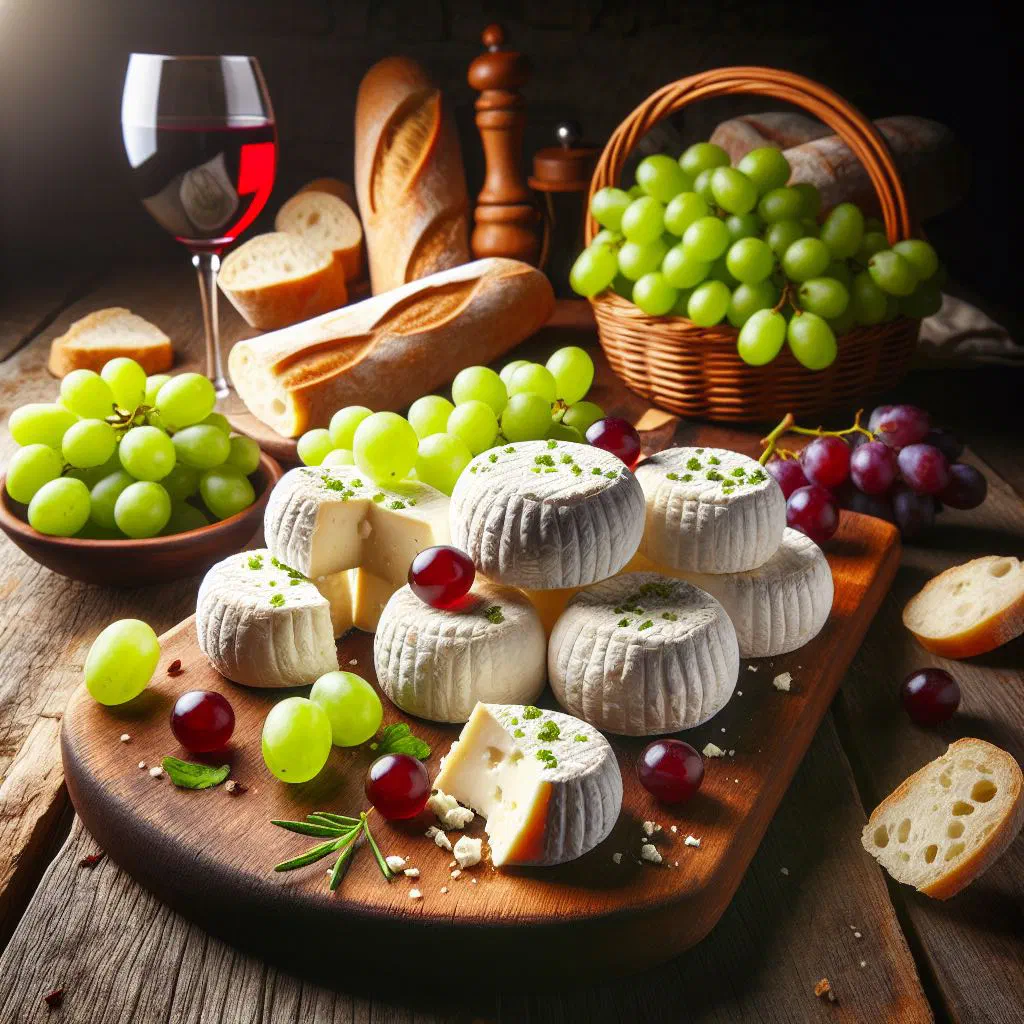
Meet Gbejniet, the little round sheep’s milk cheeses that Malta has been making for centuries. Barely bigger than a macaroon, they arrive fresh and milky, dried and firm, or rolled in cracked black pepper, and each version tells you something about the island’s farming past. Pan-fried until golden and served with ripe tomatoes and a slick of good olive oil, they bring the sunlit flavour of the Mediterranean straight to your table, whether as a quick snack or the centrepiece of a lazy lunch.
About Gbejniet
Gbejniet is a traditional Maltese cheese with a long history and a devoted following among food lovers. Made from sheep’s milk, it is a cornerstone of Mediterranean cooking. Its neat round shape and its many variations, often finished with oregano, cracked pepper or fenugreek, give gbejniet an intense, memorable flavour. Served as a snack, tossed through salads or folded into classic island dishes such as Ravjul Malti, this cheese is a must for anyone who loves good food.
Ingredients (serves 1–2)
- 250 g gbejniet (sheep’s milk cheese)
- 2 tablespoons olive oil
- 1 teaspoon oregano
- 1 teaspoon freshly ground black pepper
- 1 teaspoon fenugreek
- Fresh vegetables (tomatoes and cucumber, for example)
Shopping for the ingredients
To get the best from your gbejniet, it pays to shop carefully. Look for fresh gbejniet at a good delicatessen or a Maltese grocery. The cheese should have a creamy texture and be well wrapped so it stays fresh. The spices and the olive oil matter just as much as the cheese itself, so it is worth buying decent quality across the board.
Preparing the dish
Before you start cooking, gather everything you need and get it ready. Dice or slice the vegetables so they sit nicely alongside the cheese later on. The spices add a distinctive character, so consider mixing them together in advance. Careful preparation keeps the cooking itself relaxed and lets you draw out the full depth of the flavours.
Step-by-step instructions
- Heat the olive oil in a frying pan over a medium heat.
- Add the gbejniet and fry until golden brown on both sides.
- Scatter the spices evenly over the cheese while it cooks.
- Serve the gbejniet warm on a plate with the fresh vegetables.
Gluten-free / lactose-free version
Happily, gbejniet is naturally gluten-free, which makes it an excellent choice for anyone with particular dietary needs. Just check that the other ingredients meet the same requirements, especially the olive oil and the spice blends. Because it is a matured sheep’s milk cheese, the lactose content is low, though anyone strictly avoiding dairy should reach for a plant-based alternative instead. Simple, fresh ingredients and careful cooking make this a safe and satisfying option.
Tips for vegans and vegetarians
Gbejniet is made from sheep’s milk and so is not vegan, but there are creative ways to get close to the same experience. Vegans should try nut-based cheeses, which can mimic the creamy, savoury character of gbejniet rather well and take on herbs and spices beautifully. Vegetarians can simply enjoy the recipe as written, provided the cheese is made with a non-animal rennet, worth checking on the label. For a fully plant-based Maltese spread, pair it with a bowl of Bigilla.
More tips and tricks
A few small touches will sharpen your gbejniet no end. Frying the cheese not only deepens the flavour but gives it an appealing golden crust. Once it comes out of the pan, try finishing it with a drizzle of honey or a splash of balsamic vinegar to introduce a sweet note. That contrast creates an interesting balance and makes the dish far more exciting than the short ingredient list suggests.
Adapting the recipe to your taste
Everyone’s palate is different, so feel free to shape this gbejniet recipe around your own. If you like heat, add a pinch of red chilli flakes. For something fresher and lighter, stir in herbs such as mint or basil. Let your imagination lead and experiment with different combinations until you land on the version that suits you best.
Ingredient substitutions
If you do not have everything to hand, there are easy swaps. In place of olive oil you can use coconut oil or rapeseed oil for a different flavour dimension. For the spices, a ready-made herb blend made for cheese dishes works perfectly well. Substitutions like these let you vary the recipe without losing the essential character of the dish, much as cooks do with the humble Hobz Biz Zejt.
Drink pairing ideas
Choose drinks that complement the flavour of gbejniet. A glass of Maltese white wine or a crisp rosé works beautifully. For an alcohol-free option, serve fresh mint water or a fragrant herbal tea. Either way, the drink should lift the milky, peppery notes of the cheese rather than compete with them, turning a simple plate into a proper occasion.
Serving and presentation ideas
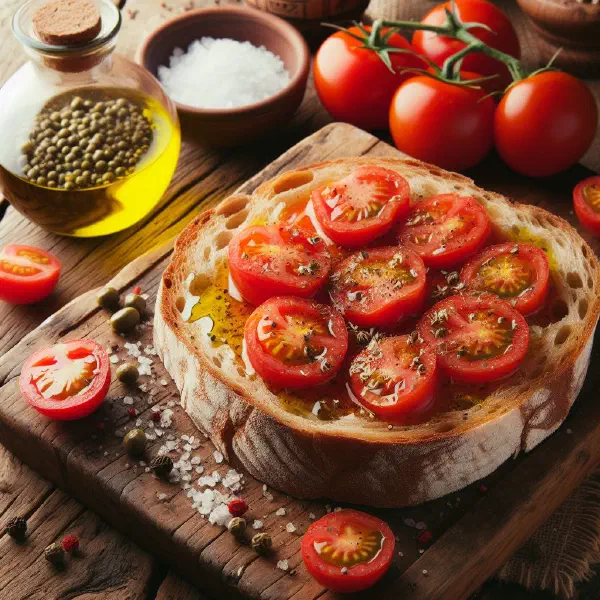
Looks matter when serving gbejniet. Arrange the cheeses on a handsome serving platter with colourful vegetables and fresh herbs. Place the cheese in the centre and fan the vegetables around it, or set them off to one side. A final trickle of olive oil over the cheese and a pinch of freshly ground pepper finish the picture and make the whole plate inviting.
A bit of history
Gbejniet has roots that run deep into Maltese culture. Shepherds on the islands have been making the cheese for centuries, and it is a symbol of a whole way of life. It was traditionally produced from the milk of sheep grazing Malta’s gently rolling countryside, then dried on cane racks in the open air. The way gbejniet is enjoyed today speaks to the variety and steady evolution of Maltese cuisine over the years.
More recipe ideas
Summary: Gbejniet
Gbejniet is a versatile cheese that holds a special place in Maltese cooking thanks to the sheer number of ways it can be prepared. As a snack, folded into a dish, or eaten plain with a little bread, it never fails to charm. With the right combination of ingredients and a few creative tweaks you can build a genuine feast around it. Let this recipe inspire you and enjoy the unique taste of Malta in your own kitchen.