National Dish Malta: Lampuki Pie (Recipe)
In this article
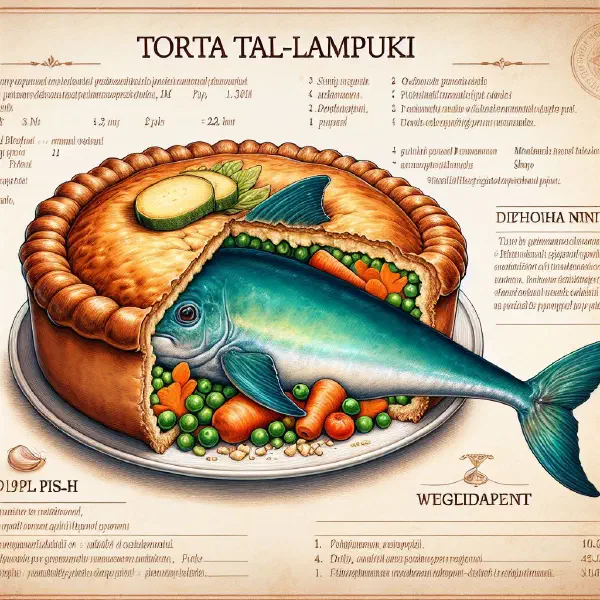
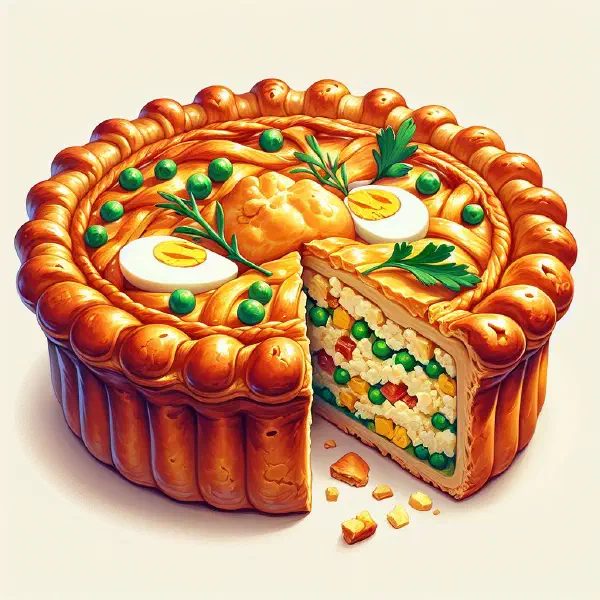
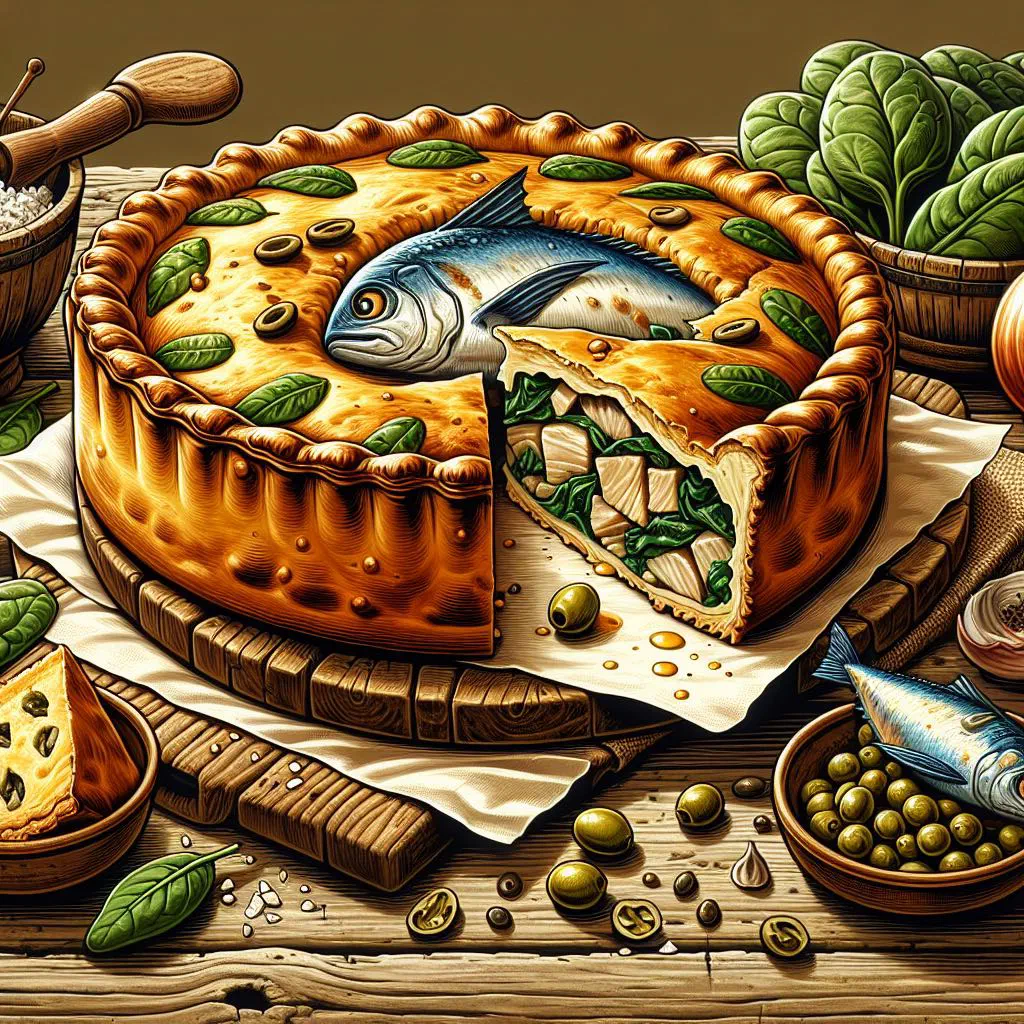
Few dishes capture the spirit of the Maltese islands quite like Lampuki Pie. Built around the autumn catch of dorado, the fish Maltese cooks call lampuki, this golden, flaky pie folds tender fish together with sweet peppers, potatoes and briny capers. It is a dish tied to a season and to the sea, appearing on tables all over the archipelago once the fishing boats come home. Warm, rustic and full of Mediterranean sunshine, it belongs on any list of recipes worth making at least once.
About Lampuki Pie
Lampuki Pie is a traditional Maltese dish that brings the flavours of the Mediterranean together in perfect harmony. It is more than a celebratory meal. It tells the story of Malta’s history and culture. The pie is made with fresh fish, above all the dorado, and offers an exciting combination of vegetables and spices. This delicate fish pie is usually served in the autumn months, when lampuki are caught in great numbers around the islands.
Ingredients (serves 1–2)
- 250g fresh lampuki (dorado)
- 1 onion, diced
- 1 pepper, diced
- 2–3 medium potatoes, diced
- 2–3 tablespoons olive oil
- 1 teaspoon capers
- 1 teaspoon dried oregano
- Salt and pepper to taste
- 1 roll of puff pastry
Shopping for the ingredients
To make an authentic lampuki pie, it is important to use fresh, good-quality ingredients. Visit your local fishmonger or fish market to get the freshest lampuki you can find, if it is out of season, mahi-mahi sold under its international name is the same fish. Choose seasonal vegetables that sit well alongside the fish, and you will usually find everything else on the list in a well-stocked supermarket.
Preparing the dish
Good preparation is decisive for the flavour of this pie. Begin by filleting the fish and removing every bone you can find. It pays to cut the vegetables into small, even pieces so that they cook through at the same rate. Preheating the oven to 180°C is an equally important step if you want the pastry to bake to a proper golden finish.
Step-by-step instructions
- Heat the olive oil in a pan and fry the diced onion until translucent.
- Add the pepper and potatoes and sweat everything together for around 10 minutes.
- Add the lampuki, capers, oregano, salt and pepper, and cook briefly so the fish is just set.
- Roll out the puff pastry, spoon the fish and vegetable mixture on top, and seal the edges firmly.
- Bake in the oven for about 30 minutes, until golden brown.
Gluten-free / lactose-free version
To make lampuki pie gluten-free and lactose-free, use a ready-made gluten-free puff pastry, or make your own crust from a mix of rice flour and pea flour. Check that the remaining ingredients are lactose-free as well, though most of them naturally are. Many of the herbs and vegetables here are gluten-free by nature, so there is little to worry about on that front. Enjoy the dish without any compromise.
Tips for vegans and vegetarians
For a vegan version of the pie, replace the fish with firm tofu or seitan. Instead of capers you might use artichoke hearts or olives to imitate the salty, briny note. The filling can be varied further with courgettes or aubergines, much as it is in the classic Brungiel Mimli. The characteristic flavour survives the swap, and the dish becomes something everyone at the table can share.
More tips and tricks
To get the very best from your lampuki pie, add fresh herbs such as dill or parsley to the filling. They lend the dish a bright, clean aroma. A squeeze of lemon juice just before serving will sharpen the flavours nicely. If you like a little heat, a pinch of chilli or an extra grind of black pepper does the job without overwhelming the fish.
Adapting the recipe to your taste
The beauty of this pie is how easily it bends to personal preference. If you would rather keep it meat-free, swap the fish for vegetables or pulses. Feel free to experiment with the spicing until you find the blend that suits you, and consider serving it alongside a simple Kappunata for a fuller plate. Every time you make it, you can give the dish a slightly different character.
Ingredient substitutions
If capers are not to your taste, green olives make a good stand-in and keep the salty edge intact. For a different texture, use quinoa or rice in place of the potatoes. The possibilities are wide open, so you can shape the recipe around whatever you happen to have. Working with seasonal produce will always give you the best results.
Drink pairing ideas
Light, refreshing white wines such as a Vermentino or a crisp rosé are natural partners for lampuki pie. Sparkling mineral water with lemon or a fresh fruit smoothie work just as well for anyone avoiding alcohol. Try a few combinations until you find your own favourite.
Serving and presentation ideas
An attractive presentation can raise the whole experience. Serve the pie on a nicely dressed plate and garnish it with fresh herbs and lemon wedges. A small bowl of homemade remoulade or a simple dip on the side is always welcome, as is a slice of Hobz Biz Zejt for mopping up. A little imagination in the plating turns any meal into an occasion.
A bit of history
Lampuki pie has its roots deep in Maltese culture and history. It is traditionally made in autumn, when dorado are plentiful in the waters around Malta and Gozo. The dish reflects the islands’ maritime tradition, in which fish has long been a cornerstone of the daily diet, the same tradition that gave us Aljotta, the country’s famous fish soup, and the wider world of Maltese cuisine. Over the years the recipe has evolved, and it remains a firm family favourite today.
More recipe ideas
Summary: Lampuki Pie
In short, lampuki pie is a wonderful dish that captures the flavours of Malta exactly as they are. With its fresh ingredients and hearty, unfussy preparation, it is a fine way to put an impressive meal on the table. It is a pie that pleases almost every palate. Let the range of flavours, and a little Maltese culture, be your inspiration.