National Dish Malta: Maltese Bread Pudding (Recipe)
In this article
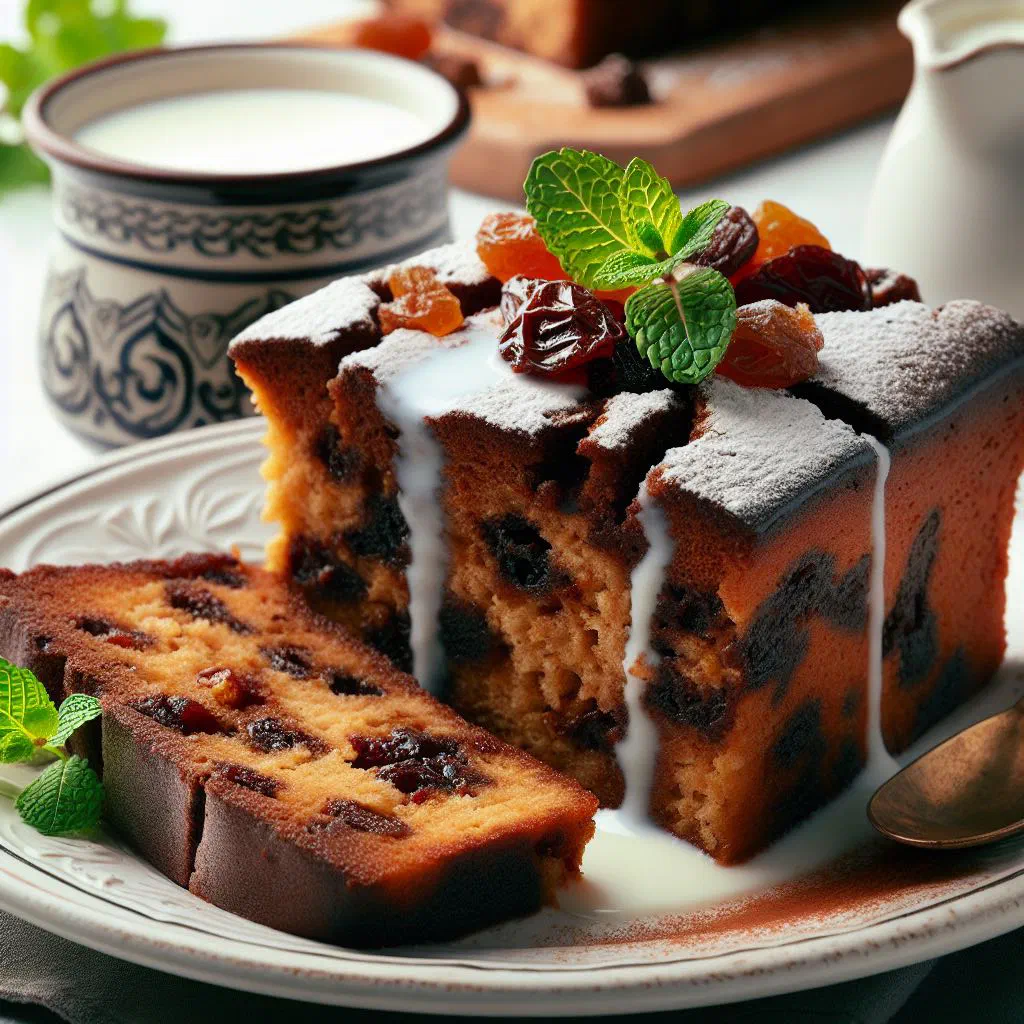
Discover Maltese Bread Pudding, the thrifty island classic known at home as Pudina tal-Ħobż. Stale loaves are soaked in warm broth, folded through sweet tomatoes, onions and Mediterranean herbs, then baked until the top turns burnished and crisp. It is humble cooking at its very best: nothing wasted, everything delicious, and a dish that tastes of sunshine, olive oil and generous island hospitality.
About Maltese Bread Pudding
Maltese Bread Pudding is a classic dish served in households right across the islands. It is a wonderfully creative way to use up leftover bread and turn it into a thoroughly satisfying meal. The dish is defined by its savoury flavours and by how forgiving the ingredient list is. Many families guard their own secret version, passed down through generations, which gives Maltese cooking its distinctive personality, much as it does with a slow-baked Ross il-Forn.
Ingredients (serves 1–2)
- 200g fresh bread (ideally ciabatta or Maltese loaf)
- 150ml vegetable stock
- 1 large onion, finely chopped
- 2 ripe tomatoes, diced
- 1 teaspoon oregano
- 1 teaspoon basil
- Salt and pepper to taste
- Olive oil, for frying
- Optional: cheese or vegetables as a filling
Shopping for the ingredients
When shopping for Maltese Bread Pudding, pay close attention to the quality of the bread, as it is the main ingredient. Fresh, crusty loaves deliver the best flavour of all. It is equally important to pick ripe tomatoes and aromatic herbs such as oregano and basil to intensify the flavours. Visit a local market or a shop specialising in Mediterranean produce to find the very best ingredients for your dish.
Preparing the dish
Preparing Maltese Bread Pudding is straightforward and takes only a handful of steps. Begin by cutting the bread into small pieces, making sure they will break down easily once soaked. While you are at it, prepare the onion and the tomatoes so the cooking time stays short. Good planning is essential to ensure every ingredient is ready at exactly the right moment.
Step-by-step instructions
- Cut the bread into small pieces and place them in a bowl.
- Heat the vegetable stock and pour it over the bread so it is thoroughly soaked through.
- Heat the olive oil in a frying pan and sauté the onions until golden brown.
- Add the diced tomatoes, oregano and basil and fry briefly.
- Stir the onion and tomato mixture into the soaked bread and combine well.
- Transfer to a greased baking dish and add cheese or vegetables as a filling, if you like.
- Bake in a preheated oven at 180°C for around 25–30 minutes, until the surface is lightly golden.
Gluten-free / lactose-free version
For a gluten-free take on Maltese Bread Pudding, use gluten-free bread, or a mixture of cooked rice and vegetables instead. Do check that your vegetable stock is also free from gluten. For a lactose-free version, simply vary the ingredients: plant-based cheese alternatives or a scattering of nutritional yeast flakes add plenty of savoury depth in place of dairy cheese.
Tips for vegans and vegetarians
Vegan and vegetarian versions of Maltese Bread Pudding are very easy to achieve. Instead of cheese, use a blend of puréed nuts or a homemade plant-based cheese. You can also fold in extra vegetables such as spinach, peppers or olives for more flavour and nutrition, the same approach that works beautifully in Kappunata. Just remember to check the vegetable stock and any pre-made products for animal ingredients.
More tips and tricks
The most important tip for a successful Maltese Bread Pudding is getting the texture of the bread right. It should be neither too dry nor too soggy to achieve the perfect consistency. Experiment with different fillings to discover new flavour combinations.
Adapting the recipe to your taste
The beauty of Maltese Bread Pudding lies in its versatility. You can adjust the recipe to personal preference with ease, for instance by switching the type of bread or varying the fillings. Depending on the season, add fresh vegetables or seasonal herbs. That way the dish stays fresh and interesting for any occasion, from a quiet supper to a spread built around Platt Malti.
Ingredient substitutions
There are plenty of alternatives you can use in Maltese Bread Pudding. In place of fresh tomatoes, try passata or another mild vegetable you enjoy. For a spicier note, add a little chilli or paprika. Experiment with different kinds of loaf to find the best flavour for your dish, the same crusty bread that carries a plate of Ħobż biż-Żejt works particularly well here.
Drink pairing ideas
A hearty portion of Maltese Bread Pudding calls for something refreshing alongside. A cool, lively Maltese beer or a crisp rosé wine makes a wonderful companion. For alcohol-free options, citrus lemonades or homemade iced teas do the job nicely. These drinks round off the lingering savoury flavours of the dish and turn the meal into something of an occasion.
Serving and presentation ideas
Presentation can lift the enjoyment of Maltese Bread Pudding considerably. Serve it in a colourful, decorative baking dish and garnish with fresh herbs. Take care to bring it to the table warm so the flavours come through in full. An attractive arrangement, perhaps with a simple salad or a few local cheeselets on the side, makes the dish even better.
A bit of history
Maltese Bread Pudding has a long history, closely bound up with the culture of the islands. It began as a practical solution for using up leftover bread and odds and ends from the larder. Over time it grew into a well-loved dish found in countless Maltese homes and on restaurant menus alike. The recipe reflects the Mediterranean influences and the love of versatile, hearty cooking that runs through Maltese cuisine.
More recipe ideas
Summary: Maltese Bread Pudding
In short, Maltese Bread Pudding is a simple yet delicious dish that captures the flavours of the islands. Its versatility means it works equally well as a main course or as finger food for a sociable gathering. The possibilities are all but endless. Give it a go, and enjoy a little piece of Malta on your plate.