National Dish Mauritania: Baobab Leaf Sauce (Recipe)
In this article
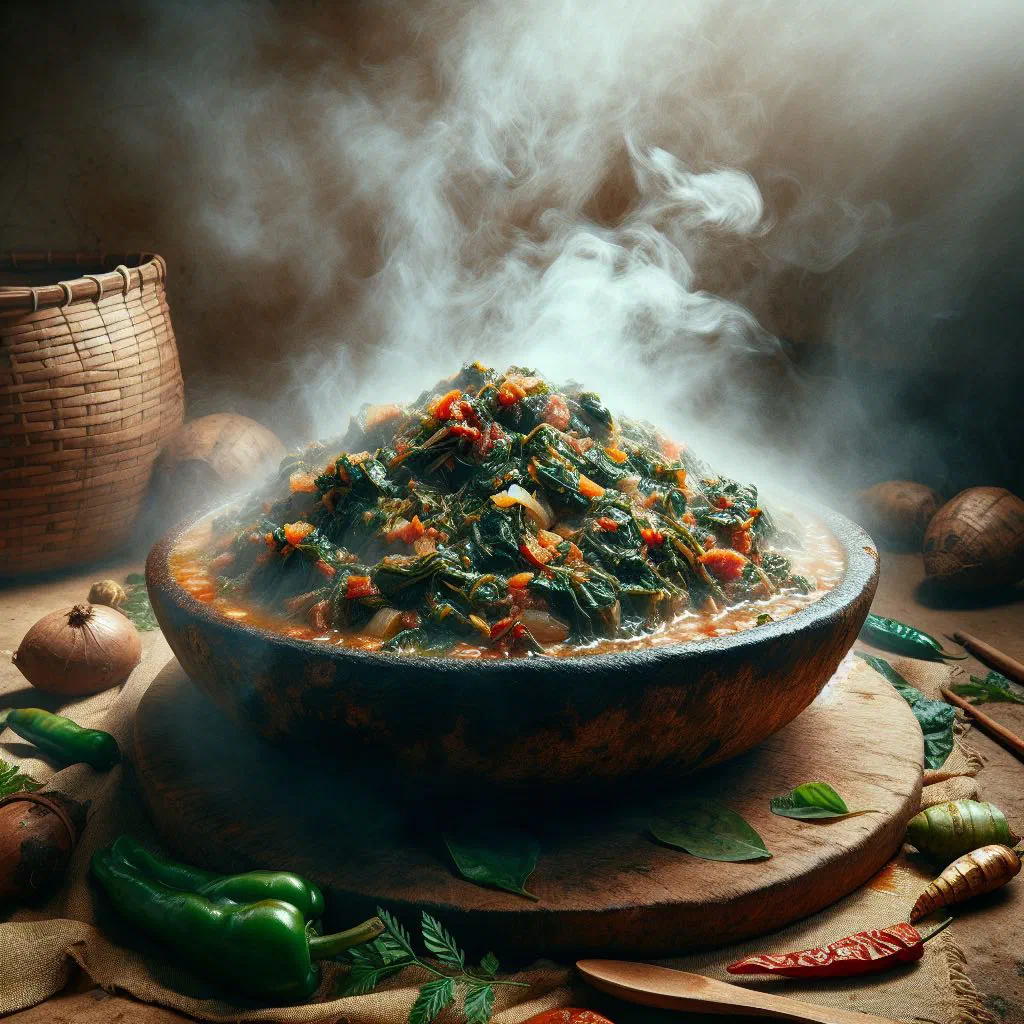
Discover Baobab Leaf Sauce, the celebrated national dish of Mauritania and a wonderful window onto West African cooking. Built around nutrient-rich baobab leaves and a warming blend of spices, this fragrant sauce carries generations of tradition in every spoonful. It is hearty, wholesome and endlessly adaptable, the sort of dish that turns a simple bowl of rice into something memorable. Bring a taste of the Sahel straight to your own kitchen.
About Baobab Leaf Sauce
Baobab Leaf Sauce is the national dish of Mauritania, prized for its layered flavour and its deep cultural roots. Its main ingredient, baobab leaves, is famed for a high nutrient content and its healthful properties. The sauce reflects the culture of Mauritania and the traditions and culinary customs of the wider region. With its distinctive marriage of spices and fresh ingredients, it enriches every meal and becomes the highlight of any table.
Ingredients (serves 1–2)
- 200g fresh baobab leaves
- 1 onion, finely chopped
- 2 cloves garlic, crushed
- 1 tomato, diced
- 1 teaspoon cumin
- 1 teaspoon paprika
- Salt and pepper, to taste
- 2 tablespoons oil (such as olive or groundnut oil)
Shopping for the ingredients
To make Baobab Leaf Sauce, the right ingredients are essential. Several of them, the baobab leaves above all, may not be stocked in every supermarket. It is well worth searching African grocery shops or ordering online to find good-quality produce. The spices, too, should be fresh and of good quality to bring out the full flavour of the sauce.
Preparing the dish
Preparing Baobab Leaf Sauce is quick and straightforward. The baobab leaves should be washed carefully and roughly chopped. The onion and garlic need to be cut into fine pieces so the flavour spreads evenly through the dish. Fresh tomatoes are an ideal addition, lending the sauce a little extra fruitiness.
Step-by-step instructions
- Heat the oil in a pan and add the onions. Sauté until golden brown.
- Add the garlic and tomatoes and let them simmer for a further 2–3 minutes.
- Stir in the washed baobab leaves and mix everything together well.
- Season the mixture with cumin, paprika, salt and pepper, then simmer for about 10 minutes.
- Serve the sauce hot alongside your chosen accompaniment.
Gluten-free / lactose-free version
Baobab Leaf Sauce is naturally gluten-free and lactose-free, which makes it an excellent choice for anyone with food intolerances. Just make sure that every other ingredient you use meets the same criteria. When buying spices, check that they contain no hidden gluten or dairy. That way everyone can enjoy this delicious sauce without worrying about possible allergies.
Tips for vegans and vegetarians
Baobab Leaf Sauce is naturally vegan and vegetarian, which makes it a perfect fit for plant-based diets. To deepen the flavours, vegans might add pan-fried aubergines or chickpeas, both of which boost the body and nutrient content of the dish. Well-chosen sides such as rice or couscous pair beautifully too, much like the greens in Feuilles De Manioc.
More tips and tricks
There are a few handy tips for making Baobab Leaf Sauce. Fresh ingredients deliver the best taste, so try to use baobab leaves that are as fresh as possible. A longer cooking time can intensify the flavour, but avoid over-cooking so the nutrients are preserved. Experiment with different spices or add more vegetables to discover new flavour directions.
Adapting the recipe to your taste
One of the best things about Baobab Leaf Sauce is its flexibility. Depending on personal preference, various ingredients can be adjusted or swapped. You might add hot chillies, for instance, to give the sauce more of a kick. Stirring in other leafy greens such as spinach or chard can be interesting too, lending the dish a personal touch, an approach that also works well in a hearty Daraba.
Ingredient substitutions
If baobab leaves are hard to find, similar greens such as kale or Swiss chard can be used. A leafy spinach is another option, though the flavour may differ slightly. With the spices, it is worth finding creative alternatives that preserve a sense of authenticity, such as curry or tamarind. In this way you can still create a tasty dish that recalls the original lush sauce.
Drink pairing ideas
Pairing the right drinks with Baobab Leaf Sauce can be decisive for the whole tasting experience. A refreshing mint tea or a fruity hibiscus tea goes very well and strikes an interesting balance with the savoury sauce. For alcoholic options, a light wheat beer or a rosé wine works nicely too. These drinks aid digestion and intensify the aromas of the dish.
Serving and presentation ideas
The presentation of Baobab Leaf Sauce can lift the whole meal. Use attractive, colourful plates and garnish the sauce with fresh herbs or a squeeze of lemon to add an eye-catching touch. Serving it with vivid sides such as grilled vegetables or rice adds visual appeal. Remember to set an inviting table that reflects the dish’s Mauritanian roots.
A bit of history
Baobab Leaf Sauce carries a rich cultural history, woven deeply into the traditions of Mauritania. The baobab tree, also known as the “tree of life”, is revered across many African cultures. This sauce is a delicacy and a symbol of the bond between people and their environment and the natural world. Its use across generations shows how important these ingredients are for regional identity and food security, and it remains a proud fixture of Mauritanian cuisine.
More recipe ideas
Summary: Baobab Leaf Sauce
Baobab Leaf Sauce is a true cultural emblem of Mauritania, winning admirers for its flavour and for its health benefits. The combination of fresh baobab leaves and traditional spices conjures a dish that is both delicious and nourishing. The sauce’s versatility invites countless variations and adaptations, so everyone can craft a recipe of their own. Anyone keen to discover Mauritanian cooking should not let this speciality pass them by.