National Dish Mauritania: Feuilles de Manioc (Recipe)
In this article
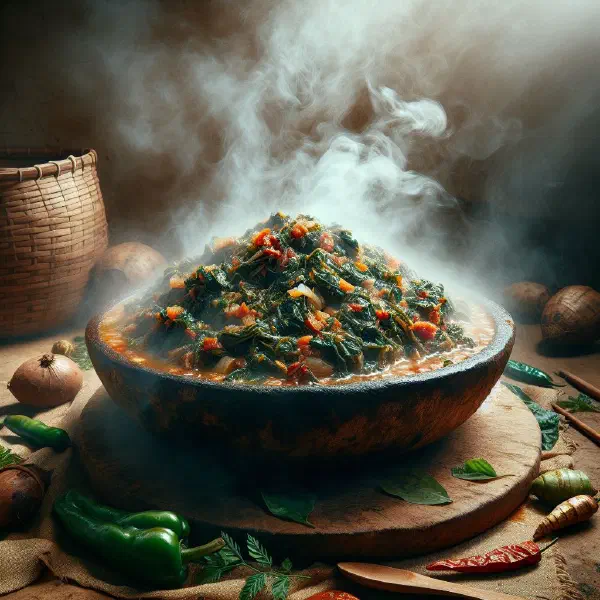
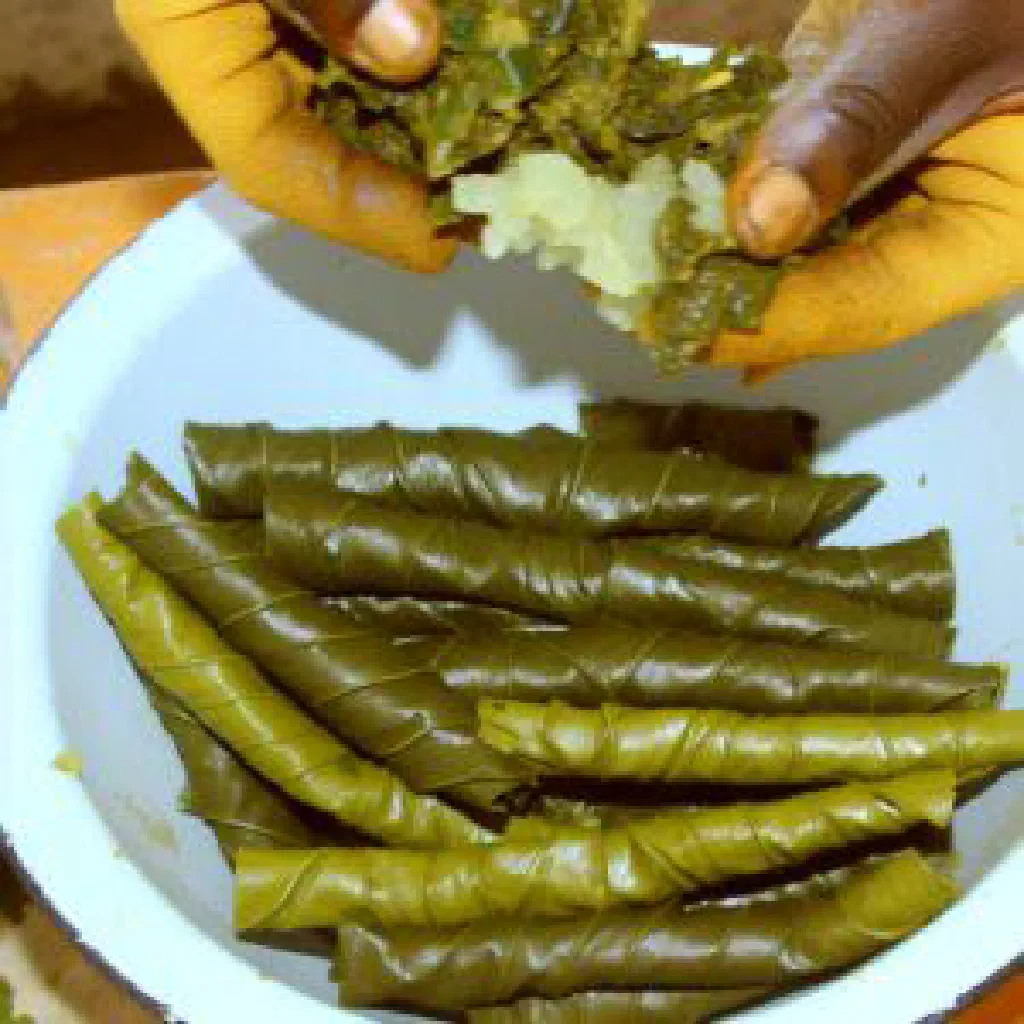
Meet Feuilles de Manioc, a comforting Mauritanian classic built around tender cassava leaves slow-cooked in a creamy coconut sauce. Simple yet deeply flavourful, it brings together fresh vegetables, warm spices and an optional hit of protein for a dish that feels both nourishing and homely. More than just dinner, it is a genuine taste of Mauritanian tradition, easy to recreate in your own kitchen and endlessly open to your personal touch.
About Feuilles de Manioc
Feuilles de Manioc is a traditional Mauritanian dish that stands out for its simplicity as much as its rich, satisfying flavour. Its star ingredient, the cassava plant, is nourishing and wonderfully versatile in the kitchen. In Mauritania the tender leaves are most often cooked with an array of spices and a choice of protein, which has helped cement their popularity across the regional table. This is a dish that appeals to the palate while also serving as a real symbol of Mauritanian culture and heritage.
Ingredients (serves 1–2)
- 200 g fresh cassava leaves
- 1 onion, finely chopped
- 2 cloves of garlic, crushed
- 400 ml coconut milk
- 2 tomatoes, diced
- 1 teaspoon paprika
- Salt and pepper, to taste
- Oil for frying
- Optional: a protein such as chicken or fish
Shopping for the ingredients
To make Feuilles de Manioc well, it pays to source the freshest ingredients you can. Many of these are easy to find at African or international grocers. The fresh cassava leaves are the heart of the dish and should be as fresh as possible for the best flavour. It is also worth checking that your coconut milk is good quality, as this is what lends the dish its lovely creamy consistency.
Preparing the dish
Getting Feuilles de Manioc ready involves washing and finely chopping the cassava leaves with care. It is important to rinse the leaves thoroughly to remove any grit or residue. The onion and garlic should be chopped finely so they distribute evenly through the dish. Choose tomatoes that are fresh and ripe to bring out the natural sweetness and a bright, fresh note.
Step-by-step instructions
- Heat the oil in a pan, add the onion and garlic, and fry until golden brown.
- Stir in the diced tomatoes and let them simmer for a few minutes.
- Add the prepared cassava leaves to the pan and mix everything together well.
- Pour in the coconut milk and let it simmer gently over low heat until the leaves are tender.
- Season with paprika, salt and pepper to taste. Add your chosen protein at this stage if you like.
Gluten-free / lactose-free version
Feuilles de Manioc is naturally gluten-free and can easily be made lactose-free too. Just make sure the coconut milk you use contains no added sweeteners or other ingredients that might introduce lactose. This makes the dish an excellent choice for anyone with food intolerances. You can also swap in alternative plant-based oils if you want to keep everything fully vegan-friendly.
Tips for vegans and vegetarians
For a vegan version of Feuilles de Manioc, simply leave out the animal protein and add plant-based proteins such as chickpeas or lentils instead. These boost the nutritional value of the dish and add extra texture and flavour. Take a little care to adjust the seasoning so nothing is lost, and you will find that vegans and vegetarians can enjoy this traditional dish just as much. Crisp Beignets de Pois Chiches make a lovely protein-rich side.
More tips and tricks
To get the very best from Feuilles de Manioc, take care not to overcook the cassava leaves so they keep their texture. Experiment with different spices, a pinch of chilli adds a pleasant warmth to the dish. Thanks to the coconut milk, you can adjust the consistency entirely to taste by adding a little more or less. It is also best served fresh, so it holds on to its aroma and vibrancy.
Adapting the recipe to your taste
Feuilles de Manioc is remarkably adaptable, so you can shape the recipe around your own preferences. Like it hotter? Simply add more chilli or throw in some fresh pepper. If you prefer a creamier finish, stir in a little extra coconut milk. Playing with the cooking time of the cassava leaves can also unlock new flavours and make the dish feel more your own.
Ingredient substitutions
If fresh cassava leaves are not available, you can use frozen ones, which many supermarkets now stock. For anyone without coconut milk to hand, vegetable stock makes a good alternative, a little less creamy, but still full-bodied. When it comes to spices, feel free to try cumin or turmeric in place of paprika, depending on what you fancy. A splash of coconut milk also works beautifully in dishes like Riz au Lait de Coco.
Drink pairing ideas
To serve alongside Feuilles de Manioc, African fruit juices or a refreshing hibiscus tea both complement the flavours of the dish nicely. A glass of sparkling water with a squeeze of lemon also makes a refreshing partner. Among alcoholic options, a light wheat beer or a fruity rosé pairs very well with the spiced notes. Together these round out the whole tasting experience.
Serving and presentation ideas
To serve Feuilles de Manioc attractively, arrange it in a simple white bowl and garnish with fresh herbs such as coriander or parsley. A squeeze of fresh lemon juice and a few splashes of colour, tomato slices or peppers, lift the presentation further. You might also consider serving the dish on a handful of banana leaves, which looks striking and reflects the traditional Mauritanian way. A thoughtful presentation impresses every guest.
A bit of history
The roots of Feuilles de Manioc run deep in Mauritanian history. The dish has evolved across generations and reflects the influences of the many cultures that meet in the region. Cassava is a staple food across much of Africa, prized for its resilience and nutritional density. Preparing and sharing Feuilles de Manioc is a culinary pleasure and a way of strengthening and preserving the traditions of Mauritanian cuisine.
More recipe ideas
Summary: Feuilles de Manioc
Feuilles de Manioc is a delicious and nutritious dish that appeals to with its layered flavours and with its deep-rooted cultural meaning. The combination of fresh ingredients, warm spices and a straightforward method makes it an ideal dish for any home. Feuilles de Manioc offers a fascinating window into Mauritanian cuisine. Enjoy the cooking and all the possibilities this dish has to offer.