National Dish Mauritania: Kesra (Recipe)
In this article
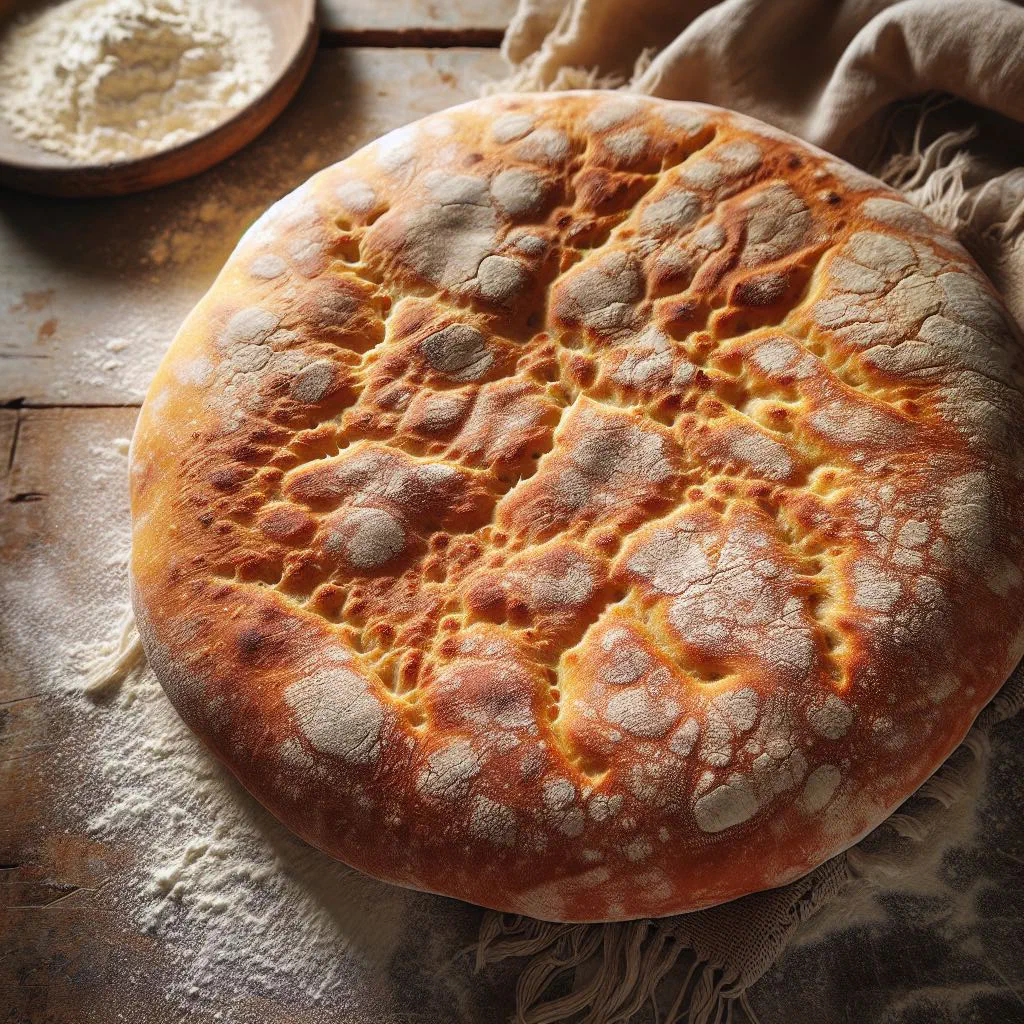
Meet Kesra, the humble flatbread that sits at the heart of Mauritanian cooking. Made from little more than durum wheat semolina, water and a pinch of salt, it is proof that a handful of simple ingredients can go a long way. Served warm and endlessly versatile, this soft, rustic bread turns up alongside stews, dips and salads at tables across the country. Bake a batch at home and bring a slice of North African hospitality to your own kitchen.
About Kesra
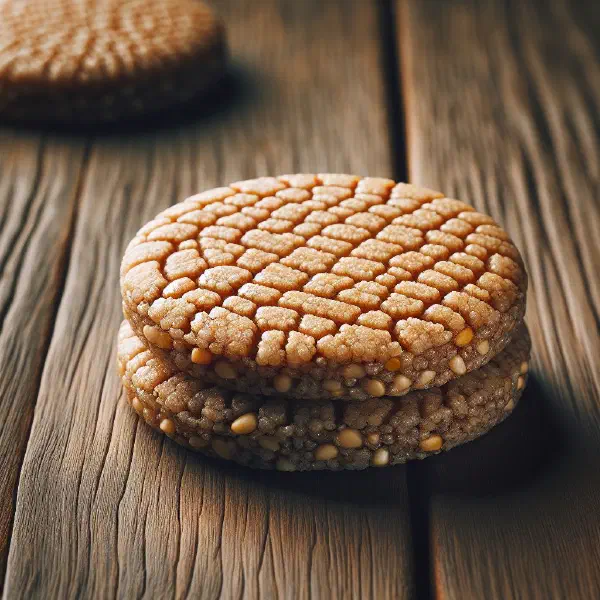
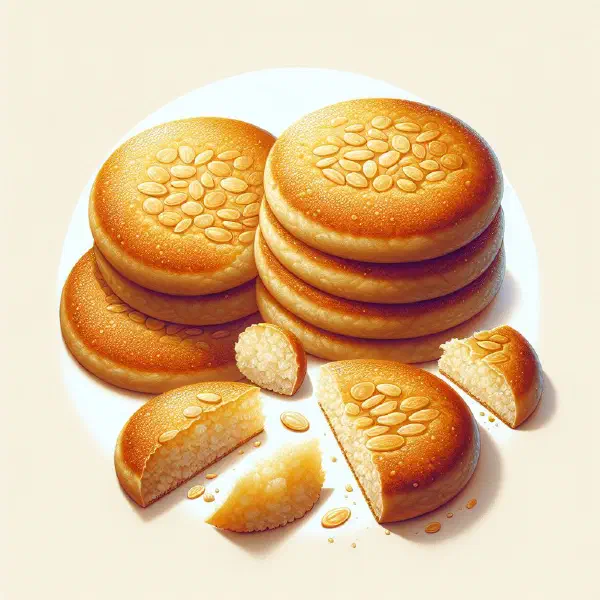
Kesra is the traditional national dish of Mauritania, beloved by locals and travellers alike. This flatbread is typically made from durum wheat semolina or flour, mixed with water and a pinch of salt. The preparation is refreshingly simple, and that ease is a big part of its appeal. Kesra is often served warm and works as a versatile accompaniment to a great many Mauritanian dishes, much like a soft Matlouh does.
Ingredients (serves 1–2)
- 200 g durum wheat semolina or flour
- 150 ml water
- 1 pinch of salt
- 1 tablespoon oil (optional)
Shopping for the ingredients
To make kesra you need only a few basic ingredients, most of which are easy to find in any supermarket or deli. Look for good-quality durum wheat semolina or flour, since the quality of the ingredients has a real impact on the flavour of the bread. You can also pick up a decent olive oil if you decide to use it in the dough. Once your ingredients are ready, nothing stands between you and the pleasure of baking.
Preparing the dish
Preparing kesra could hardly be simpler, and it takes very little time. Start by combining the flour or semolina with the water and a pinch of salt in a bowl. Be sure to knead the dough evenly until it turns smooth and elastic. Then leave it to rest for around 20 minutes so the flavours have a chance to develop.
Step-by-step instructions
- Mix the durum wheat semolina or flour with water and salt.
- Knead the dough until it is smooth and even.
- Leave the dough to rest for about 20 minutes.
- Divide the dough into equal portions and shape them into flat, round loaves.
- Heat a pan over medium heat and cook the breads for roughly 2–3 minutes on each side.
Gluten-free / lactose-free version
For those who want to eat gluten-free, kesra can also be made with gluten-free flours. A blend of rice flour and chestnut flour makes a good alternative with a similar taste experience. Be sure to add a binding agent such as guar gum as well, to improve the texture of the dough. For a lactose-free version, any recipe that includes oil can be adapted without any trouble at all.
Tips for vegans and vegetarians
Kesra is naturally vegan and vegetarian, which makes it an excellent choice for every kind of diet. You can pair it with a range of plant-based spreads or salads to build a complete meal. Experiment with mixed vegetables or Mediterranean ingredients to discover new flavours. This versatility makes kesra a popular addition to any spread, and it sits happily beside a smoky Zaalouk.
More tips and tricks
A few pointers will help you make the perfect kesra. For example, be sure to heat the pan thoroughly before you start baking the flatbread. A lid over the pan can also help distribute the heat evenly and cook the bread more consistently. For extra flavour, you can work spices such as cumin or paprika into the dough.
Adapting the recipe to your taste
The kesra recipe is very easy to adapt to different preferences. You could, for instance, fold in fillings such as feta cheese or fresh herbs. The choice of accompaniments can vary too, from classic hummus to fiery dips, there is plenty of room for creative experiments. Just keep an eye on the consistency of the dough at every stage to get the best possible result, as you would with a pillowy Baghrir.
Ingredient substitutions
If you have trouble sourcing the ingredients, there are plenty of alternatives you can turn to. Instead of durum wheat semolina you might use plain flour or cornmeal, for example. For a gluten-free version you can fall back on the gluten-free flours mentioned earlier. Just make sure the alternatives you choose do not have a negative effect on the flavour of the kesra.
Drink pairing ideas
Plenty of different drinks go beautifully with a delicious kesra. Traditionally it is often enjoyed with strong teas or filtered water. If you prefer something refreshing, fruit juices or sparkling water are also a good choice. Milky drinks such as a yoghurt lemonade can round the dish off perfectly too, adding a pleasantly light, tangy note.
Serving and presentation ideas
Presentation can make a real difference with kesra. Serve the flatbread on an attractive plate and garnish it with fresh herbs or vegetables. It looks especially appealing when you set out various dips in small bowls alongside. The colours of the ingredients and the way you arrange them add visual richness and make the dish more inviting.
A bit of history
Kesra has a long tradition in Mauritanian cooking and reflects the country’s cultural influences. It has been prepared in the region for centuries and is a symbol of hospitality. It was originally regarded as a staple food in Berber culture. Today kesra is prized not only in Mauritania but throughout other parts of North Africa, making it a symbol of a shared culinary heritage that runs right through Mauritanian cuisine.
More recipe ideas
Summary: Kesra
In short, kesra is a simple and delicious flatbread that is deeply rooted in Mauritanian culture. With just a few ingredients it comes together quickly and offers countless ways to adapt it. Whether as a snack, at breakfast or as a side, kesra enriches any meal and brings a piece of Mauritanian tradition to your table. Give it a try and enjoy its unique flavour.