National Dish Mauritania: Matlouh (Recipe)
In this article
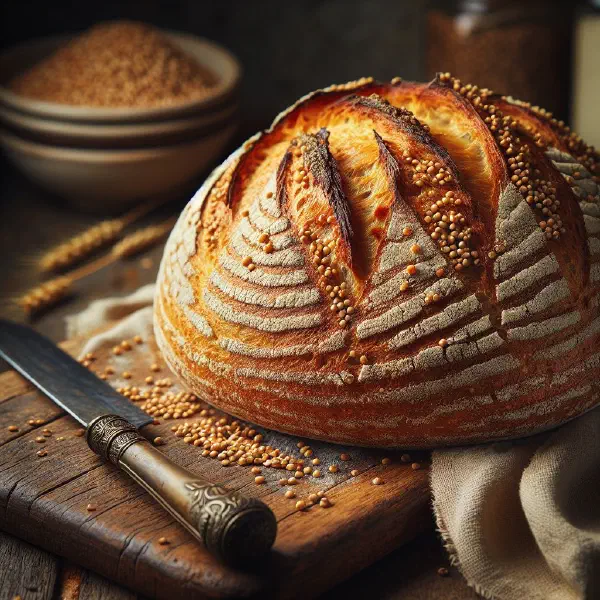
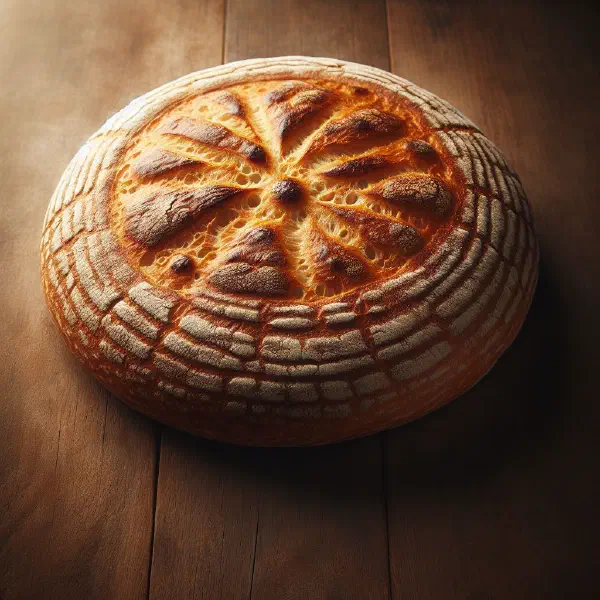
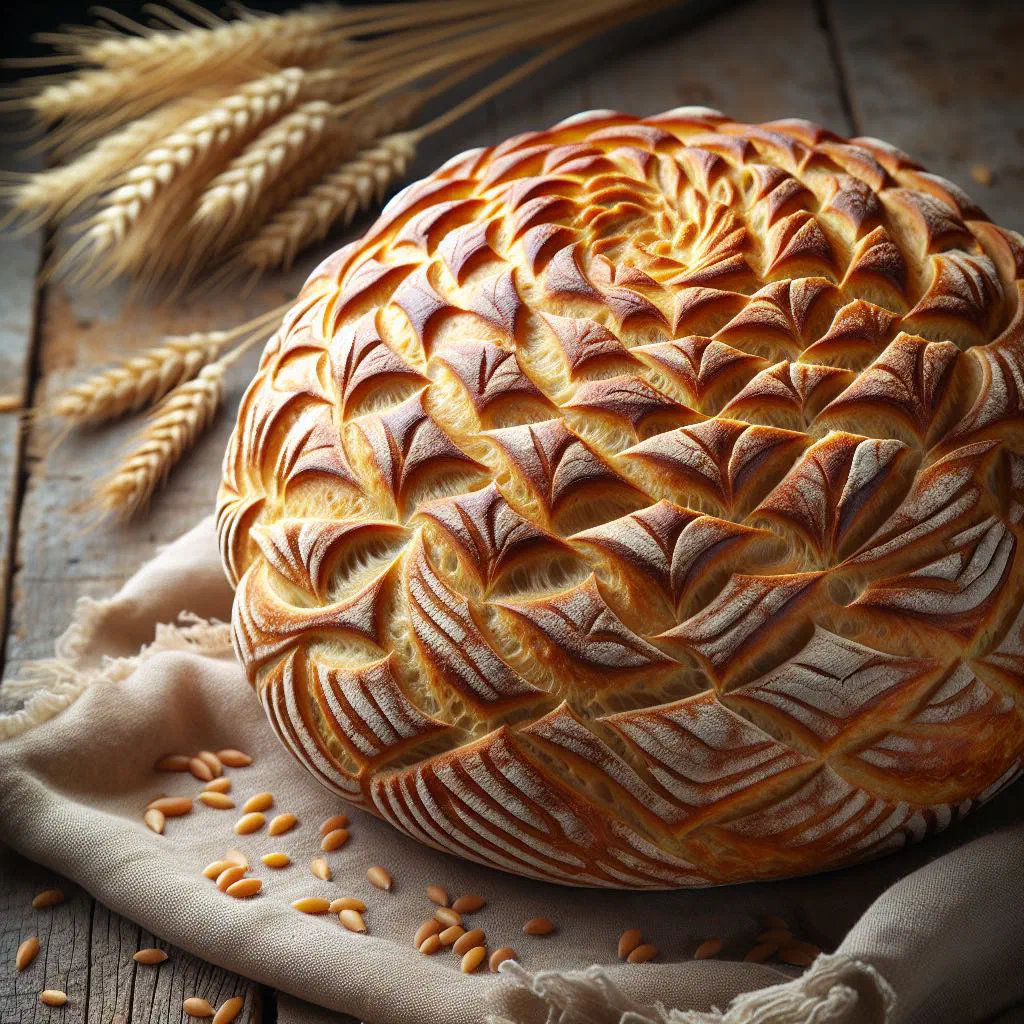
Meet Matlouh, the soft, pillowy flatbread that sits at the heart of the Mauritanian table. Traditionally baked in the desert’s hot sand, it carries a gentle, earthy flavour and a wonderfully airy crumb. Whether torn to scoop up a spiced stew or enjoyed on its own as a simple snack, this humble bread is far more than food. It is a symbol of hospitality and community. Bring a taste of the Sahara into your own kitchen with this straightforward recipe.
About Matlouh
Matlouh is a traditional flatbread from Mauritania, celebrated for its light, airy and soft texture. Classically it is baked in hot desert sand, a method that lends the bread its distinctive character and gentle flavour. Matlouh is most often served as an accompaniment to hearty, spiced stews or eaten as a snack, and it holds a central place in Mauritanian cooking. More than simply a foodstuff, it is a symbol of Mauritanian culture and the warmth of shared meals.
Ingredients (serves 1–2)
- 250 g wheat flour
- 150 ml water
- 1 tsp salt
- 1 tsp yeast
- 1 tsp sugar
- A little oil, for greasing
Shopping for the ingredients
The ingredients for matlouh are usually available in any supermarket or at your local weekly market. Choose fresh wheat flour to achieve the best texture and flavour. Yeast and salt are just as important, as they help the bread rise and give it the seasoning it needs. A little sugar is added to feed the yeast and to bring the flavours into balance.
Preparing the dish
Before you start, make sure you have all your ingredients to hand. A clean, spacious work surface is a real help when it comes to kneading the dough properly. If you would rather not work with yeast, you can explore other methods for helping the dough rise. Remember that thorough kneading is crucial for achieving the airy texture that makes matlouh so special.
Step-by-step instructions
- Combine the wheat flour, salt, yeast and sugar in a bowl.
- Slowly pour in the water while kneading the mixture together.
- Knead the dough for around 10 minutes, until it is smooth and supple.
- Leave the dough to rise in a warm spot for about 1 hour, until it has doubled in size.
- Divide the dough into small portions and shape each one into a flat round.
- Bake the flatbreads in hot sand or in a pan until golden brown.
- Serve the matlouh warm alongside your favourite dishes.
Gluten-free / lactose-free version
For a gluten-free version of matlouh you can use gluten-free flour, ideally a blend that is well suited to bread baking. Lactose plays no part in this recipe, as it contains no dairy products at all. These adjustments mean that people with intolerances can still enjoy this delicious bread. It is a fantastic option for anyone keen to explore new flavours and textures.
Tips for vegans and vegetarians
Matlouh is naturally vegan and contains no animal products whatsoever. Vegans can enjoy the bread in all sorts of ways, with vegetable spreads, for instance, or paired with pulses. A vegetable stew such as Loubia makes an excellent partner that rounds the meal out beautifully. If you fancy trying more creative combinations, think of fresh herbs or fruit as a side.
More tips and tricks
To get the very best results when baking matlouh, keep a close eye on the temperature of your heat source and baking surface. A hot baking spot is essential for creating that perfect crust. Feel free to experiment with spices in the dough to weave in extra layers of flavour. Be creative with your serving, too, to make the dish as visually inviting as possible.
Adapting the recipe to your taste
If you would rather not use wheat flour, rice flour or cornflour can make an interesting alternative. These options give matlouh a different flavour and can accommodate a range of dietary needs. Take care to reduce the amount of liquid when using other flours, as they each have different hydration requirements. You will also find that handy gluten-free blends work wonderfully here.
Ingredient substitutions
If certain ingredients are not to hand, there are plenty of creative swaps to try. Beyond flour, you can vary the seasoning to suit what you have available. Different flours change both the flavour and the crumb, so adjust the water accordingly. Substitutions like these let you tailor the bread to what is in your cupboard, much as you might when preparing a light Baghrir pancake.
Drink pairing ideas
Matlouh goes beautifully with a wide range of drinks. Mint tea is a hugely popular drink in Mauritanian culture and complements the bread perfectly. Fresh juices or an ice-cold lemonade also make a refreshing accompaniment. Alternatively, reach for a traditional Mauritanian drink such as Zrig, a sweetened milk beverage, to complete the flavour experience.
Serving and presentation ideas
To present matlouh attractively, arrange it on a large platter. Fresh herbs or vegetables around the flatbreads make the dish even more inviting. You could also cut the bread into strips to serve as a sociable snack. A thoughtful arrangement on the table, together with well-matched sides, will enrich the whole dining experience.
A bit of history
Matlouh has its roots deep in Mauritanian tradition and forms an important part of everyday eating. Passed down by word of mouth through the generations, it has a real gift for bringing people together. The art of baking in sand is a technique that traces back to the Berbers and is still practised in many households today. These traditional methods are part of what makes enjoying matlouh such an authentic experience within Mauritanian cuisine.
More recipe ideas
Summary: Matlouh
Matlouh is an indispensable part of Mauritanian cooking, winning people over with its tender crumb and versatile role at the table. Enjoyed as a snack, or combined with other dishes, this traditional flatbread brings culture and heritage to life. Its simple preparation and everyday ingredients make matlouh an ideal dish for any home. At your next meal, savour a portion of Mauritanian history and culture.