National Dish Mauritania: Mauritanian Baguette (Recipe)
In this article
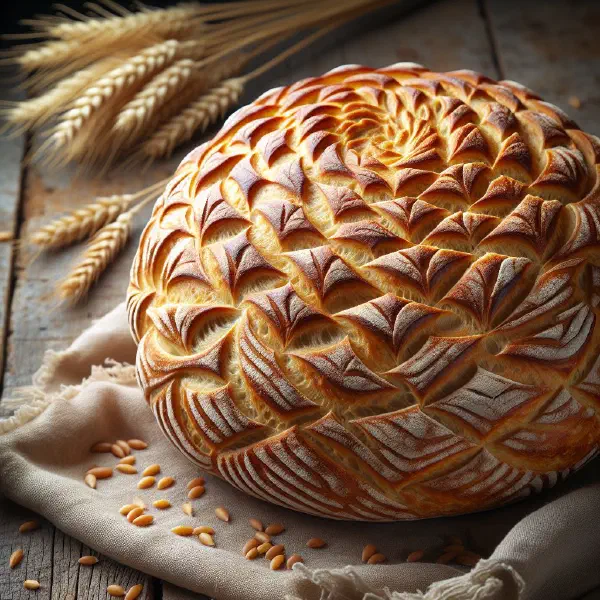
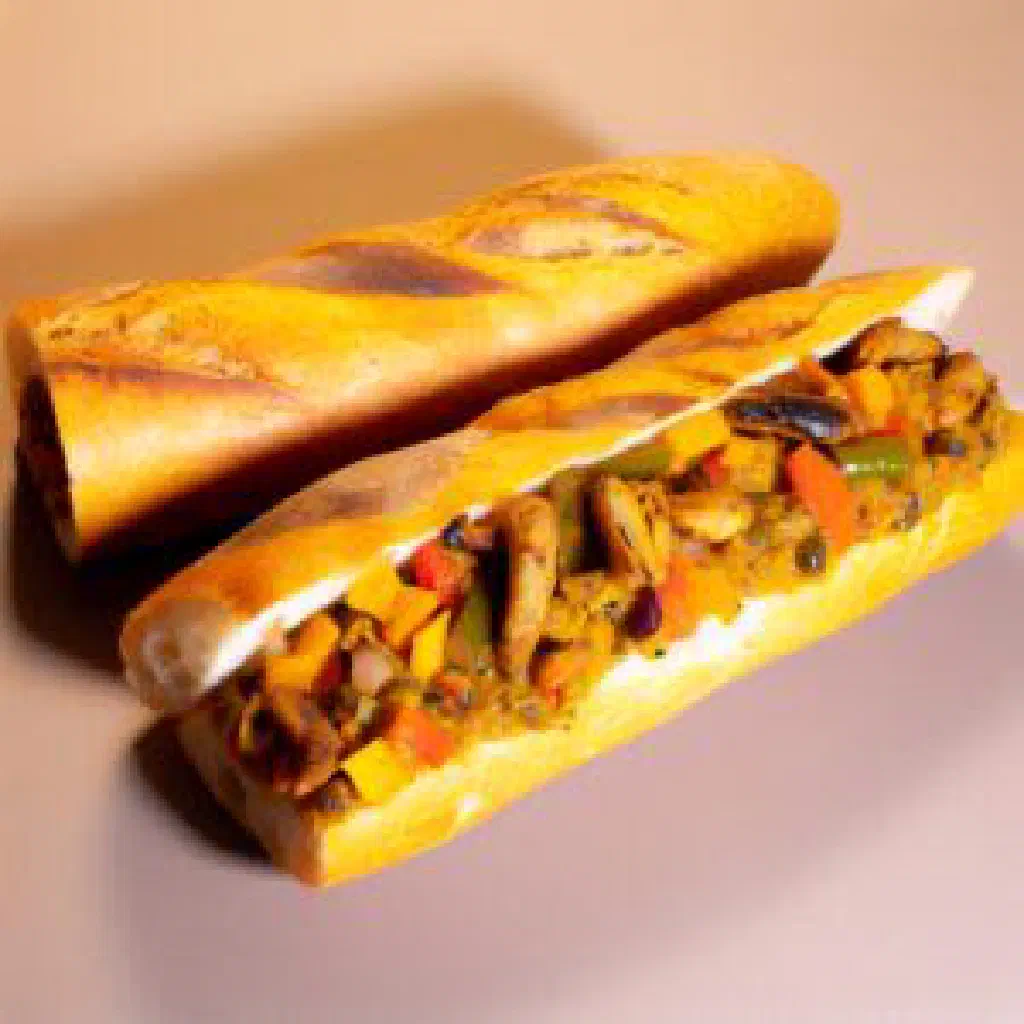
Discover the Mauritanian Baguette, a simple yet soulful bread that sits at the heart of everyday life in Mauritania. Baked fresh and served warm, it pairs beautifully with hearty stews or a simple drizzle of olive oil. Made from just a handful of pantry staples, it is proof that the best food is often the most humble. Bring a little of Mauritania straight into your own kitchen with this welcoming loaf.
About Mauritanian Baguette
The Mauritanian Baguette is far more than an everyday loaf; it is a symbol of Mauritanian culture and hospitality. Baked fresh and served throughout the day, it accompanies everything from hearty stews to a simple plate dressed with olive oil. The preparation is straightforward and calls for only a few ingredients found in almost any household. Let this bread carry the warmth and spirit of Mauritania directly into your home, whether alongside a rich Lamb Tagine or on its own.
Ingredients (serves 1–2)
- 250 g wheat flour
- 150 ml water
- 1 tsp salt
- 1 tsp yeast
- 1 tbsp olive oil
Shopping for the ingredients
The ingredients for a Mauritanian baguette are wonderfully easy to source. Visit your local supermarket or an organic shop to pick up fresh wheat flour, yeast and olive oil. Do choose good-quality products, as this can make a real difference to the flavour of your baguette. Above all, make sure the yeast is fresh, as this is essential for the dough to rise and develop properly.
Preparing the dish
Before you start baking, measure out all of your ingredients and have them ready to hand. This little bit of groundwork keeps everything running smoothly. Take the time to prepare a clean, well-floured work surface so you can knead the dough with ease. Keep your hands and utensils clean throughout to ensure hygienic, stress-free baking.
Step-by-step instructions
- Tip the flour into a bowl and stir in the salt and the yeast.
- Add the water and the olive oil, then combine everything until a dough begins to form.
- Knead the dough on a floured surface for around 10 minutes, until it is smooth and supple.
- Cover the bowl and leave the dough to rise in a warm spot for about an hour, until doubled in size.
- Shape the dough as you like, then leave it to prove again for roughly 30 minutes.
- Bake the baguette in a preheated oven at 220 °C for 20–25 minutes, until golden brown.
Gluten-free / lactose-free version
For a gluten-free version of the Mauritanian baguette, simply swap the wheat flour for a good-quality gluten-free flour blend. There are many excellent gluten-free flours that bake up beautifully. As the recipe uses olive oil rather than butter, it is naturally lactose-free, though it is always worth double-checking that every ingredient you use is free from dairy. This way the bread can be adapted to suit almost any dietary need.
Tips for vegans and vegetarians
The Mauritanian baguette is naturally vegan, as it contains no animal products whatsoever. This makes it a superb option for plant-based diets. Simply take care that any ingredients you add are plant-based too. Enjoy the bread with a selection of vegetable dips or vegan spreads to bring out even more flavour, much as you would with a warming bowl of Lentil Soup.
More tips and tricks
To get the best results when baking your baguette, a few simple tricks go a long way. A steamy oven helps create that very crisp crust; place a small tin of water in the oven while the bread bakes. Thorough kneading is just as important, as the better the dough is worked, the lighter and airier the crumb. Feel free to get creative by working herbs or spices into the dough.
Adapting the recipe to your taste
The simplicity of this baguette recipe makes it easy to tailor to your own preferences. Try adding olives, sun-dried tomatoes or fresh herbs to the dough for different flavours. Experiment with the texture by adjusting the amount of water. And don’t forget that the bread can also be made in a sweeter version by adding a little sugar or honey.
Ingredient substitutions
If you don’t have every ingredient to hand, there are plenty of alternatives. Instead of wheat flour you could use rye or spelt flour, though the flavour and texture of the baguette will vary slightly. If you have no yeast, baking powder can be used, but the result will not be quite the same. Think of these swaps as a creative challenge rather than a compromise.
Drink pairing ideas
Many drinks pair wonderfully with a Mauritanian baguette. A fresh mint tea is a traditional companion and complements the flavour of the bread beautifully. Fruity lemonades or sparkling water with a squeeze of lemon also work well. Try choosing your drinks to match the sides and dips you are serving alongside the baguette.
Serving and presentation ideas
The way you present your baguette can make a real difference. Serve the bread on a rustic wooden board or in a pretty basket for an inviting look. Fresh herbs such as rosemary or thyme can be arranged decoratively around the edge. Beautifully plated dips and spreads add a lively, colourful touch to the whole table.
A bit of history
The Mauritanian baguette has its roots in the long and richly layered history of Mauritania. Bread has always played a central role in Mauritanian cuisine, symbolising hospitality and togetherness. Historically, bread was often shared among families during communal meals. The baguette reflects the region’s local ingredients and the cultural traditions that shape the country, a heritage you can taste across the whole of Mauritanian cuisine.
More recipe ideas
Summary: Mauritanian Baguette
The Mauritanian Baguette is a delicious bread that brings together traditional flavours and simple, honest ingredients. With just a few steps you can bake this easy recipe at home and draw inspiration from Mauritania’s rich culture. This baguette is sure to become a favourite in your kitchen. Give it a try and bring a piece of Mauritania into your home.