National Dish Mauritania: Mhalbi (Recipe)
In this article
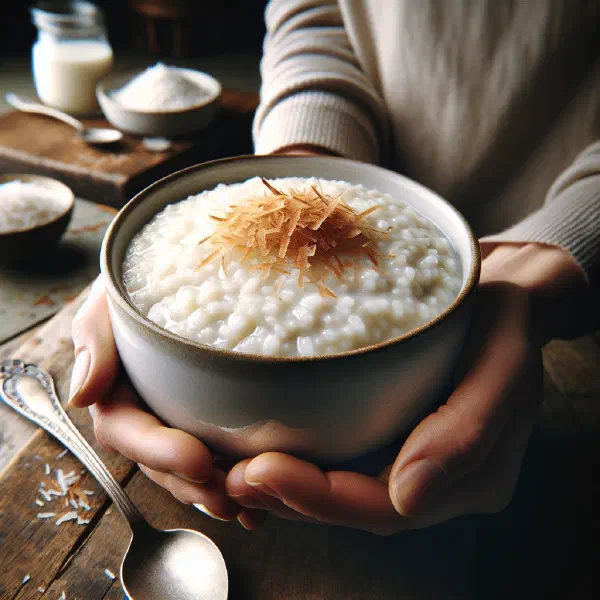
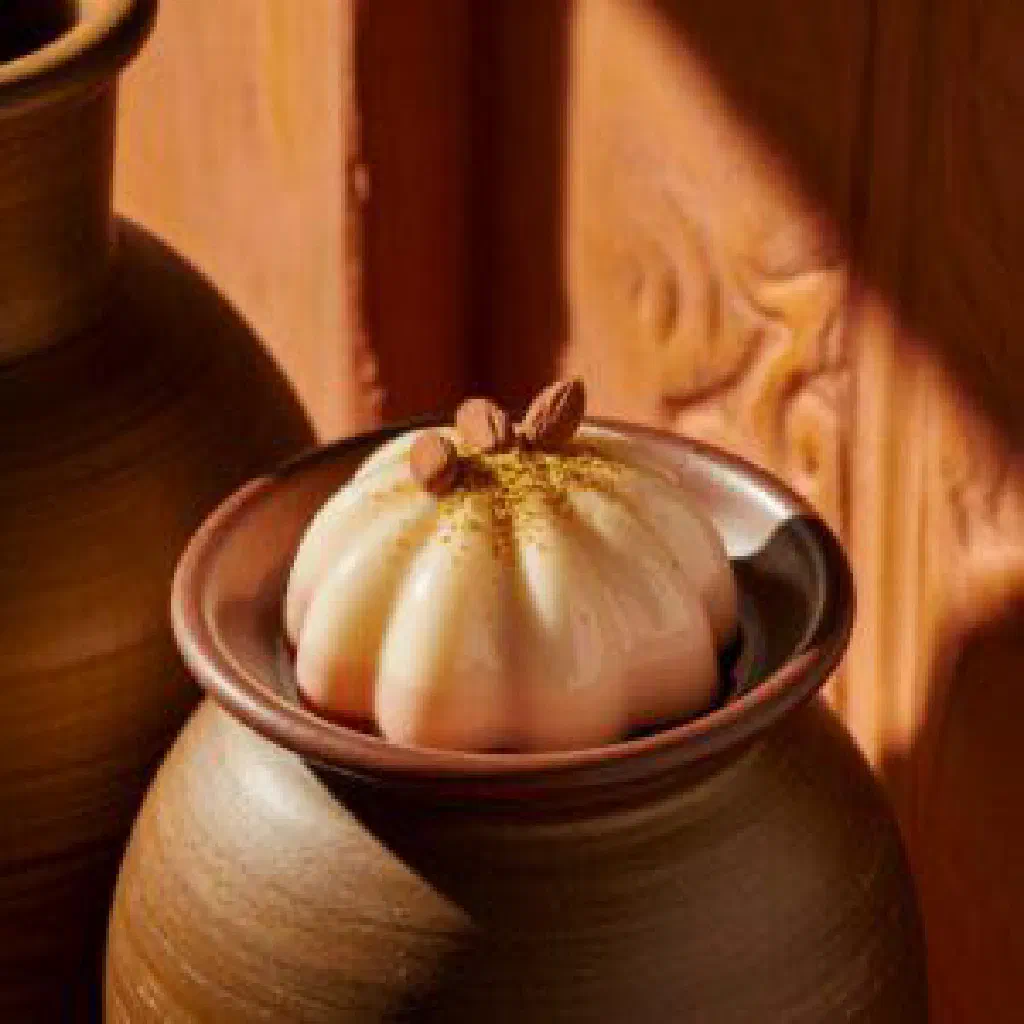
Meet Mhalbi, the fragrant dessert that Mauritania holds close to its heart. This silky rice pudding is gently perfumed with rosewater and warmed with cinnamon, then finished with a scattering of flaked almonds. Every spoonful carries the unmistakable aromas of North African cooking, delivering comfort and indulgence in equal measure. Mhalbi is a lovely way to round off a meal.
About Mhalbi
Mhalbi is a traditional national dish from Mauritania that is most often enjoyed as a dessert. At its heart is a creamy rice pudding enriched with almonds, rosewater and cinnamon. This culinary gem brings together the flavours of North African cooking, offering a memorable taste with every mouthful. Perfect for festive occasions or simply for savouring on any given day, Mhalbi is a genuine highlight on any dessert table.
Ingredients (serves 1–2)
- 100 g rice
- 500 ml milk
- 40 g sugar
- 1 tsp rosewater
- 1 tsp cinnamon
- 30 g almonds (flaked or ground)
- A pinch of salt
Shopping for the ingredients
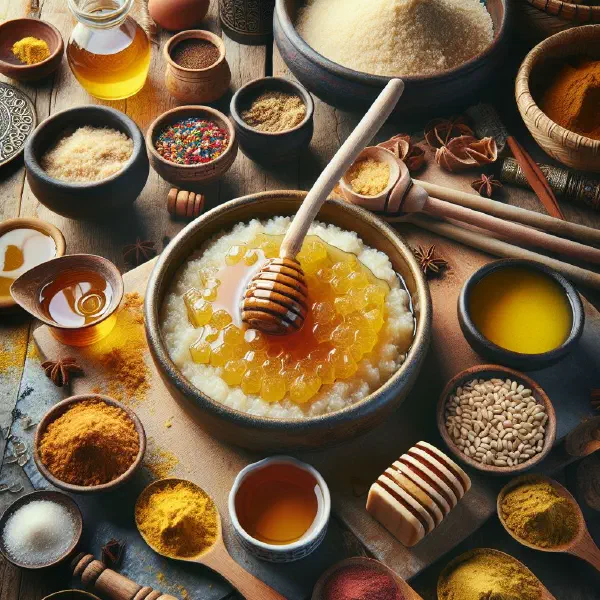
When shopping for the ingredients for Mhalbi, it is worth paying attention to the quality of the products. Ideally the rice should have a short cooking time to make preparation easier. Almonds are easy to find in a well-stocked supermarket or an Asian grocery, and flaked almonds give a lovely texture. Rosewater is usually available in Middle Eastern food shops or online.
Preparing the dish
Preparing Mhalbi is straightforward and takes only a few steps. First, the rice needs to be washed thoroughly to remove excess starch. Next, the rice is combined with the milk and a pinch of salt in a pan and brought to the boil over medium heat. Stirring constantly while it cooks helps to achieve a beautifully creamy result.
Step-by-step instructions
- Put the washed rice into a pan with the milk and a pinch of salt.
- Bring to the boil over medium heat, then reduce the temperature.
- Add the sugar and stir constantly until the rice is soft and the mixture is creamy.
- Stir in the rosewater and cinnamon.
- Spoon the Mhalbi into bowls and leave to cool.
- Sprinkle with flaked almonds and serve warm or cold.
Gluten-free / lactose-free version
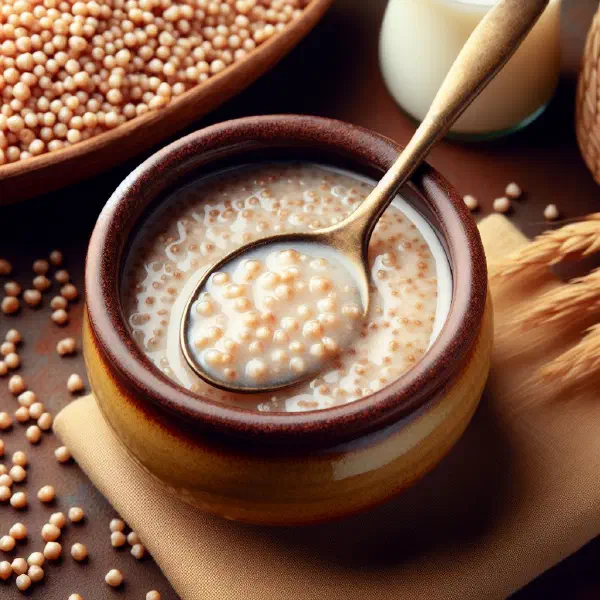
For anyone with a gluten or lactose intolerance, there are easy alternatives to the classic method of making Mhalbi. To keep the dish gluten-free, the rice can be swapped for quinoa or gluten-free oats. For a lactose-free version, simply use a plant-based milk such as almond or oat milk.
Tips for vegans and vegetarians
Vegan food lovers can make Mhalbi just as easily by replacing the milk with a plant-based alternative and adjusting the sugar. For sweetness, maple syrup or coconut sugar work well and keep the dish fully vegan. You can also use other nuts in place of the usual almonds to vary the recipe and boost its nutritional value. These tweaks let you enjoy the authentic taste of Mhalbi in a completely plant-based form.
More tips and tricks
To get the best results with Mhalbi, it is wise not to overcook the rice, since it needs to reach just the right creaminess. Letting the pudding cool for at least an hour after cooking improves the texture. When it comes to spices, feel free to experiment to discover which combinations suit your taste best.
Adapting the recipe to your taste
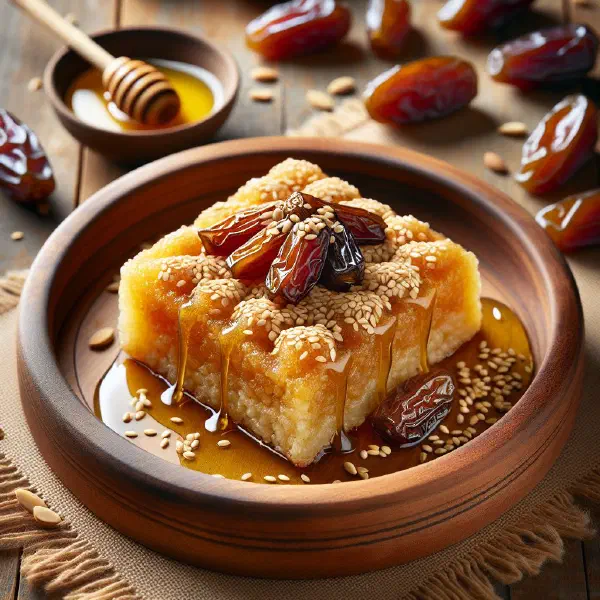
The beauty of Mhalbi lies in its versatility. Depending on your personal preference, the proportions of the ingredients can be adjusted. If you like things a little sweeter, you can increase the sugar or add some dates. The almonds can also be swapped for other nuts such as pistachios or walnuts to discover new textures and flavours. That way this traditional dessert becomes a fresh experience every time.
Ingredient substitutions
For a unique twist, alternative liquids can be used. In place of the usual milk, coconut milk works beautifully to add a tropical note, much like the creamy richness of Riz Au Lait De Coco. If you prefer something fruity, experiment with puréed fruit stirred through the pudding. Instead of rosewater, orange blossom water can be used to vary the flavour. Especially when making desserts, it is exciting to explore new taste combinations.
Drink pairing ideas
Mhalbi pairs wonderfully with a range of drinks. A mild mint tea brings out the aromas of the dessert beautifully, and you will find the same refreshing note in a cup of The A La Cannelle. Grenadine or a peppermint lemonade can also serve as refreshing companions. For special occasions, a chilled sweet white wine complements the sweetness of the Mhalbi perfectly. Experiment with different options to find your favourite match.
Serving and presentation ideas
Presentation can be key to the whole Mhalbi experience. Serve the dessert in transparent bowls so the different layers are visible. A garnish of extra cinnamon and flaked almonds, along with a few edible flowers, can lift the dish even further. A small sprig of mint adds a fresh touch. An inviting presentation makes the dessert all the more appealing.
A bit of history
Mhalbi has a long tradition in Mauritania and is often served on special occasions. This recipe reflects the cultural diversity and history of the region. Historically, Mhalbi was seen as a dessert and as a gesture of hospitality, and many families have their own secret recipe passed down from generation to generation. It is more than just a dish; it is a symbol of community and a love of good food, a treasured part of Mauritanian cuisine.
More recipe ideas
Summary: Mhalbi
In short, Mhalbi is a delicious dessert and a genuine cultural experience. The combination of creamy rice, almonds, rosewater and cinnamon gives this dish an incomparable aroma. With the flexibility to adapt it to personal preferences, it leaves plenty of room for creativity and enjoyment. Give Mhalbi a try and let the variety of North African cooking win you over.