National Dish Mauritania: Sfenj (Recipe)

In this article
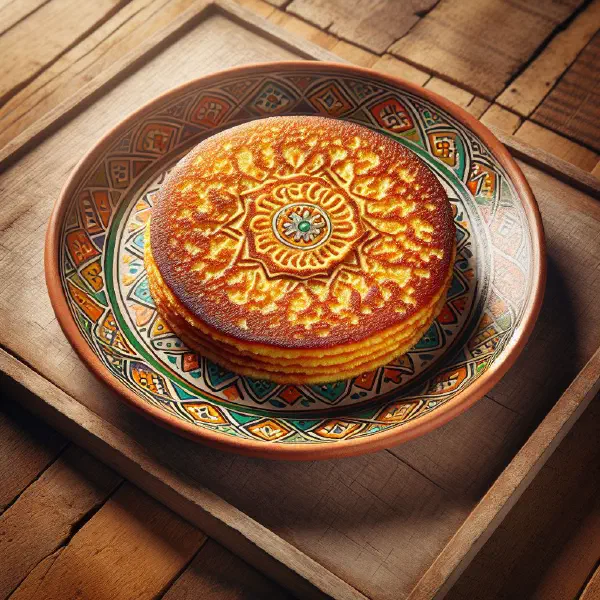
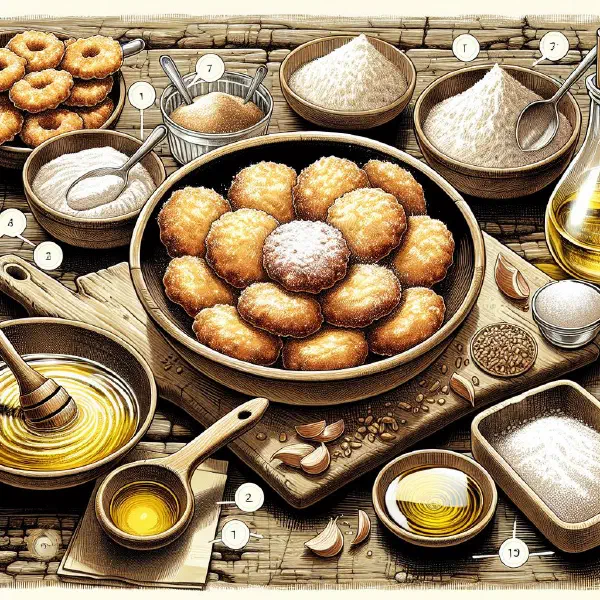
Meet Sfenj, Mauritania’s beloved fried doughnuts and one of the true stars of its street-food scene. Light and airy on the inside with a crisp, golden crust, these rings are made from the simplest of doughs. Just flour, water and yeast. Sfenj hold a special place in Mauritanian kitchens. Bring a little North-West African warmth to your own home with this easy, feel-good treat.
About Sfenj
Sfenj is far more than a simple snack. It is a genuine part of Mauritanian culture and tradition. These delicious fried doughnuts are prized for their airy texture and the golden-brown exterior that makes them so very good. They are built from a humble dough of nothing more than flour, water and yeast. Sfenj are most often served at breakfast or handed round as a snack during relaxed gatherings, which secures them a cherished spot in Mauritanian gastronomy.
Ingredients (serves 1–2)
- 250 g plain flour
- 150 ml water
- 1/2 sachet yeast (fresh or dried)
- A pinch of salt
- Sugar or honey, for dusting
- Oil, for deep-frying
Shopping for the ingredients
The ingredients for sfenj are available in almost any supermarket or local grocery. Be sure to use fresh yeast, as it is essential for the light, airy structure of the dough. If you prefer a healthier option, you can also choose wholemeal flour. And it is well worth picking a good-quality oil, since it has a real influence on the flavour of the finished sfenj.
Preparing the dish
Preparing sfenj is fairly straightforward, though it does call for a little patience. Once mixed, the dough needs enough time to rest so that the yeast can do its work. This is what allows the sfenj to puff up beautifully while they fry. It is also a good idea to set out a plate lined with paper towels to drain off any excess oil after frying.
Step-by-step instructions
- In a bowl, combine the flour, water, yeast and salt. Knead well until you have a smooth, even dough.
- Cover the dough and leave it to rise in a warm place for about 1 hour.
- Once risen, divide the dough into small pieces and shape each one into a round doughnut.
- Heat the oil in a pan and fry the doughnuts until golden-brown.
- Drain on a plate lined with paper towels and dust with sugar or honey to taste.
Gluten-free / lactose-free version
If you would like to avoid gluten, the recipe is easy to adapt by using gluten-free flour. There are plenty of high-quality gluten-free flour blends that work wonderfully for sfenj. As for lactose, there are no dairy ingredients in this recipe at all, so it is naturally lactose-free. Enjoy this traditional treat with complete peace of mind.
Tips for vegans and vegetarians
Sfenj are naturally vegan, so you can enjoy the doughnuts without a second thought. To vary the flavour, try stirring warm spices such as cinnamon or nutmeg into the dough. Serve the sfenj with plant-based honey or maple syrup as a sweet accompaniment to keep things fully vegan. These small tweaks make sfenj an even more appealing snack for every kind of diet.
More tips and tricks
An important tip when frying is to make sure the oil is at the right temperature so the sfenj cook through perfectly. If the oil is too cool the doughnuts soak up too much fat, while oil that is too hot will burn the outside before the inside is done. Take care not to make the holes in the doughnuts too small, so they have room to puff up. Experiment with different sweeteners or fillings to create your own creative variations, much as you might with Baghrir.
Adapting the recipe to your taste
One of the best things about sfenj is how adaptable they are. You can add fillings such as fresh fruit or chocolate for varied flavour experiences. The sweetness is easy to adjust too. Use less sugar, or take them in a savoury direction by mixing in herbs or spices. Let your own preferences guide you to shape these doughnuts exactly to your liking, in the same spirit as the sweet Beignets De Banane.
Ingredient substitutions
If you would rather not use wheat flour, alternatives such as rice flour or chickpea flour work beautifully. These flours give the sfenj a different texture and can be a little healthier too. For the sweetness, you can reach for stevia or agave syrup in place of sugar.
Drink pairing ideas
Sfenj pair wonderfully with a range of drinks. Enjoy the doughnuts with a cup of green tea, which balances their sweetness perfectly. A glass of mint tea or freshly squeezed orange juice also makes a refreshing accompaniment. Experiment with different pairings to build your ideal breakfast or snack experience.
Serving and presentation ideas
To serve sfenj attractively, arrange them on a pretty plate and garnish with fresh fruit. A little icing sugar or a scattering of lemon zest adds a lovely finishing touch. It is also a great idea to offer a few dips alongside, such as chocolate sauce or flavoured yoghurt dips. That way the whole experience is not only delicious but a feast for the eyes too.
A bit of history
Sfenj has deeply rooted cultural significance in Mauritania and is often served on special occasions. The traditional frying methods and recipes are frequently passed down from one generation to the next. Historically these doughnuts have been a symbol of togetherness, and sharing sfenj helps bring people together. These delicious rings are a genuine piece of Mauritanian identity and culture, one of many gems in Mauritanian cuisine.
More recipe ideas
Summary: Sfenj
In summary, Sfenj is a delicious and versatile treat that is both easy to make and rich in cultural heritage. Their airy texture and appealing flavour make them a highlight of any meal. Whether at breakfast, as a snack or at a celebration, sfenj are always a good choice. Let Mauritanian cooking inspire you and savour the wonderful variety of these doughnuts.