National Dish Mauritania: Zaalouk (Recipe)
In this article
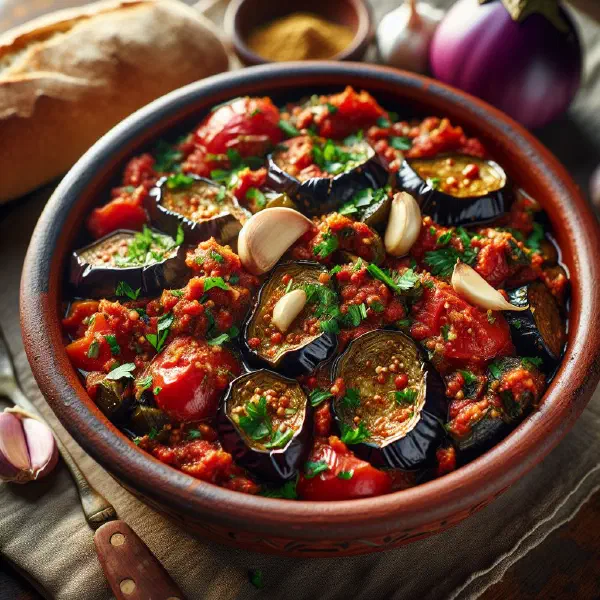
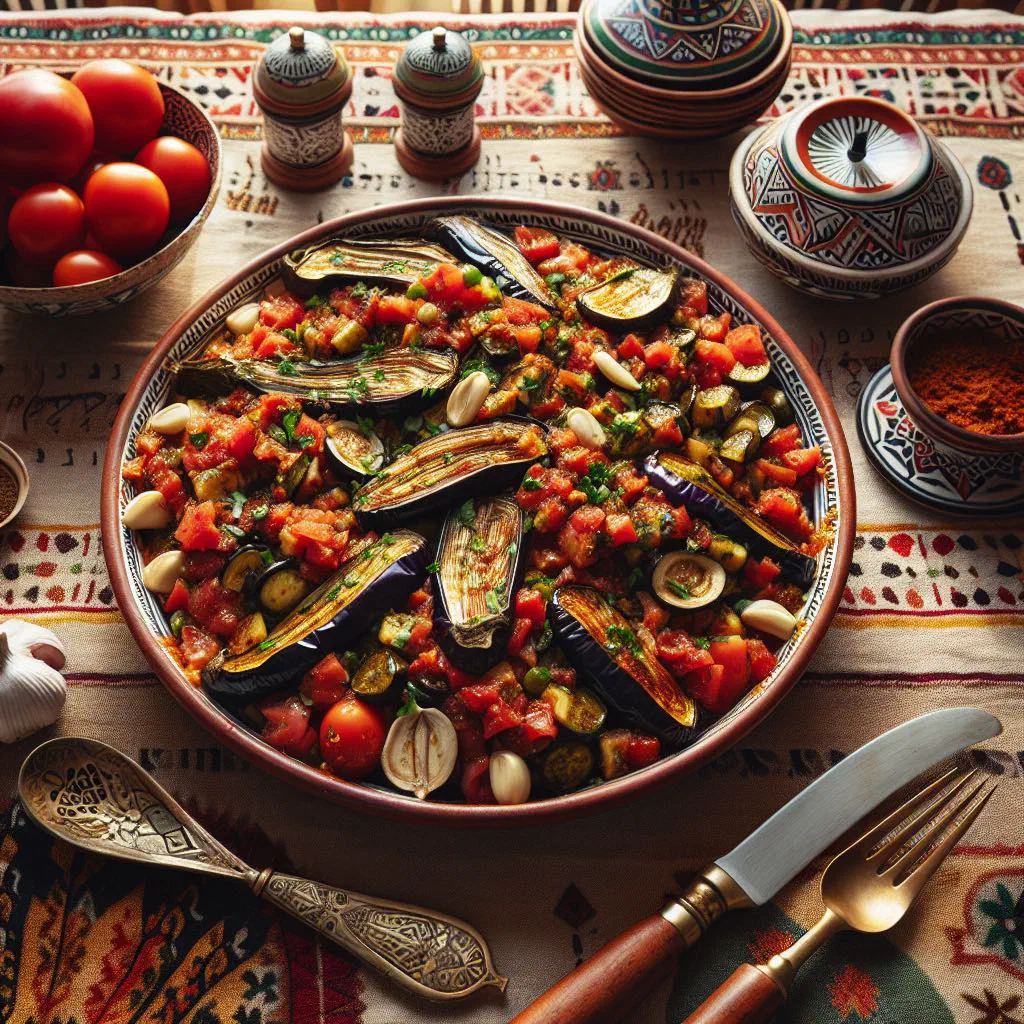
Meet Zaalouk, a traditional Mauritanian dish that looks simple at first glance yet delivers remarkable depth and complexity of flavour. Fried aubergines are cooked down with ripe tomatoes, garlic and a warm blend of spices to create a dish that is at once soft and lightly crisp. Often served as a starter or a side, it is perfect for sociable evenings built around sharing plates. Bring a taste of North Africa straight to your own table.
About Zaalouk
Zaalouk is a traditional dish from Mauritania that appears straightforward but offers wonderful depth and complexity in its aromas. It brings together fried aubergines with a generous mix of spices and ripe tomatoes to create a delicious, nourishing plate. The texture is especially appealing, as the aubergines turn out both crisp and tender at the same time. Zaalouk is frequently served as a starter or a side dish, making it ideal for convivial evenings where sharing food takes centre stage.
Ingredients (serves 1–2)
- 2 medium aubergines
- 3 ripe tomatoes
- 2 garlic cloves
- 1 teaspoon cumin
- 1 teaspoon paprika
- Olive oil (to taste)
- Salt and pepper (to taste)
- Fresh parsley or coriander, to garnish
Shopping for the ingredients
When shopping for zaalouk, it is important to pay attention to the quality of the aubergines and tomatoes. Choose ripe, firm aubergines, as they have a decisive influence on the flavour of the dish. For the tomatoes, reach for organic produce where you can, since it usually tastes better. It is also worth picking up fresh herbs such as parsley or coriander to garnish the dish and give it a special finishing touch.
Preparing the dish
Preparing Zaalouk is quick and easy. First, wash the aubergines and cut them into small cubes. Next, peel the tomatoes, which intensifies the flavour and improves the texture. Another important step is chopping the garlic, which lends the dish its characteristic savoury note. Make sure you have all the ingredients ready before you start cooking, so the whole process runs more smoothly.
Step-by-step instructions
- Heat a little olive oil in a pan and fry the diced aubergines over a medium heat until golden brown.
- Add the chopped garlic and the spices (cumin, paprika, salt and pepper) and cook briefly until the aromas are released.
- Stir in the diced tomatoes and let everything simmer for about 10–15 minutes, until the tomatoes are soft and the mixture turns silky.
- Stir the dish regularly and adjust the seasoning to taste.
- Serve zaalouk warm, garnished with fresh parsley or coriander.
Gluten-free / lactose-free version
Zaalouk is naturally gluten-free and lactose-free, which makes it an excellent choice for anyone with those allergies. Since the dish is made mostly from vegetables and spices, you can enjoy it without worry and without having to swap out any ingredients. If you would like to serve it with bread, simply be sure to choose a gluten-free loaf. That way you can keep the tradition alive without any health concerns.
Tips for vegans and vegetarians
Zaalouk is delicious and ideal for vegans and vegetarians. The dish contains no animal products, so it suits a range of diets. To make it even healthier, you can add extra vegetables such as peppers or courgettes. This brings more colour and nutrients to the plate and makes the dish even tastier, much like a hearty Tajine De Legumes.
More tips and tricks
An important tip when making Zaalouk is to sprinkle the aubergines with salt before frying and let them rest for a few minutes. This draws out excess water, which improves the frying and optimises the texture of the dish. You can also add a splash of lemon juice while cooking the tomatoes for an extra note of freshness. Experiment with different spices, such as a pinch of cinnamon, to discover new flavours.
Adapting the recipe to your taste
Another great feature of Zaalouk is how adaptable it is. Depending on your personal taste, you can vary the choice of spices or add extra ingredients such as olives or feta cheese. For a spicy kick, you can also scatter in a little chilli or cayenne pepper. The possibilities are almost endless, so you can adjust the recipe to suit your own palate exactly.
Ingredient substitutions
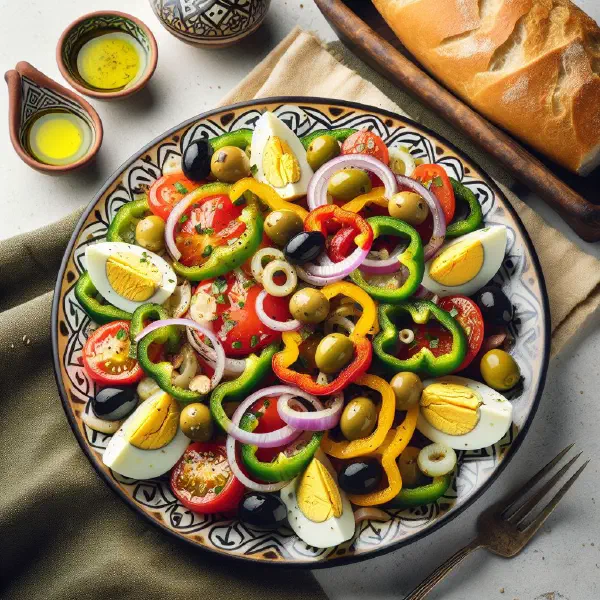
If you do not have all the ingredients for Zaalouk to hand, or you have an allergy, there are a few alternatives you can use. For example, courgettes or peppers can stand in for aubergines. With the spices, you can experiment and use smoked paprika to achieve a unique flavour. Substitutions like these can give the dish a fresh lease of life and surprise your palate, a similar spirit to the smoky Salade Mechouia.
Drink pairing ideas
To round off the flavour of Zaalouk, a variety of drinks work beautifully. A refreshing mint tea pairs perfectly with the dish’s spiced aromas and is a beloved drink across many North African countries. Alternatively, you could try a cool sparkling water with lemon, or even a light red wine, depending on what you prefer. The choice of drink can elevate the whole dining experience and add to the relaxed atmosphere.
Serving and presentation ideas
The presentation of Zaalouk is also an important part of setting the right mood. Serve the dish in an attractive bowl and garnish it with freshly chopped coriander or parsley. A drizzle of olive oil over the top can further improve the look. Sides such as fresh Pain Maure or vegetables can be arranged appealingly on the plate to create an appetising spread.
A bit of history
Zaalouk has its roots in the robust cuisine of North Africa, shaped by a variety of cultural influences. Traditionally it was served by hand and often enjoyed as part of a larger meal, accompanied by fresh bread. The combination of spices is characteristic of the region and reflects the history of trade that brought spices from the Orient. This dish is a treat for the palate and a storyteller, bearing witness to the multicultural identity of Mauritanian cuisine.
More recipe ideas
Summary: Zaalouk
To sum up, Zaalouk is a simple yet flavourful dish that can serve as both a starter and a side. Its versatility makes it a perfect choice for every kind of eater, whether vegan, vegetarian or meat lover. With a few fresh ingredients and the right spices, you can bring a piece of Mauritanian culture into your own kitchen. Dare to discover these aromas and enrich your menu with this special dish.