National Dish Mauritius: Beurre de Manioc (Recipe)
In this article
Discover Beurre de Manioc, a creamy, aromatic cassava mash that captures the culture and traditions of Mauritius in every spoonful. Buttery, garlicky and wonderfully comforting, this island classic proves that the simplest ingredients often make the most memorable dishes. Let this heavenly taste of the Indian Ocean win you over.
About Beurre de Manioc
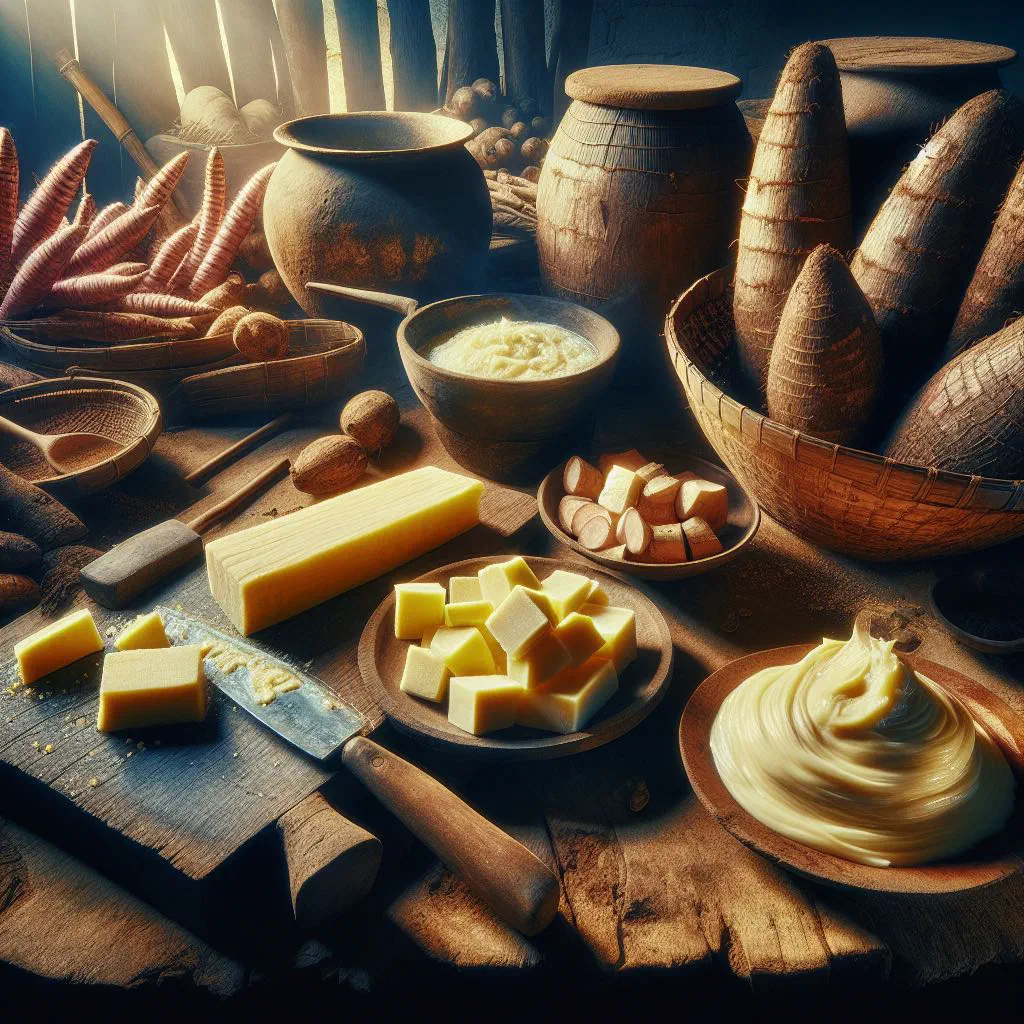
Beurre de Manioc is a classic dish from Mauritius, prized for its delicious flavour and its wide range of uses. It is essentially a cassava mash that is often served as a side to all sorts of dishes. The paste is valued for its wonderful taste and for its nourishing qualities. In this article you will find everything you need to know about preparing Beurre de Manioc and the many ways to enjoy it.
Ingredients (serves 1–2)
- 250 g cassava
- 50 g butter
- 1 garlic clove, chopped
- Salt and pepper to taste
- Fresh herbs (such as parsley or chives), to garnish
Shopping for the ingredients
To make Beurre de Manioc you will need fresh cassava, which you can usually find in Asian or African grocery shops. Take care to choose good-quality cassava roots that are firm and free of blemishes. The other ingredients, such as butter and garlic, are easy to pick up in any supermarket. For fresh herbs, head to a local market or your greengrocer.
Preparing the dish
Before you start cooking, it is important to rinse the cassava thoroughly under cold water to remove any dirt and impurities. Peel the cassava roots carefully, as the skin can contain toxic compounds. Then cut the peeled cassava into small pieces to shorten the cooking time. Good preparation saves time and ensures the ingredients cook evenly.
Step-by-step instructions
- Place the cleaned and peeled cassava in a pan of boiling water and cook for about 20 minutes, until soft.
- Drain the cooked cassava and transfer it to a bowl.
- Add the butter and the chopped garlic and mash everything well until you have a smooth, even paste.
- Season with salt and pepper and stir in fresh herbs to taste.
- Spoon the mash into a serving bowl and garnish as you like.
Gluten-free / lactose-free version
Beurre de Manioc is naturally gluten-free and can easily be adapted to lactose-free diets by using a lactose-free margarine in place of regular butter. Prepared this way, the dish is suitable for anyone with an intolerance. Do check all your ingredients for any hidden lactose. With these small adjustments you can enjoy Beurre de Manioc without a second thought.
Tips for vegans and vegetarians
For vegans, Beurre de Manioc is simple to prepare. Just replace the butter with a plant-based alternative. This version has the same creamy taste and texture you would expect from the dish. You can also try adding more herbs or spices to intensify the flavour. Vegetarians can enjoy the recipe in its original form without any changes at all.
More tips and tricks
When making Beurre de Manioc, feel free to experiment with different spices to vary the flavour. A hint of chilli or smoked paprika, for example, gives the dish a pleasantly spicy edge, fans of heat might also enjoy crisp Gateau Piment alongside. Another tip is to soak the cassava briefly before cooking to shorten the cooking time and achieve an even consistency. Always use fresh ingredients to bring out the very best aroma.
Adapting the recipe to your taste
Beurre de Manioc is easy to adjust to your own preferences. If you prefer a lighter version, reduce the amount of butter or consider a drizzle of olive oil instead. For special occasions you can also fold in cheese or nuts to give the dish extra texture.
Ingredient substitutions
If cassava is not available where you live, yam or sweet potatoes make good alternatives. These root vegetables have a similar consistency and deliver much the same effect, sweet potato lovers should also try the classic Gateau Patate. When swapping out the butter, plant-based options such as coconut oil also give excellent results. Think about which ingredients suit you best, based on your own preferences.
Drink pairing ideas
Beurre de Manioc goes beautifully with refreshing drinks such as a fruity smoothie or a cool iced tea. If you prefer to serve alcohol-free drinks, a glass of sparkling water with a squeeze of lime is an excellent choice, or try Alouda, the beloved Mauritian milk drink. For a more festive menu, white wines or cocktails that complement the flavours of the food are also worth considering. Choose a drink that supports the aroma of the dish.
Serving and presentation ideas
Thoughtful presentation can heighten the pleasure of Beurre de Manioc. An attractive serving bowl and a decorative garnish of herbs lift the dish instantly. You can also set out small dipping bowls with extra sides to give your guests a choice. The way the food is arranged underlines the special character of the dish and whets the appetite.
A bit of history
Beurre de Manioc has its roots in Mauritian cuisine, which is strongly shaped by African, French and Indian influences. Cassava is one of the most important crops in tropical regions and has been used in many traditional Mauritian dishes for centuries. Making Beurre de Manioc is a tribute to local agriculture and the island’s connection to nature. The dish reflects the rich culinary history and cultural heritage of Mauritius.
More recipe ideas
Summary: Beurre de Manioc
With its rich depth of flavour and countless possibilities for variation, it suits vegans and vegetarians alike. By using fresh ingredients and a few creative tweaks, you can shape the recipe entirely to your liking. Use the tips and tricks above to turn Beurre de Manioc into a memorable experience.