National Dish Mauritius: Haleem (Recipe)
In this article
Discover Haleem, the slow-cooked stew that Mauritians queue up for. This deeply comforting dish brings together meltingly tender meat, hearty grains and a heady blend of warming spices, all simmered down to a silky, spoonable richness. A true feast-day favourite on the island, it rewards a little patience at the stove with flavour that lingers long after the last spoonful.
About Haleem
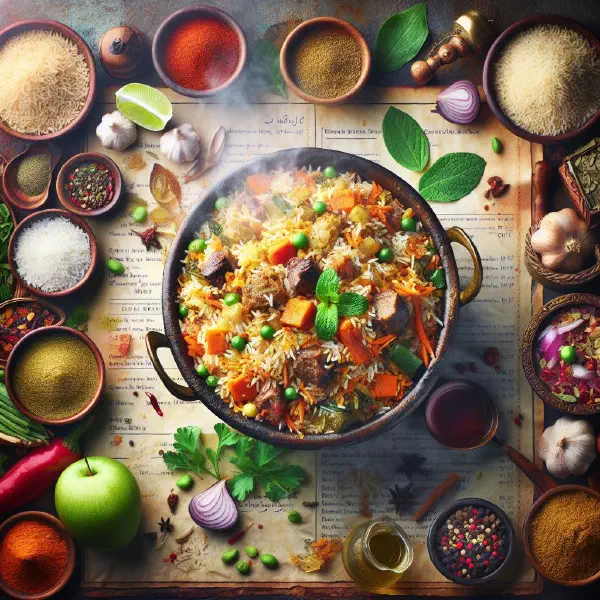
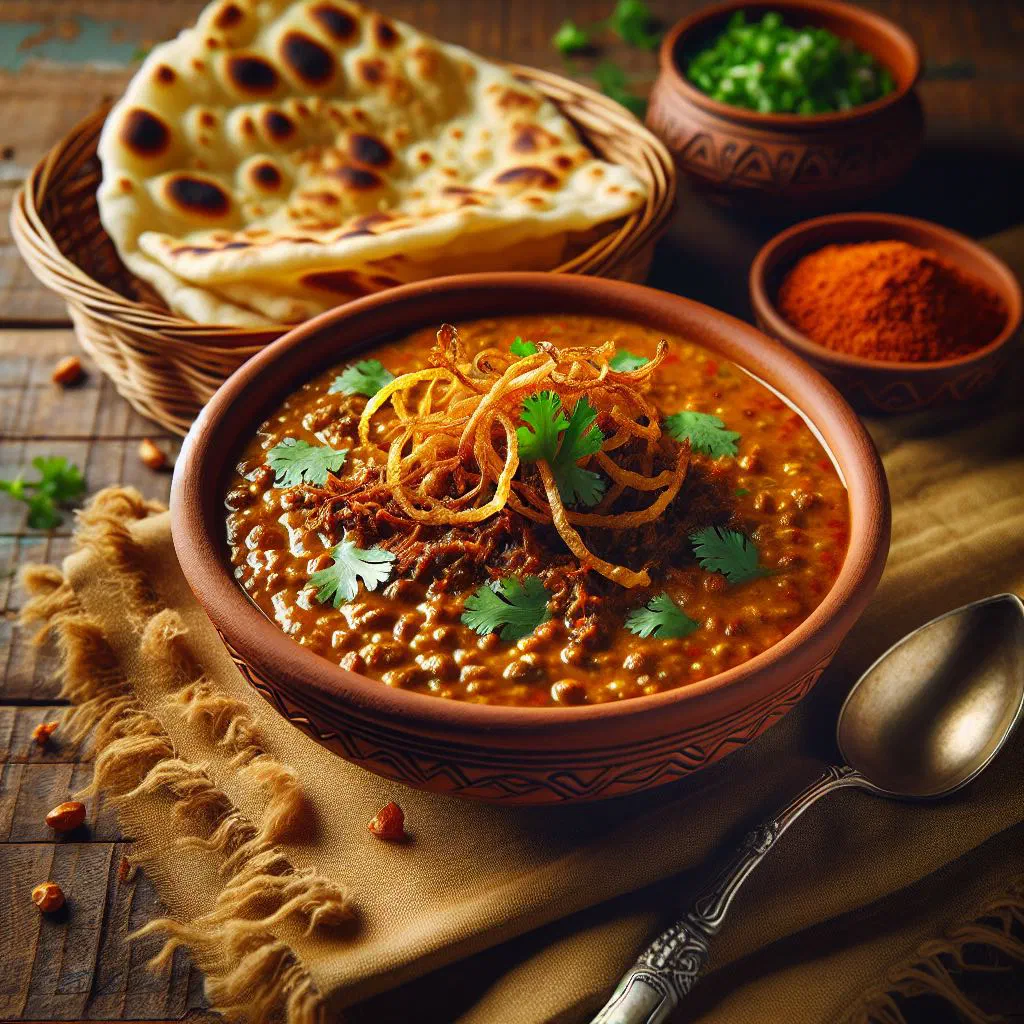
Haleem is a traditional dish from Mauritius, known for its hearty, creamy consistency. The main ingredients are tender meat, well-seasoned grains and a whole array of aromatic spices that make the dish an absolute pleasure for food lovers. Simmered slowly and skilfully, haleem develops its full depth of flavour and ensures every bite melts on the tongue. Its preparation is an important part of local culture and community, and it is often cooked in large batches and served at festive occasions.
Ingredients (serves 1–2)
- 250 g tender meat (beef or chicken)
- 100 g wheat or barley grains
- 1 large onion, diced
- 2 garlic cloves, chopped
- 1 teaspoon ginger paste
- 1 teaspoon cumin
- 1 teaspoon garam masala
- Salt and pepper to taste
- Oil for frying
- Water (as needed)
Shopping for the ingredients
To make the perfect haleem, the ingredients should be fresh and of good quality. When choosing the meat, look for cuts that are as tender as possible and nicely marbled to guarantee the best flavour. The grains, whether wheat or barley, should be unhulled and fresh. Spices play a decisive role, so it is worth buying whole spices and grinding them freshly to release their full aroma.
Preparing the dish
Good preparation is essential before you start cooking haleem. Begin by soaking the grains in water overnight to soften them. This shortens the cooking time considerably and improves the final texture. Measure out all the ingredients and cut the vegetables into small pieces to ensure everything cooks evenly. Preparing your ingredients in advance keeps the process running smoothly and makes cooking far more enjoyable.
Step-by-step instructions
- Heat the oil in a large pot and fry the diced onions until golden brown.
- Add the garlic and ginger paste and fry briefly.
- Add the meat to the pot and brown it on all sides.
- Stir in the spices (cumin, garam masala, salt and pepper) until everything is well combined.
- Pour in enough water to cover the meat and let it simmer for at least 1–2 hours.
- After this cooking time, add the soaked grains and continue cooking until everything is soft and creamy.
- Blend the mixture with a stick blender or in a jug blender until it reaches your preferred consistency.
- Serve the haleem hot with fresh herbs and perhaps a squeeze of lemon.
Gluten-free / lactose-free version
For a gluten-free version, the grains can be replaced with gluten-free pseudo-grains such as quinoa or buckwheat. These options bring an alternative flavour and extra nutrients. Since haleem contains no dairy by nature, it is already lactose-free. When buying spices and stocks, always check that these are gluten-free too, so there are no surprises.
Tips for vegans and vegetarians
A vegan version of haleem is easy to make by swapping the meat for your favourite plant proteins, such as lentils, chickpeas or seitan. The onions, garlic and ginger can be kept in the same proportions, so the dish holds on to its characteristic flavour. To achieve a creamy consistency, it helps to add some plant-based cream or coconut milk. Spices are crucial for building the aroma, so do not hesitate to use them generously, the same approach that makes a good Dhal Curry so satisfying.
More tips and tricks
To make your haleem even more flavoursome, garnish it with fresh herbs such as coriander or mint before serving. A splash of lemon juice just before the dish reaches the table adds a fresh note and lifts the aromas. Haleem also keeps well when made in advance. It can taste even better the next day, as the flavours have had time to settle. Another tip is to let the haleem rest overnight in the fridge to deepen the flavour.
Adapting the recipe to your taste
Haleem is an extremely adaptable dish. You can vary the meat and use lamb, for example, or even fish. To make it more fiery, add extra chillies or cayenne pepper. If you prefer it milder, simply reduce the spices to taste. If lamb curries appeal to you, the island’s Carri Dagneau is well worth exploring too. Remember to adjust the ingredients to your personal preference to create the perfect eating experience.
Ingredient substitutions
When making haleem, you can also experiment with the grains. Instead of wheat or barley, millet or spelt can be used, adding interesting flavours and textures. For a vegan take, a plant-based burger patty or tofu can stand in for the meat. Remember to adapt the accompaniments as well, for instance by swapping yoghurt for a plant-based alternative.
Drink pairing ideas
Haleem pairs wonderfully with a range of drinks. A fresh mint tea or a yoghurt drink such as a chilled Lassi can balance the heat of the dish and provide a pleasant contrast. Lightly sparkling water with lemon or lime is another excellent choice. If you fancy something in the alcoholic direction, an alcohol-free beer or a mild white wine harmonises nicely.
Serving and presentation ideas
To present haleem attractively, use large shallow bowls or deep plates. Sprinkle the dish with freshly chopped herbs and a touch of paprika or chilli for colour. Small bowls of accompaniments such as onions, mint or yoghurt alongside the haleem make the dish even more inviting, a warm Farata flatbread on the side works beautifully too. Finally, place half a lemon decoratively at the edge of the plate to give the whole dish a fresh touch.
A bit of history
Haleem has a history and is considered a dish with royal heritage, originating in the Middle East before travelling to India and on to Mauritius. It was traditionally served at festive occasions and special celebrations. In Mauritius, haleem is a symbol of culture and tradition, reflecting the island’s wide-ranging culinary influences and its place in Mauritian cuisine. Making haleem is often a communal event, with families and friends coming together to enjoy this delicious dish.
More recipe ideas
Summary: Haleem
Haleem is more than just a dish; it is a culinary experience that seduces the senses and nourishes the soul. With its rich ingredients and warm, fragrant spices, it is an outstanding choice for any occasion. Haleem offers plenty of room to experiment with flavours and textures. Let this traditional dish inspire you and set off on a journey into the exquisite culinary world of Mauritius.