National Dish Mauritius: Methi Paratha (Recipe)
In this article
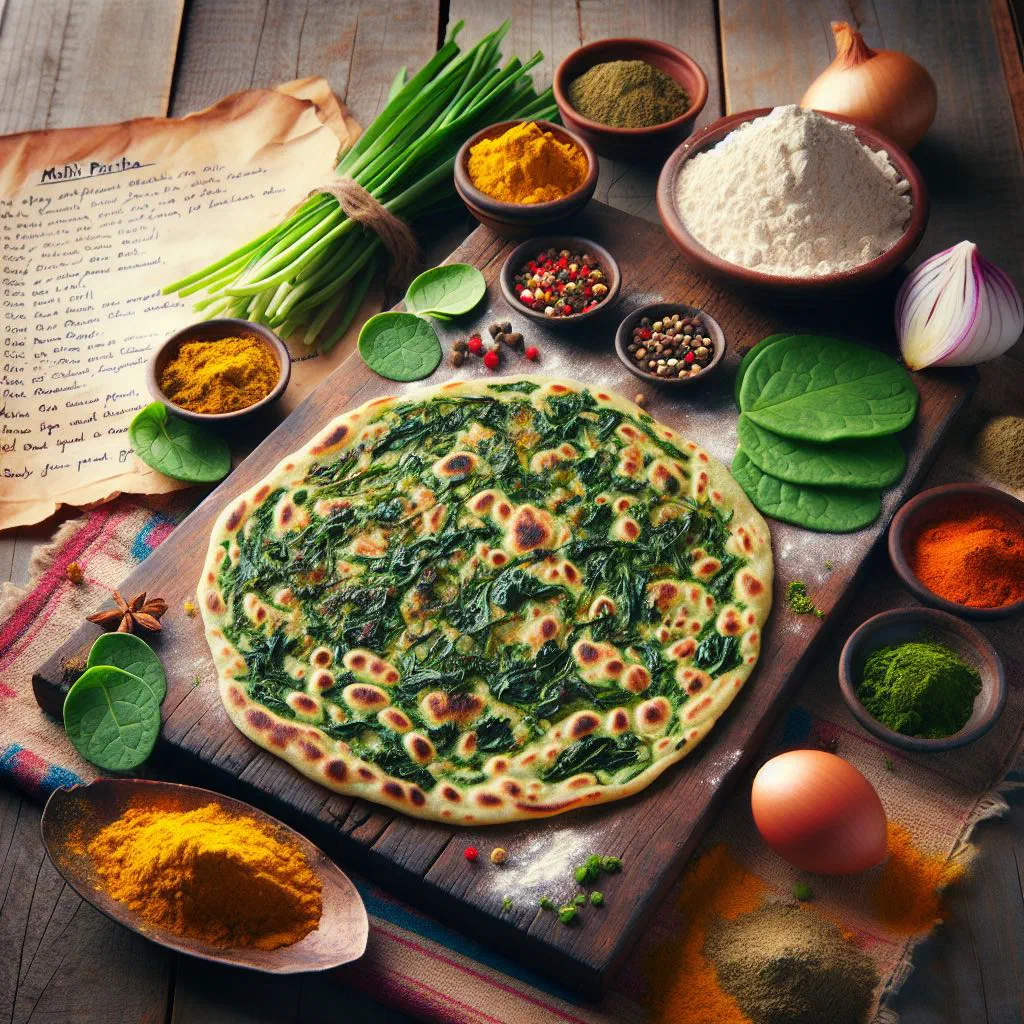
Discover Methi Paratha, a wonderfully fragrant flatbread from Mauritius. Fresh fenugreek leaves lend the tender dough a distinctive, gently nutty flavour that makes these griddled breads very good, whether served alongside a spicy curry or enjoyed on their own as a snack. It is a delicious first step into the exotic world of Mauritian cooking.
About Methi Paratha
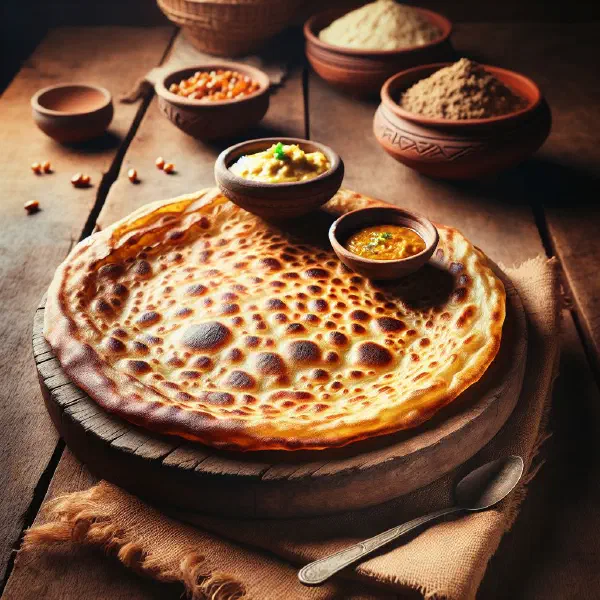
Methi Paratha is a traditional dish from Mauritius, distinguished by its unmistakable taste and exceptional aroma. It brings together the nutty character of fresh fenugreek leaves with the soft, tender dough of a flatbread. The combination of flavours pairs beautifully with spicy curries, a Dhal Curry, for instance, or works simply as a snack between meals. It is delicious and a wonderful way to get to know Mauritian cooking and discover new culinary traditions.
Ingredients (serves 1–2)
- 1 cup wholemeal flour
- 2 tablespoons freshly chopped fenugreek leaves (methi)
- 1/2 teaspoon cumin
- 1/2 teaspoon salt
- Warm water (as needed)
- Oil or ghee (for frying)
Shopping for the ingredients
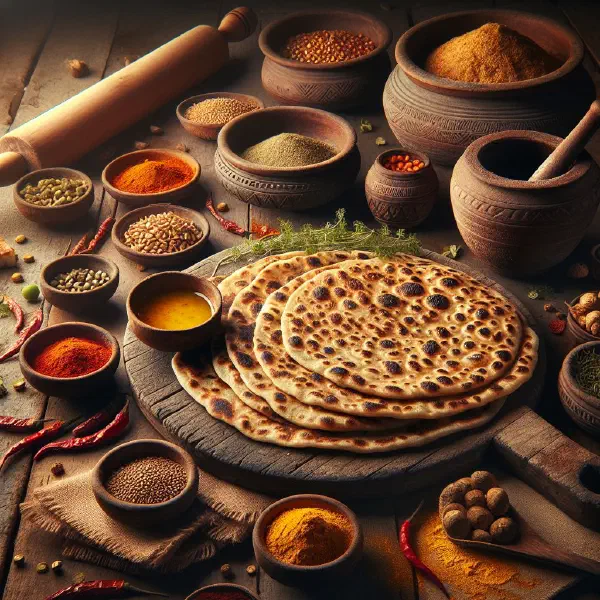
To make the perfect methi paratha, pay close attention to the quality of your ingredients. Look for fresh fenugreek leaves with an intense flavour and an appealing aroma. It is equally important to choose good wholemeal flour, as this forms the foundation of a soft, pliable dough. Spices such as cumin are essential for giving the dish its characteristic note, so use fresh, good-quality ones.
Preparing the dish
The preparation for methi paratha is simple and straightforward. Start by washing the fenugreek leaves thoroughly and chopping them finely. Then mix the dry ingredients in a bowl before adding the chopped leaves. Add the warm water gradually until a smooth dough comes together. It should be soft and elastic enough to handle easily.
Step-by-step instructions
- Mix the wholemeal flour, chopped fenugreek leaves, cumin and salt in a large bowl.
- Gradually add warm water and knead the dough until it is soft and supple.
- Let the dough rest for around 20–30 minutes so it can relax.
- Divide the dough into small portions and shape them into balls.
- Roll out each ball on a floured surface until thin.
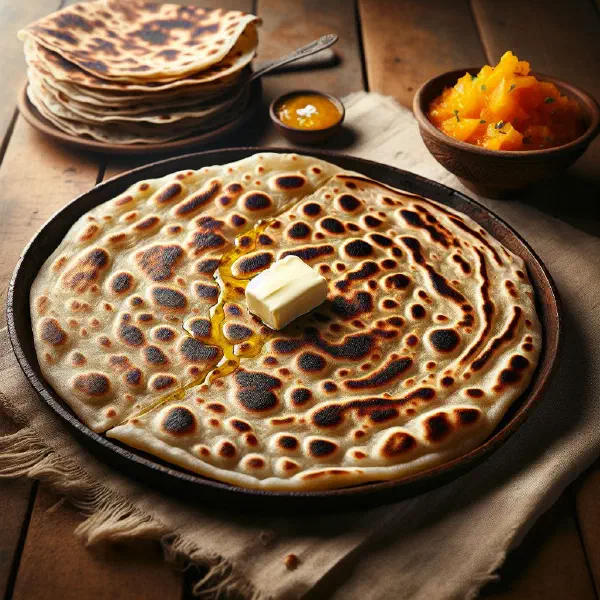
- Heat a pan over medium heat and fry each paratha on both sides until golden brown.
- Add a little oil or ghee to taste, to deepen the flavour.
Gluten-free / lactose-free version
For a gluten-free take on methi paratha, use a gluten-free flour such as rice or buckwheat flour. Bear in mind that the consistency of the dough may need slight adjusting. For a lactose-free version, reach for plant oils and replace the ghee with coconut oil. These tweaks preserve the dish’s lovely flavour and texture.
Tips for vegans and vegetarians
Methi paratha is naturally plant-based and an excellent choice for vegans. Just make sure the ingredients you use, particularly the frying oil, contain no animal products. To make the recipe even more nutritious, you can work in extra vegetables such as spinach or carrots. That way you add valuable vitamins and make the dish even more varied.
More tips and tricks
To make sure your methi paratha turns out perfectly, watch the pan temperature. Too much heat can scorch the paratha on the outside while it stays raw within. A little practice with the rolling pin helps you hit the perfect thickness. Experience shows it is better to roll out the pieces of dough one by one rather than preparing them all at once, the dough stays supple and is easier to work with.
Adapting the recipe to your taste
The methi paratha recipe is easy to adapt to personal preference. You can add different spices to vary the flavour, for example, or use alternative herbs such as coriander. The texture can be tweaked too: add a little less water for a crisper dough. Vary the fillings for even more variety, a mix of cheese or other vegetables works well.
Ingredient substitutions
If you have no fenugreek leaves to hand, you can replace them with other leafy greens such as spinach or chard. For a spicier experience, try white or black sesame seeds. When it comes to the flour, spelt flour is another option if you fancy a slightly nutty note. Substitutions like these let you cook creatively and still end up with a delicious result.
Drink pairing ideas
To round off your methi paratha, refreshing drinks such as a mango lassi, try a Mauritian-style Lassi, or a simple glass of sparkling water with a squeeze of lemon are ideal. A mint herbal tea also makes a lovely companion to this savoury dish. For an island classic, a chilled Alouda or a freshly squeezed orange juice supports the flavours in the dish while keeping things refreshing.
Serving and presentation ideas
Presentation plays a key role when serving your methi paratha. Arrange the freshly griddled parathas on a large platter and garnish them with fresh herbs and diced tomatoes. A side salad of cucumber and onion brings a fresh note and an appealing splash of colour. Small bowls of assorted dips and chutneys, a Coconut Chutney, for example, enrich the whole experience.
A bit of history
The roots of methi paratha run deep in Mauritian cuisine, where the use of fenugreek leaves has a long tradition. People in Mauritius treasure this dish for its taste and for its health benefits. Fenugreek leaves are rich in vitamins and minerals and are considered a superfood. The dish reflects the diversity and the many cultural influences of Mauritius, making it a significant part of the island’s culinary identity.
More recipe ideas
Summary: Methi Paratha
Methi paratha is a delicious, many-layered dish that brings the flavours of Mauritius into your home. It adapts easily to different dietary needs and never fails to impress with its fresh ingredients. With a few simple steps and the right technique, you can enjoy a piece of Mauritian culture on your plate. Let the intense aromas and the wealth of tips inspire you, and treat your family and friends to this wonderful dish.