National Dish Mauritius: Napolitain (Recipe)
In this article
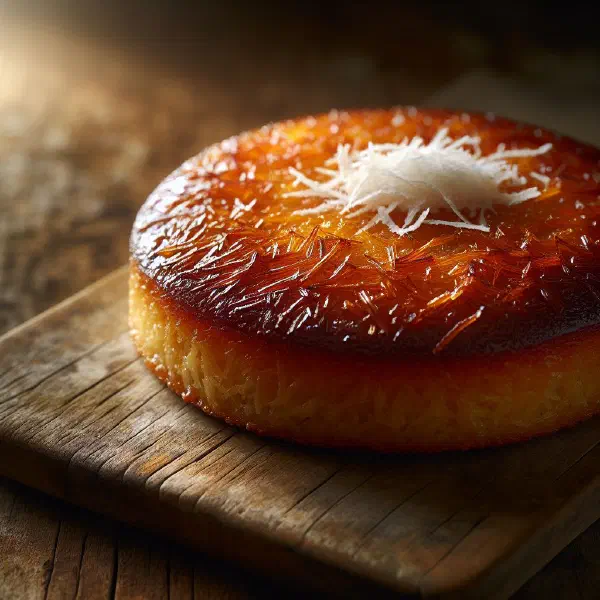
Meet the Napolitain, one of Mauritius’s most cherished sweet treats: two layers of melt-in-the-mouth shortcrust pastry sandwiched around fruity jam and crowned with a glossy sugar glaze. This step-by-step guide walks you through baking the little island classic at home, complete with clever tweaks for gluten-free, lactose-free and vegan diets, plus a look at the fascinating history behind a biscuit that sums up the multicultural spirit of Mauritian baking.
About Napolitain
The Napolitain is a traditional pastry from Mauritius with roots in the island’s wonderfully diverse culture. It is built from delicate layers of tender dough filled with luscious jam and finished with a glazed layer of sugar. It brings the tropical charm of Mauritius straight to your home.
Ingredients (serves 1–2)
- 150 g flour
- 75 g butter (softened)
- 50 g sugar
- 1 egg
- 50 g jam (apricot or strawberry, for example)
- 1 pinch of salt
- 1 tsp baking powder
- For the glaze: 100 g icing sugar and 2 tbsp water
Shopping for the ingredients
To bake a delicious Napolitain, pick up everything you need at a supermarket or a well-stocked grocer. Pay particular attention to the quality of the jam, as it forms the heart of the filling. Fresh butter and good-quality flour also make a real difference to the depth of flavour. The deli section often carries interesting jam varieties too, opening the door to creative twists on the classic Napolitain.
Preparing the dish
Before you start on the Napolitain, measure out all the ingredients and set them within easy reach. It makes the whole process quicker and simpler. Preheat the oven to 180 degrees Celsius so it reaches the right temperature in good time. A clean work surface and the right tools are just as important for achieving the best possible result.
Step-by-step instructions
- Combine the flour, baking powder, sugar and salt in a bowl.
- Add the softened butter and the egg, then knead everything into a smooth dough.
- Divide the dough into two equal portions and roll each one out.
- Lay one sheet of dough on a baking tray and spread it evenly with the jam.
- Place the second sheet of dough on top and press the edges down firmly.
- Bake in the preheated oven for around 25–30 minutes, until the pastry is golden brown.
- For the glaze, stir the icing sugar into the water and pour it over the pastry once it has cooled.
Gluten-free / lactose-free version
To make a gluten-free Napolitain, simply swap the wheat flour for a gluten-free flour blend, and double-check that your jam is gluten-free as well. For a lactose-free version, replace the butter with a plant-based alternative such as margarine or coconut oil. The pleasure stays exactly the same while keeping the relevant intolerances in mind.
Tips for vegans and vegetarians
For a fully vegan bake, replace the egg with a substitute such as apple purée or ground linseed. Both help the dough hold its proper consistency. Take care with the jam too, making sure it contains no animal-derived ingredients. Using plant-based fats such as coconut oil or margarine keeps the Napolitain not only vegan but every bit as delicious.
More tips and tricks
One key tip when making the Napolitain is not to overwork the dough, so its tender crumb stays intact. If you prefer a smoother finish, mix the glaze with slightly less water for a thicker consistency. Feel free to experiment with different jam varieties until you find your personal favourite, and use small pastry cutters to give the Napolitain an attractive decorative touch.
Adapting the recipe to your taste
The filling of the Napolitain lends itself beautifully to personal variation. Instead of jam, try a chocolate or nut filling for a completely different character. The original comes with a classic jam layer, yet the scope for playing with flavours is almost limitless, a pinch of cinnamon or other warm spices can add an intriguing extra note.
Ingredient substitutions
If you have no butter to hand, oil or margarine will do the job just as well; each brings its own subtle flavour but substitutes easily. Different flours such as spelt or almond flour can also be used to create new taste variations. Just remember to adjust the other ingredients accordingly so the dough keeps the right consistency.
Drink pairing ideas
The Napolitain pairs beautifully with a cup of coffee or black tea, which balances out its sweetness. A chilled fruit tea makes a refreshing choice as well, especially on a warm day. For proper island flair, try it alongside a glass of Alouda, the beloved Mauritian milk drink, or simple coconut water, which echoes the flavours of Mauritius wonderfully. The right drink rounds off the pleasure of the Napolitain perfectly.
Serving and presentation ideas
To present the Napolitain at its best, arrange it on a pretty porcelain plate and garnish with fresh fruit. A few mint leaves lend the pastry a fresh accent, and a thoughtfully decorated plate turns every teatime into a special occasion. You can also fill small gift bags with Napolitains. Ideal as party favours or a charming present for your host.
A bit of history
The Napolitain was originally brought to Mauritius during the colonial era and has since carved out a firm place in the island’s culture. It unites flavours and influences from Europe, Africa and Asia, and this heritage makes it a symbolic dish of the multicultural identity of Mauritius. Today the Napolitain is a proud emblem of the traditions and culinary legacy of Mauritian cuisine.
More recipe ideas
Summary: Napolitain
The Napolitain is a good pastry that wins hearts with its ingredients and with its rich cultural background. With a simple recipe and plenty of room for adaptation, it quickly becomes a highlight in any household. Enjoy the combination of tender pastry and sweet filling, and bring a touch of Mauritius to your table. This little bake is far more than a snack. It is a celebration of flavours and of the island’s culture.