National Dish Mauritius: Papadums (Recipe)
In this article
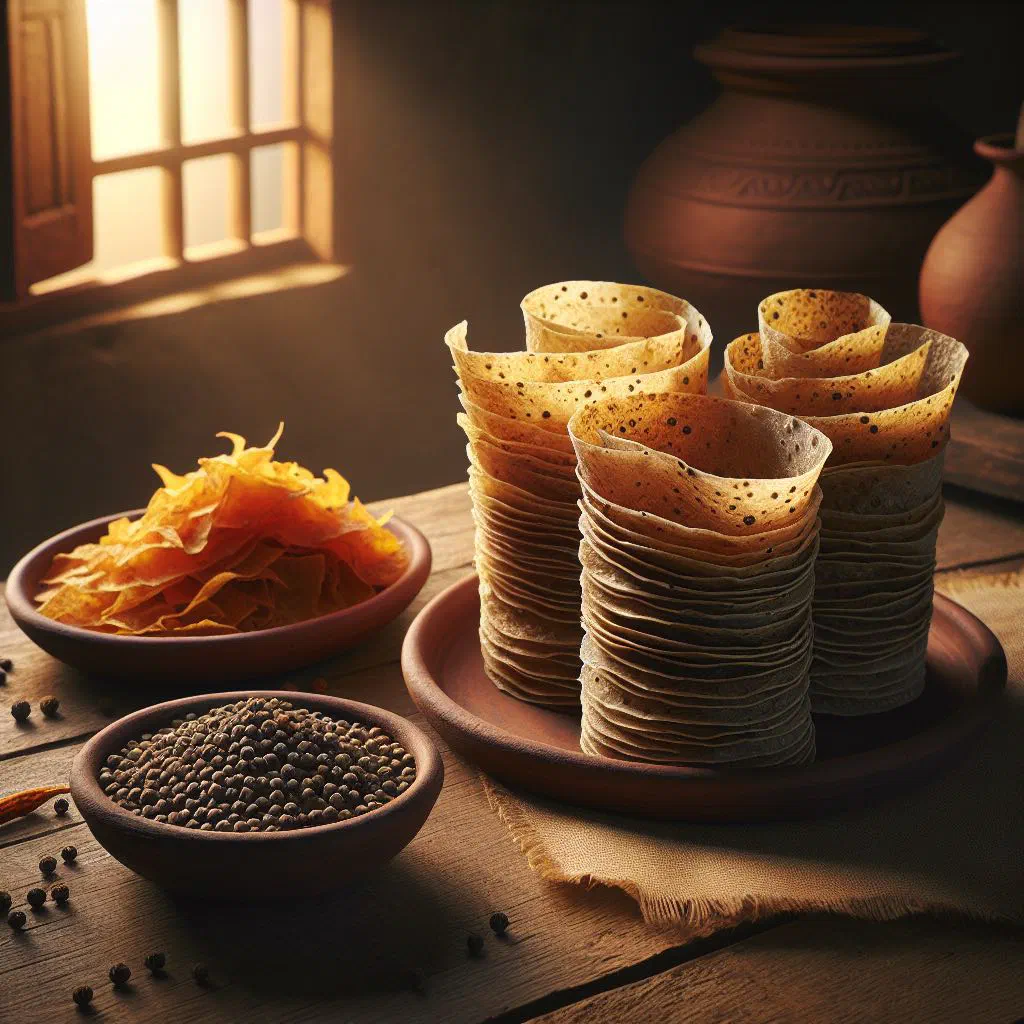
Meet Papadums, the wafer-thin, shatteringly crisp lentil crackers that no Mauritian curry table is complete without. Brought to the island by Indian settlers and embraced ever since, these golden discs make a brilliant snack on their own and an even better companion to curries, dals and chutneys. With just a handful of storecupboard ingredients and a few minutes at the stove, you can bring a little taste of island sunshine straight to your plate.
About Papadums
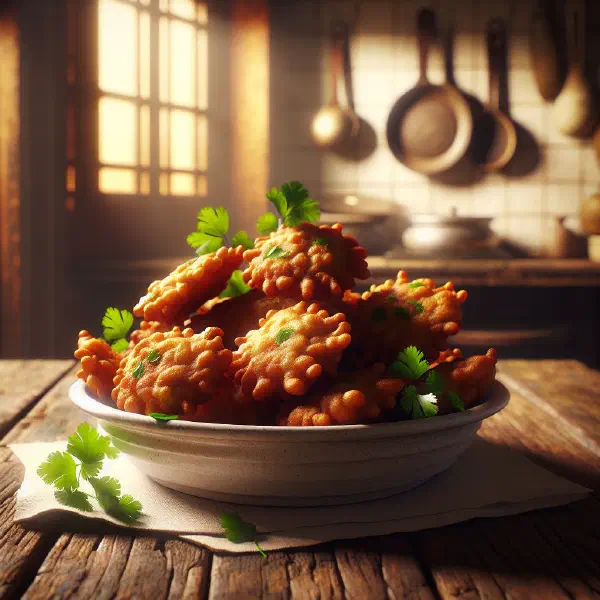
Papadums are a much-loved treat in both Indian and Mauritian cuisine. These crispy lentil crackers are perfect as a snack or as an accompaniment to all manner of dishes, from curries to dals. Try them alongside a fragrant Dhal Curry. They are simple to prepare and call for only a few ingredients, which makes them an ideal choice for any dinner. Their distinctive flavour brings a little holiday feeling straight to your plate.
Ingredients (serves 1–2)
- 100 g lentil flour (urad dal or chana dal)
- 1 teaspoon whole black peppercorns
- 1 teaspoon cumin
- 1/2 teaspoon salt
- Water (as needed)
- Oil (for deep-frying)
Shopping for the ingredients
The ingredients for papadums are available in most well-stocked supermarkets or in Asian grocery shops. The lentil flour is especially important, as it gives the papadums their characteristic texture. When buying, make sure the flour is fresh to guarantee the best flavour. Black pepper and cumin lend the dish an aromatic note that makes it all the more enjoyable.
Preparing the dish
Before you start making the papadums, have all your ingredients ready to hand. Measure out the lentil flour and grind the whole spices if you have not already done so. Mix the dry ingredients thoroughly so the flavours can develop properly. It is particularly important to use all the ingredients in the right proportions to achieve a well-balanced taste.
Step-by-step instructions
- Combine the lentil flour, pepper, cumin and salt in a bowl.
- Gradually add water and knead the dough until it is smooth and no longer sticky.
- Cover the dough and let it rest for 30 minutes.
- Divide the dough into small portions and roll each one out thinly.
- Heat the oil in a pan and fry the rolled-out rounds until golden brown and crisp.
- Lift the papadums out of the oil and let them drain on kitchen paper.
Gluten-free / lactose-free version
Since the basic ingredients for papadums are naturally gluten-free, you can easily prepare this dish without gluten. Just make sure that any spices and oils you use are also gluten-free. For a lactose-free version you need no extra products at all, as the recipe contains no milk or dairy. That makes it ideal both for people with food intolerances and for allergy sufferers.
Tips for vegans and vegetarians
Papadums are naturally vegan, as they consist entirely of plant-based ingredients. For an extra layer of flavour, try adding different spices or working fresh herbs into the dough. Make sure the oils used for frying are plant-based too. With a little creativity you can bring all sorts of aromas and flavours into your papadums. Every one of them equally delicious.
More tips and tricks
For papadums that turn out especially crisp, it is important to roll the dough out thinly. The temperature of the oil also plays a decisive role. It should be hot, but not smoking. Take care not to fry the papadums for too long, or they may burn. After frying, experiment with different finishing touches, such as a dusting of chilli or garlic powder, for an extra kick.
Adapting the recipe to your taste
You can adapt the basic papadum recipe however you like. For example, use different lentil flours to achieve different flavour profiles. Some cooks add desiccated coconut or dried spices to create an interesting twist. You can also vary the spices to suit your personal taste, which makes the recipe even more versatile.
Ingredient substitutions
If you have no lentil flour to hand, you can use chickpea flour instead, which gives the papadums a different but equally delicious character, the same flour that stars in crispy Pakoras. The spices are flexible too; try new combinations or add your favourite herbs. When it comes to cooking, you can also bake the papadums in the oven rather than frying them in oil if you prefer a healthier version. Keep an eye on the baking time for the best results.
Drink pairing ideas
A range of drinks pairs well with papadums and complements the crackers’ aroma. A classic Indian chai tea is an excellent choice thanks to its spices and gentle sweetness. Alternatively, serve fresh lemonade or a mild Indian-style beer. If you prefer something alcohol-free, a refreshing mango smoothie or a creamy Lassi makes a lovely companion.
Serving and presentation ideas
The presentation of your papadums can elevate the whole dining experience. Arrange the crispy crackers attractively on a pretty serving plate, or offer them in a small paper bag for a rustic look. Pair the papadums with a selection of dips such as Mango Chutney or a yoghurt sauce to create a spread that is as appealing to the eye as it is to the palate. Fresh herbs and edible flowers also make lovely decoration.
A bit of history
Papadums have their origins in Indian cooking, where they have been a tradition for centuries. In Mauritius they were introduced by Indian immigrants and have been a firm fixture of the local food scene ever since. Traditionally, papadums are served at festive occasions and symbolise the island’s culinary diversity. Enjoying these crackers is a cultural experience rooted deep in tradition.
More recipe ideas
Summary: Papadums
In short, papadums are a delicious and versatile addition to any meal. They are uncomplicated to make and require only a few ingredients. With their crisp texture and full-bodied aroma, they are the perfect side to many traditional dishes. Give this recipe a try and enjoy the flavours of Mauritius in your own kitchen.