National Dish Mexico: Carne en su Jugo (Recipe)
In this article
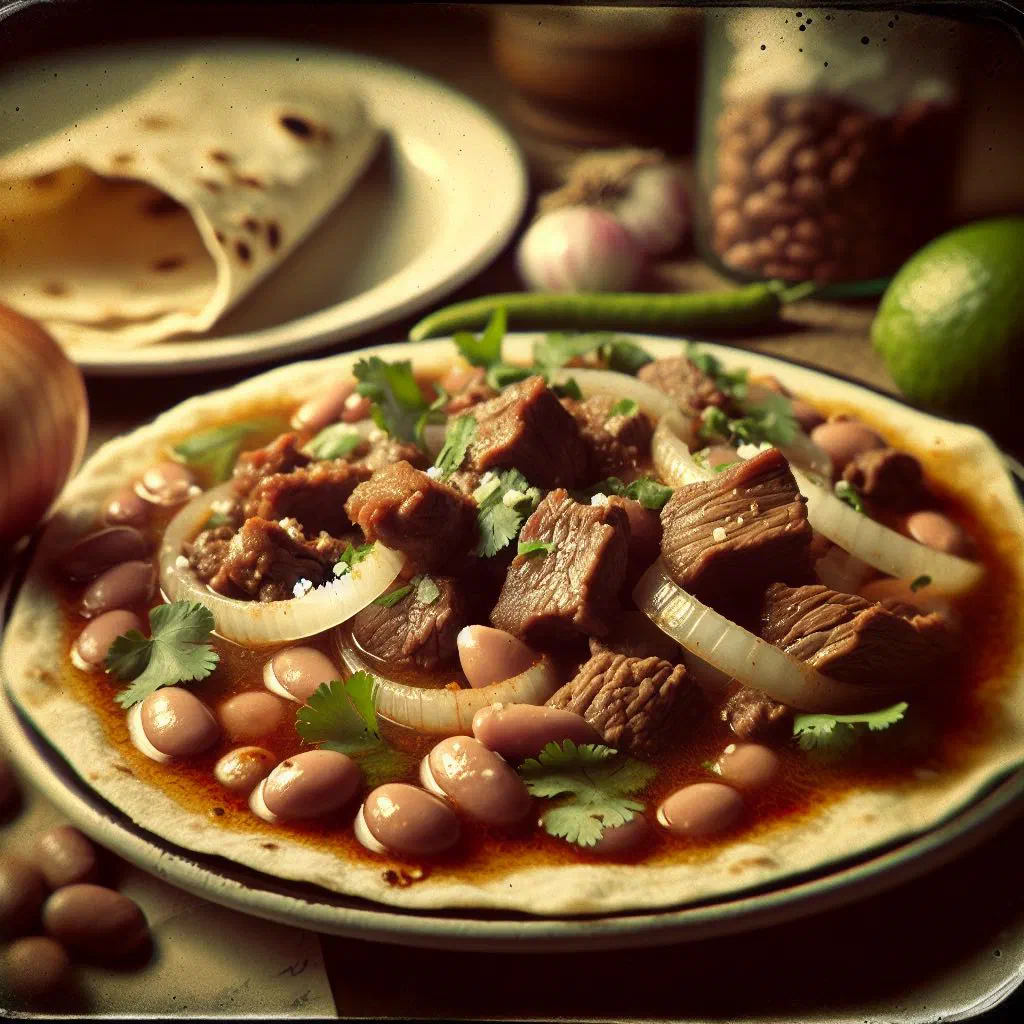
Meet Carne en su Jugo, a soul-warming bowl that hails from the Mexican state of Jalisco. Tender pieces of beef simmer slowly in a savoury, brothy sauce, joined by hearty black beans and a touch of smoky bacon. Brightened with chopped onion, fresh coriander and a squeeze of lime, it is the kind of dish that feels like a warm welcome at the table. Bring a taste of Guadalajara straight to your own kitchen with this comforting Mexican classic.
About Carne en su Jugo
Carne en su Jugo is a traditional Mexican dish with its roots in the region of Jalisco. This flavourful recipe is built around beef, gently cooked in a hearty broth alongside black beans. The combination of tender pieces of meat and aromatic spices makes it a much-loved dish that appeals to locals and visitors alike. It is often served with chopped onion, fresh coriander and lime, lending the whole bowl a refreshing, bright lift.
Ingredients (serves 1–2)
- 300 g beef (e.g. brisket or rump)
- 100 g black beans (pre-cooked)
- 1 onion, chopped
- 2 cloves garlic, chopped
- 1–2 tomatoes, chopped
- 1–2 green chillies (to taste)
- 1 teaspoon cumin
- Salt and pepper, to taste
- Fresh coriander, to garnish
- Lime wedges, to serve
Shopping for the ingredients
When shopping for carne en su jugo, it is important to choose fresh, good-quality beef. Visit your local butcher or a market to make sure the meat is at its best. The black beans should come from a good source too; dried beans work just as well, but they need soaking before you begin. Pick up fresh vegetables and herbs as well, so the dish delivers the fullest possible flavour.
Preparing the dish
Preparation for carne en su jugo starts with cutting the beef into small pieces. Try to keep the pieces even in size so they cook through at the same rate. The onion, garlic and tomatoes also need to be prepared and chopped. Don’t forget to check the black beans. These should be either pre-cooked or, if dried, soaked for at least a few hours beforehand.
Step-by-step instructions
- Brown the beef in a large pot with a little oil until it is golden on all sides.
- Add the onion and garlic and continue to fry for a few minutes.
- Stir in the chopped tomatoes, green chillies and cumin, mixing everything well.
- Pour in enough water to cover the meat completely and bring to the boil.
- Reduce the heat and let the dish simmer gently for around 1–1.5 hours, until the meat is tender.
- Add the beans and cook for a further 10–15 minutes.
- Season to taste with salt and pepper.
- Serve hot, garnished with fresh coriander and lime wedges.
Gluten-free / lactose-free version
Making carne en su jugo gluten-free and lactose-free is fairly straightforward. The dish is naturally gluten-free, since no grain products are used. Even so, check that all the other ingredients, particularly stocks or spice blends, contain no hidden gluten. It is also lactose-free, as no dairy products are needed in the preparation at all.
Tips for vegans and vegetarians
For a meat-free take, hearty mushrooms and tofu make a fine stand-in for the beef. They bring a similar texture and a savoury depth to the bowl. A good plant-based stock and plenty of vegetables help to intensify the flavour and create a satisfying vegetarian version of the dish, much like a hearty plate of Frijoles Charros.
More tips and tricks
To get the most out of carne en su jugo, it helps to let the flavours develop fully. Ideally, let the dish rest in the fridge for a few hours or overnight, as this deepens the taste considerably. Extra garnishes such as avocado or crumbled cheese can add an interesting new dimension. Experiment with the spices to tailor the dish to your own preferences.
Adapting the recipe to your taste
Depending on your palate, you can adjust the amount of green chillies to reach exactly the level of heat you want. For a sweeter note, try adding carrots or peppers. You can also swap in different meats, such as pork or chicken. Variations like these open up new flavour experiences and let you rediscover the dish again and again, pair it with warm Tortillas de Harina for a complete meal.
Ingredient substitutions
If certain ingredients are not to hand, there are plenty of creative alternatives for carne en su jugo. Pinto beans work beautifully in place of black beans, while smoked pancetta can step in for the bacon. Should you want a lighter broth, a good chicken or vegetable stock can replace the meat juices. Substitutions like these help you adapt the recipe to what is in season or to your own taste.
Drink pairing ideas
A range of refreshing drinks pairs wonderfully with carne en su jugo, from a classic margarita to a cold Mexican beer. If you would rather go alcohol-free, try a fruity agua fresca such as hibiscus or lime. Sparkling water with a squeeze of lime is another refreshing option.
Serving and presentation ideas
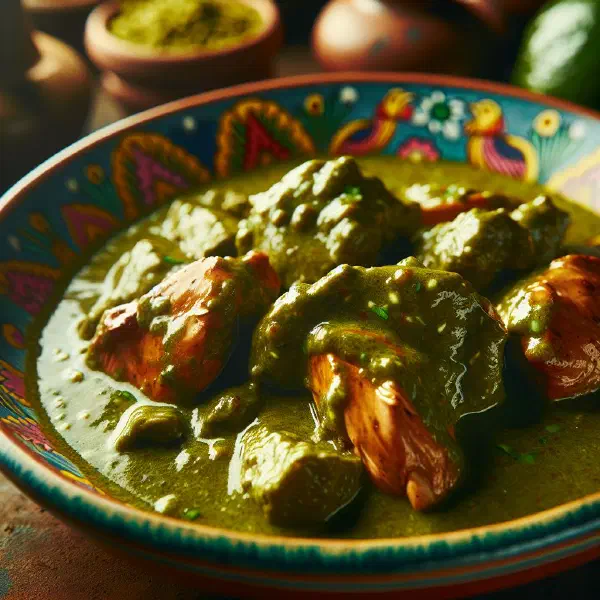
To present carne en su jugo attractively, serve it in colourful bowls or deep plates. Garnish the dish with fresh coriander and lime wedges to create a lovely play of colour. Crisp tortillas or a portion of rice on the side can improve both the look and the texture of the meal. Try it alongside Arroz Rojo. A decorative arrangement of the garnishes lifts the whole experience and whets the appetite.
A bit of history
The origins of carne en su jugo reach back to colonial times, when Mexico absorbed a wide range of culinary influences that blended into a unique fusion of flavours. The dish is closely tied to the traditions of north-western Mexico and has, over the years, become one of the country’s best-loved meals. In many homes in Jalisco it holds a firm place as a favourite family dinner. It is a source of nourishment, and an expression of culture and community, a hallmark of Mexican cuisine.
More recipe ideas
Summary: Carne en su Jugo
To sum up, carne en su jugo is a hearty, aromatic dish that is easy to make and readily adapted to suit different diets. With the right ingredients and a little love, you can recreate this traditional Mexican recipe at home. It offers a wonderful way to experience and enjoy Mexican culture and cuisine.