National Dish Mexico: Marquesote (Recipe)
In this article
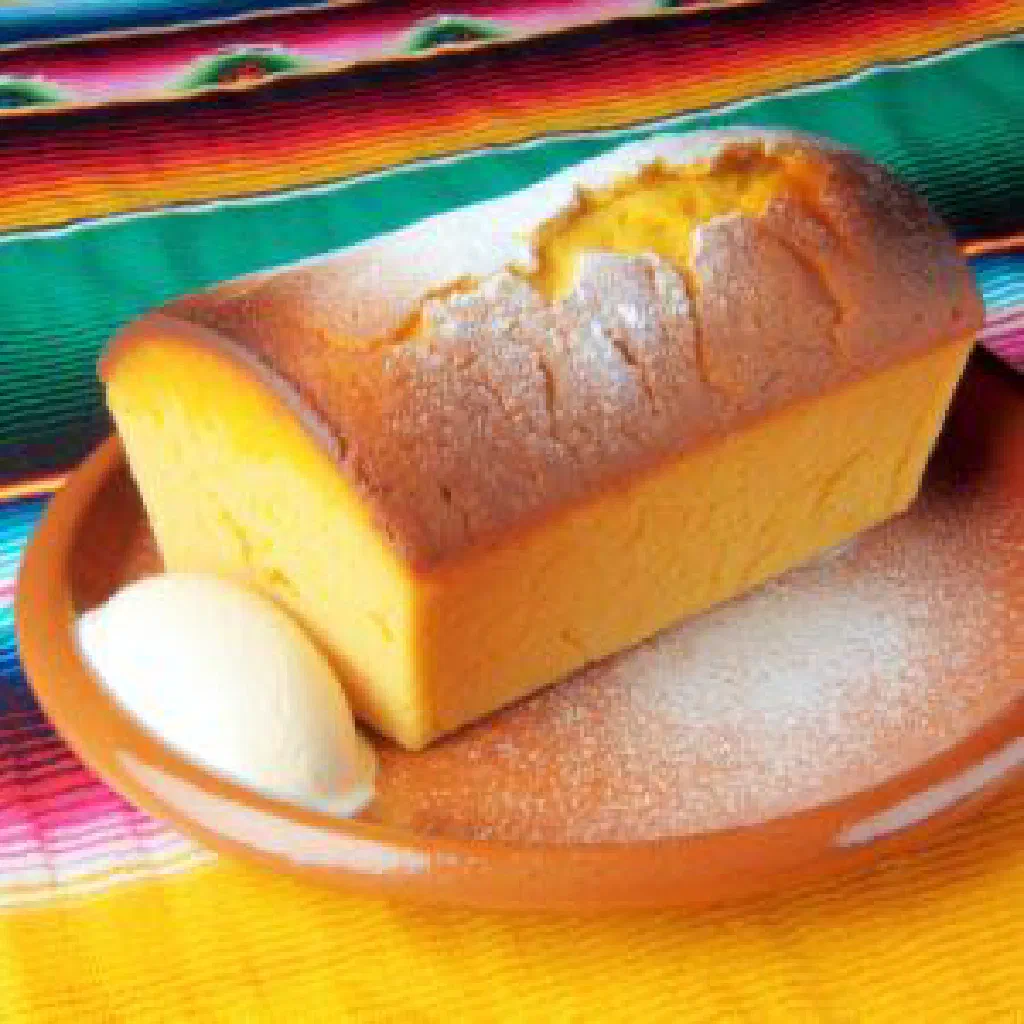
Marquesote is proof that three ingredients can be enough. Eggs, sugar and flour are beaten into a batter so full of air that the finished cake is almost weightless, with a fine, springy crumb and a thin sugary crust. In Oaxaca and Chiapas it is sold at markets and served at festivals — the kind of simple sweet thing that never goes out of fashion.
About Marquesote
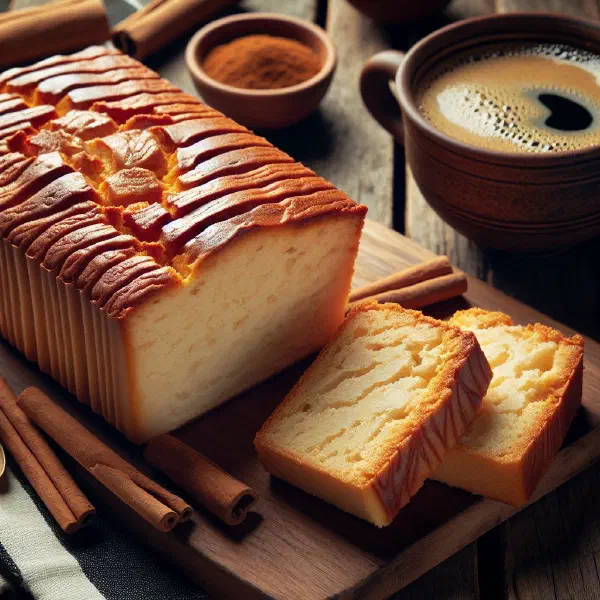
Marquesote is a traditional, exceptionally light sponge cake from the southern Mexican states of Oaxaca and Chiapas. At its core it is nothing more than eggs, sugar and flour whipped into an airy batter, often baked in ring tins and finished with a thin sugar crust. It has long been sold in market squares and at village fiestas, and it counts as an everyday sweet rather than a special-occasion showpiece, though it appears at plenty of celebrations too.
Ingredients (serves 1–2)
- 3 eggs (medium), at room temperature
- 90 g sugar, plus extra for dusting
- 90 g plain flour
- ½ teaspoon baking powder
- A pinch of salt
- ½ teaspoon vanilla extract
- Butter and flour, for the tin
Shopping for the ingredients
Marquesote needs very few ingredients, so freshness counts. Eggs at room temperature whip to a far greater volume than cold ones, which is the whole point of this cake. A fine plain flour gives the tenderest crumb, while ordinary household sugar is perfectly sufficient. A small ring tin or bundt tin completes the list, a plain round springform works too.
Preparing the dish
Heat the oven to 180 °C conventional. Grease the tin generously with butter and dust it with flour, so the delicate sponge releases cleanly later. Mix the flour, baking powder and salt together in advance and set them aside, ready to be folded in quickly without knocking the air out of the beaten eggs.
Step-by-step instructions
- Beat the eggs with the sugar for a good 8–10 minutes, until pale, thick and tripled in volume.
- Beat in the vanilla extract.
- Sift the flour mixture over the eggs in two or three additions.
- Fold it in gently with a spatula, working from the bottom up — do not stir.
- Pour into the prepared tin and smooth the surface.
- Bake for 25–30 minutes, until golden and springy; a skewer should come out clean.
- Cool briefly in the tin, turn out, and dust generously with sugar.
Gluten-free / lactose-free version
Marquesote is already lactose-free if you grease the tin with oil instead of butter. For a gluten-free version, a fine gluten-free flour blend works well here because the structure comes mostly from the beaten eggs rather than the flour. Add half a teaspoon of xanthan gum if your blend does not include it.
Tips for vegans and vegetarians
The cake is vegetarian as it stands. A vegan version is genuinely difficult, since whipped whole eggs provide the entire structure; the closest approach is a batter based on aquafaba with a little extra baking powder, accepting that the result will be denser. For a reliable vegan alternative, a simple oil-based sponge is the better route.
More tips and tricks
The beating stage is everything: do not cut it short, and stop only when the batter falls from the beaters in a thick ribbon that holds its shape for a moment. Fold in the flour with a light hand. Every unnecessary stroke costs you volume. And resist opening the oven during the first 20 minutes, or the cake will sink.
Adapting the recipe to your taste
Marquesote takes flavourings well: the zest of an orange or lime is common in Oaxaca, and a pinch of cinnamon suits it beautifully. Some bakers brush the warm cake with a light sugar syrup for a moister crumb. It is also the traditional base for layered festival cakes, soaked in syrup and stacked with cream.
Ingredient substitutions
Caster sugar dissolves faster than granulated and gives a finer crumb. Cornflour can replace up to a third of the plain flour for an even lighter texture. If you have no vanilla, a strip of citrus zest beaten in with the eggs does the same job of rounding out the flavour.
Drink pairing ideas
In its home region, marquesote is eaten with coffee or with a cup of thick Oaxacan hot chocolate, whisked to a foam with a molinillo. Atole, the warm, corn-based drink, is another traditional partner. For something cold, a glass of milk or a horchata keeps the pairing simple and authentic.
Serving and presentation ideas
Serve marquesote in generous slices, dusted with sugar and nothing else, its appeal lies in its plainness. On a festive table it looks handsome baked as a ring and piled with fresh fruit in the middle. Cut it with a serrated knife using a gentle sawing motion, since the crumb is delicate.
A bit of history
Marquesote descends from the Spanish sponge cakes brought to Mexico during the colonial period, and it has been baked in Oaxaca and Chiapas for generations since. Its name is thought to derive from marqués, hinting at a cake once considered fine enough for nobility, though it long ago became thoroughly popular fare. Today it is inseparable from market stalls and village festivals, and a genuine window onto Mexican cuisine.
More recipe ideas
Summary: Marquesote
Marquesote is a featherlight sponge from southern Mexico, made from little more than eggs, sugar and flour. The technique matters more than the shopping list: beat the eggs long enough, fold gently, and you are rewarded with a cake that is airy, tender and quietly addictive. Serve it with coffee or hot chocolate and you have Oaxaca on a plate.