National Dish Mexico: Pan de Muerto (Recipe)
In this article
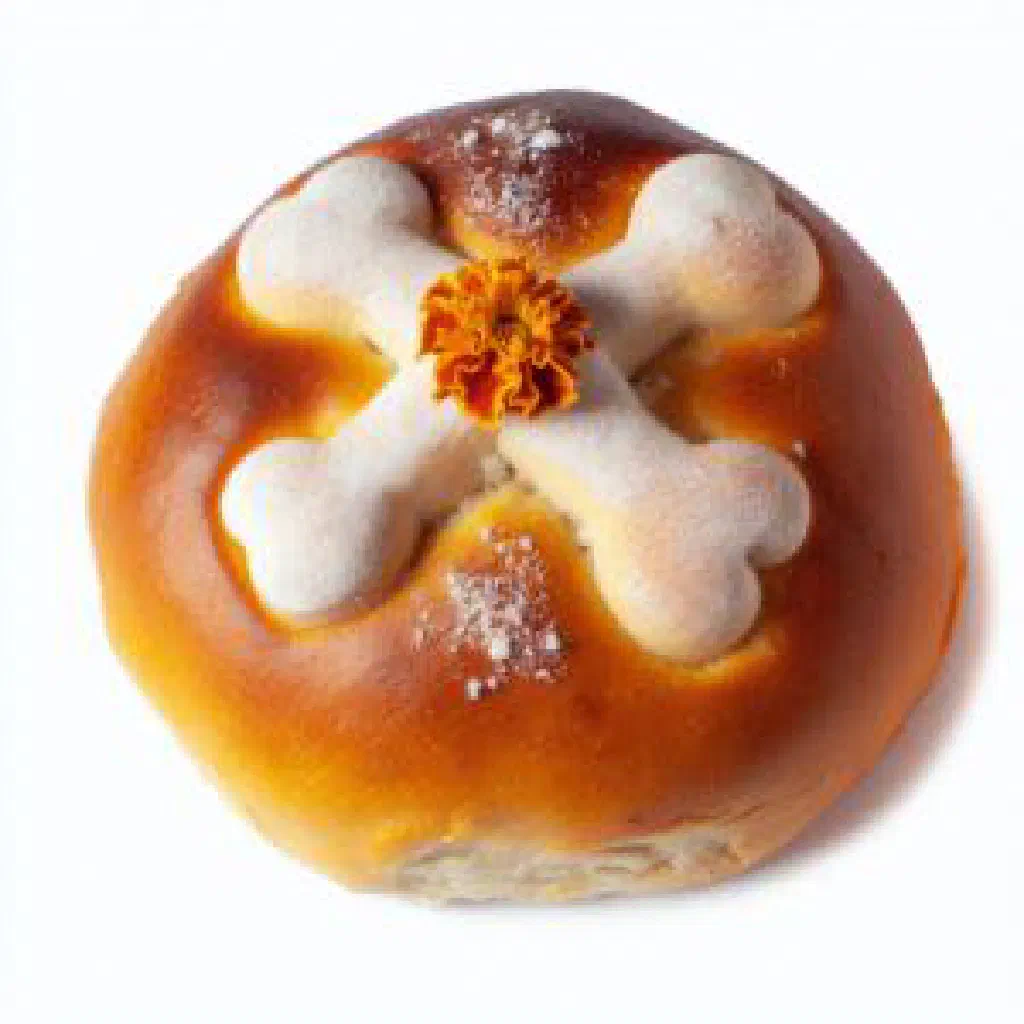
Discover Pan de Muerto, the fragrant sweet bread baked across Mexico for the Día de los Muertos. Tender, lightly sweet and scented with anise and citrus, this enriched loaf carries deep meaning as well as wonderful flavour. Its rounded shape and decorative “bones” make it a centrepiece of the Day of the Dead celebrations, where it honours loved ones who have passed. Bake a loaf at home and welcome a little of that warm, remembering spirit into your own kitchen.
About Pan de Muerto
Pan de Muerto, which translates as “bread of the dead”, is a traditional Mexican bake prepared during the Día de los Muertos (Day of the Dead). This soft, aromatic bread is usually dusted with sugar and shaped in a very particular way, with strips arranged to recall skulls and bones. The ingredients work in perfect harmony to give a flavour that is at once sweet and delicate. It is a treat for the palate and an important part of Mexican culture and tradition, placed on altars to greet and honour the spirits of the departed.
Ingredients (serves 1–2)
- 250g plain flour
- 100g sugar
- 1 sachet dried yeast
- 2 eggs
- 75ml milk
- 50g butter, melted
- 1 teaspoon ground anise
- 1 pinch of salt
- Sugar, for decorating
Shopping for the ingredients
The ingredients for pan de muerto are easy to find in most supermarkets or in specialist Latin American food shops. It is worth buying fresh ingredients, particularly the yeast and the milk. Choose the type of yeast that best suits your method, fresh yeast is ideal, but dried yeast works perfectly well too. You can also opt for organic versions of the ingredients where you like, to make the bake feel a little wholesome.
Preparing the dish
Before you start making pan de muerto, gather and measure out all your ingredients. The temperature of the milk matters: it needs to be lukewarm so the yeast can activate properly. It is also a good idea to melt the butter in advance so it blends easily with everything else. Finally, have a suitable baking tray ready so the bread bakes evenly and comes out beautifully.
Step-by-step instructions
- In a large bowl, combine the flour, yeast, sugar, anise and salt.
- Add the warm milk and the melted butter, then knead everything together well.
- Work in the eggs and continue kneading until you have a soft, smooth dough.
- Cover the dough and leave it to rise in a warm place for about an hour.
- Shape the risen dough into an oval loaf, pinching off small pieces for the decoration.
- Roll those pieces into little “bones” and arrange them on top of the loaf.
- Leave the bread to prove for a further 30 minutes, then bake at 180°C for around 30 minutes.
- Once cooled, dust generously with sugar and serve.
Gluten-free / lactose-free version
To make pan de muerto gluten-free, simply use a good gluten-free flour blend, widely available in shops, and check that all your other ingredients are gluten-free too. For a lactose-free version, swap in plant-based milk and lactose-free butter. These alternatives let you adapt the traditional recipe to a range of dietary needs without losing any of its delicious flavour.
Tips for vegans and vegetarians
Vegans can make pan de muerto by replacing the eggs with apple purée or another plant-based binder. Instead of dairy milk, reach for almond or oat milk, and swap the butter for vegan margarine. With these simple adjustments, plant-based bakers can take part in the cultural tradition and enjoy this special bread just as much as everyone else.
More tips and tricks
One of the best ways to make pan de muerto really light and fluffy is to knead the dough for longer, the more air you work in, the better the texture. You can also add extra aromatics such as cinnamon or vanilla to round out the flavour. Above all, give the dough plenty of time to rise; patience here is what delivers the best possible result.
Adapting the recipe to your taste
Everyone has their own preferences, and pan de muerto is easy to tailor. If anise is not to your liking, replace it with other warming spices such as cinnamon or nutmeg. The amount of sugar can be dialled up or down to suit you as well. With a little experimenting you can create your own distinctive version of this celebratory loaf.
Ingredient substitutions
If you do not have yeast to hand, you can use baking powder instead, though the result will be a little different. In place of sugar, honey or agave syrup can be used to sweeten the dough and add a richer note. For a nuttier flavour, fold in some chopped nuts. The same comforting sweetness shines in a slice of Pan de Elote, and small choices like these can change the eating experience considerably and open up new flavours.
Drink pairing ideas
Pan de muerto pairs beautifully with a mug of hot chocolate or a good cup of coffee. Traditional Mexican drinks such as Atole de Chocolate, a warming corn-based drink, make the perfect companion. These beverages underline the authentic taste and feel of a typical Mexican celebration. A spiced tea such as chai also sits well alongside the bread.
Serving and presentation ideas
To present pan de muerto at its best, set it on a handsome plate and decorate with fresh flowers in keeping with the festive Mexican spirit. A fine dusting of icing sugar like “snow” creates an appealing effect. Brightly coloured napkins and tableware lend the spread a celebratory touch. Keep the cultural side in mind and add symbols fitting for the Día de los Muertos, much as you might display a dish of Calabaza en Tacha on the same altar.
A bit of history
The tradition of pan de muerto reaches back to pre-Columbian times, when the Aztecs paid homage to the god of death. With the arrival of the Spanish in the 16th century, the custom merged with European baking techniques. Today pan de muerto is a symbol of the bond between the living and the departed and plays a central role in the festivities of the Day of the Dead. It is often placed on altars to welcome and honour visiting spirits, and it remains one of the most beloved sweet bakes in Mexican cuisine.
More recipe ideas
Summary: Pan de Muerto
In short, pan de muerto is a delicious and deeply meaningful bake that warms hearts on the most special of occasions. With its sweet flavour and interesting texture, it is a treat for the senses. The recipe adapts easily to a variety of dietary needs, and with a little creativity you can shape this traditional bread to your own taste. Let the history and heritage of pan de muerto inspire you, and bake a loaf for your next celebration.