National Dish Mexico: Queso de Tuna (Recipe)
In this article
Discover Queso de Tuna, one of Mexico’s most distinctive sweet treats. This unusual confection captures the gentle sweetness of the prickly pear in a smooth, set paste that bridges old craft and modern kitchens. Far from an everyday dessert, it carries centuries of tradition in every bite. Bring a genuine slice of Mexican culture straight to your own table with this simple, naturally fruity speciality.
About Queso de Tuna
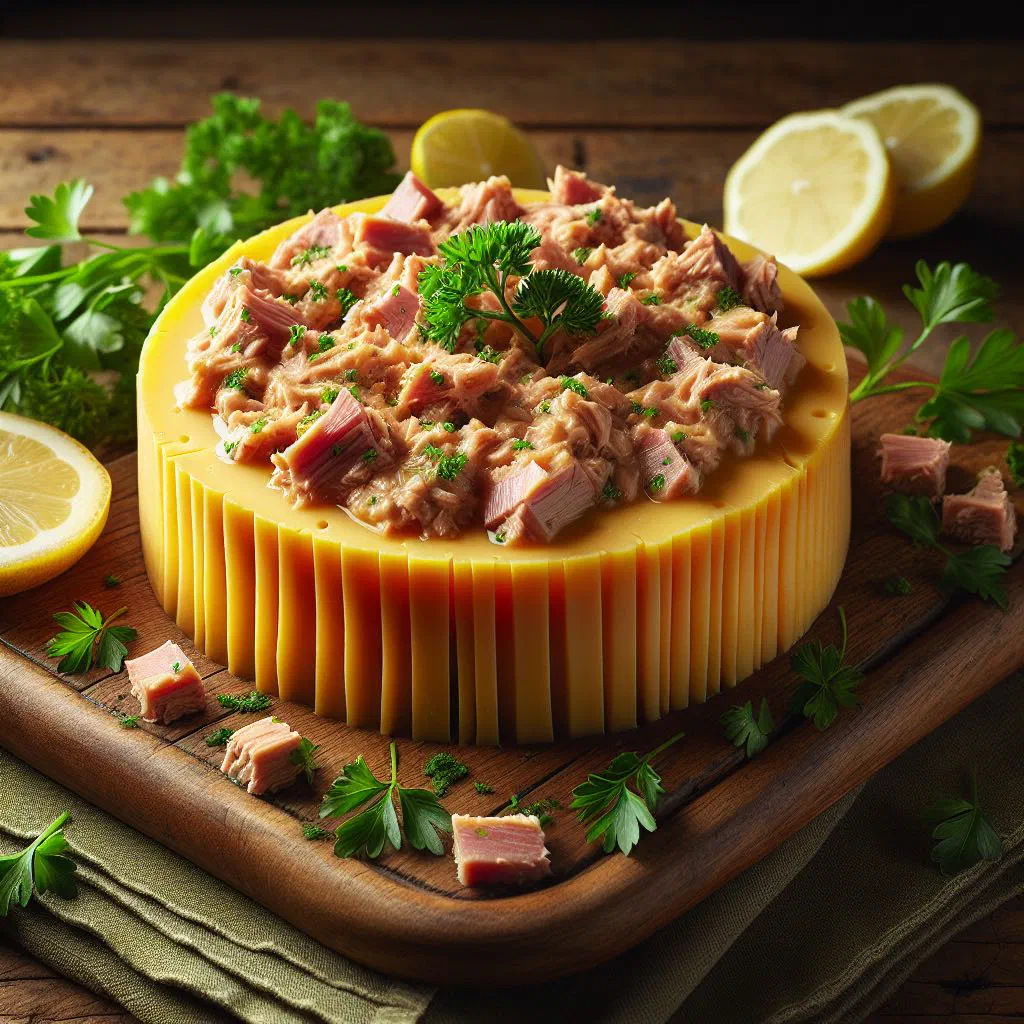
Queso de Tuna is an one-of-a-kind sweet made from the fruit of the prickly pear cactus. Using local ingredients and time-honoured methods makes this dish not only delicious but culturally important too. Its creamy texture and gentle sweetness make it a real highlight of Mexican cooking. It is often served with fresh tortillas or worked into other dishes, which makes it a wonderfully versatile ingredient in the kitchen.
Ingredients (serves 1–2)
- 500 g prickly pears (cactus figs)
- 200 ml water
- 1 tsp sugar
- 1 tsp lemon juice
- A pinch of salt
Shopping for the ingredients
If you want to make queso de tuna, it is important to choose fresh prickly pears. Look for fruit that is firm and undamaged to guarantee the best possible flavour. These figs are often available in Mexican grocery shops or at local markets. Alongside the main ingredient, you will also need fresh lemons and a little sugar, both of which are easy to find anywhere.
Preparing the dish
Before you make the queso de tuna, give the prickly pears a thorough rinse. Slice off the top and bottom ends of each fruit and carefully remove the skin. It is a good idea to wear gloves while you do this, as the tiny spines on the skin can be unpleasant. Once prepared, cut the fruit into small pieces to make the cooking that little bit easier.
Step-by-step instructions
- Put the prickly pear pieces into a saucepan and cover with 200 ml water.
- Add the sugar, lemon juice and a pinch of salt, then bring the mixture to the boil.
- Lower the heat and let it simmer for about 15 minutes, until the fruit is soft.
- Allow the mixture to cool, then purée it until you have a smooth, creamy consistency.
- Pour the purée into a mould and leave it to set firm in the fridge.
Gluten-free / lactose-free version
Queso de Tuna is naturally gluten-free and lactose-free, which makes it an excellent choice for anyone with dietary restrictions. Beyond the basic ingredients, this recipe is easy to adapt without resorting to additives or fillers. Just take care to choose every ingredient carefully so you can be sure they are free from gluten. That makes this dish suitable for a wide range of diets.
Tips for vegans and vegetarians
Since queso de tuna is made entirely from plant-based ingredients, it is an ideal option for vegans and vegetarians. If you would like to add extra flavour, try folding in different spices or herbs such as fresh dill or coriander. These can lend the dish an interesting twist. Serving it with vegetable sticks or wholemeal crackers also adds to the vegan and vegetarian appeal.
More tips and tricks
To get the most out of your queso de tuna, experiment with the consistency of the paste. Do you prefer it softer or firmer? This can be adjusted simply by how long you leave it in the fridge. You might also stir in a little coconut milk for a creamier version, or some chilli flakes for a touch of heat.
Adapting the recipe to your taste
If prickly pears are not available, you can consider other fruity alternatives to achieve a similar result. Mango or papaya might work in such a case, though they bring their own distinctive flavours. Using syrup or agave nectar in place of sugar can create interesting variations too. Always test the quantity of any substitute so you reach the flavour you are aiming for, much like balancing the sweetness in Calabaza en Tacha.
Ingredient substitutions
When certain ingredients for queso de tuna are not to hand, there are still plenty of creative options. Swapping in a softer fruit changes both the texture and the sweetness, so taste as you go. A drizzle of agave nectar instead of sugar deepens the flavour without overwhelming the fruit. These small substitutions help you adapt the recipe to whatever is in season, just as you would when balancing the flavours of a Nieve de Mango.
Drink pairing ideas
A range of refreshing drinks pairs beautifully with queso de tuna, such as a classic tamarind juice or a homemade mojito. If you prefer something less sweet, sparkling water with lime peel and fresh herbs can be lovely and cooling. Alternatively, a light Mexican beer makes an excellent choice to complement the flavours. The right drink can round off the whole culinary experience.
Serving and presentation ideas
To serve queso de tuna at its best, reach for bright, colourful plates. The vivid colour of the prickly pear makes the dish a real feast for the eyes, while its creamy texture lends an elegant finish. Add fresh herbs or edible flowers as a garnish to give the dish that special something. Pair it with fresh tortillas or vegetable sticks for a complete experience.
A bit of history
Queso de Tuna has its roots in colonial Mexican cooking. The prickly pear cactus was cultivated by Mexico’s indigenous peoples centuries ago and remains an integral part of the local diet. Turning its fruit into a set, cheese-like paste shows the resourcefulness and creative use of nature that runs so deep in Mexican culture. This blend of tradition and pleasure makes queso de tuna an essential part of authentic Mexican cuisine.
More recipe ideas
Summary: Queso de Tuna
Queso de Tuna is more than just a dish; it is a symbol of Mexican culture and its traditions. With its simple preparation and fresh ingredients, it offers a truly unique taste experience. Let this wonderful recipe inspire you and bring a little piece of Mexico straight to your table. Take the time to discover the variety and richness of Mexican cooking, and savour every single bite.