National Dish Mexico: Ropa Vieja (Recipe)
In this article
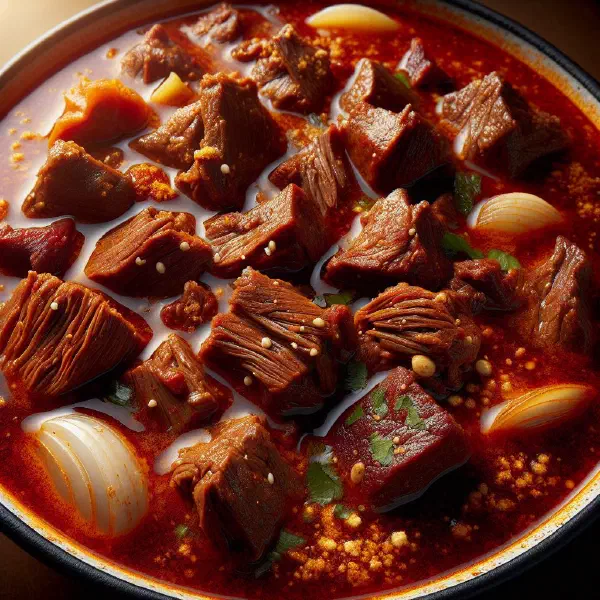
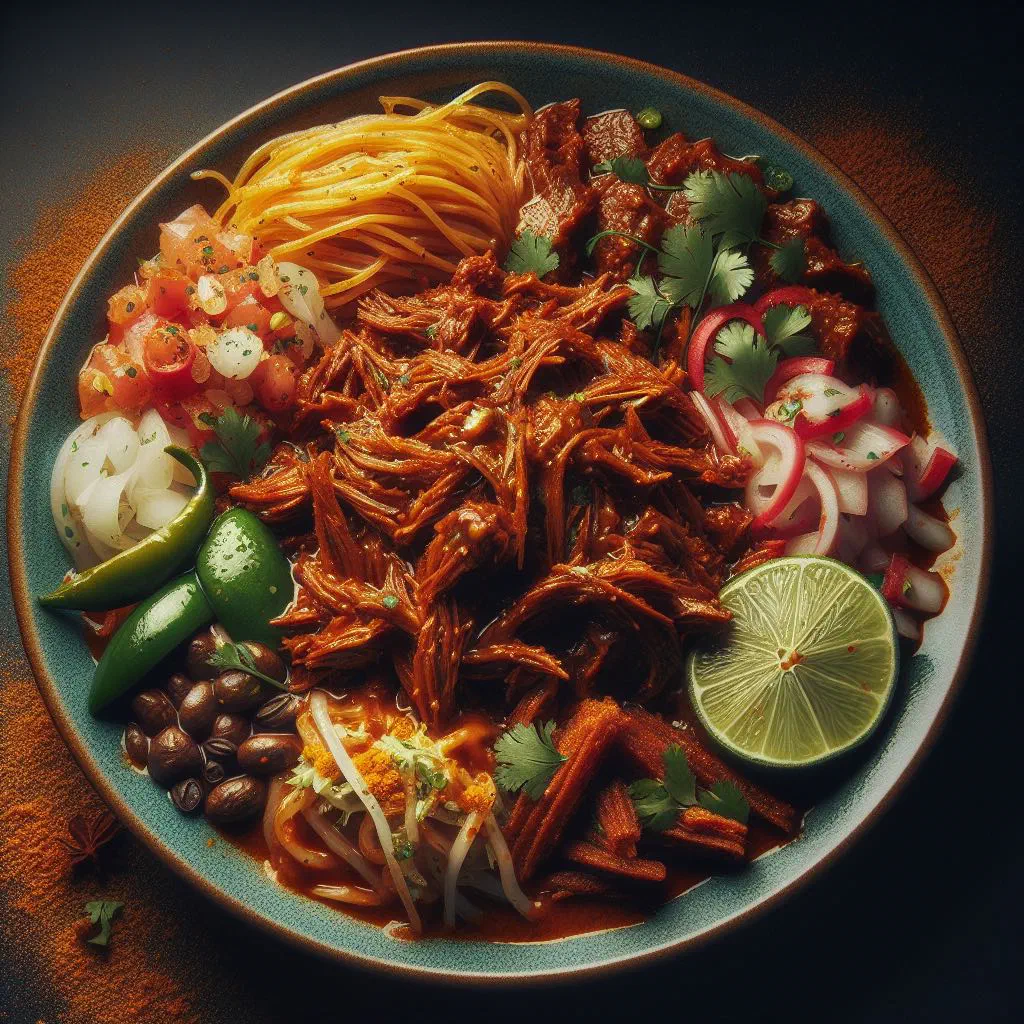
Meet Ropa Vieja, a soul-warming Mexican classic of tender, slow-braised beef shredded into a rich, spiced tomato sauce. The name translates rather charmingly as “old clothes”, a nod to the way the meat falls apart into soft, ragged strands. Bright peppers, sweet onion and warm cumin turn a humble cut of beef into something deeply satisfying, perfect spooned over rice or piled into warm tortillas. Bring a taste of Mexican home cooking straight to your own kitchen.
About Ropa Vieja
Ropa Vieja is a traditional Mexican dish celebrated for its hearty flavour and meltingly tender meat. The name, which means “old clothes”, refers to the shredded texture of the beef once it has been braised low and slow in a delicious sauce. Although the dish has its origins in Spanish cuisine, it has long since put down roots across Latin America, and in Mexico in particular. It is most often served with rice, beans or tortillas, making it a real treat for anyone who loves the bold, comforting flavours of Mexican cooking.
Ingredients (serves 1–2)
- 300g beef
- 1 onion, diced
- 2 cloves garlic, chopped
- 1 red pepper, cut into strips
- 1 green pepper, cut into strips
- 400g tomatoes, puréed
- 1 teaspoon ground cumin
- 1 teaspoon paprika
- 1 bay leaf
- Salt and pepper, to taste
- Olive oil, for frying
Shopping for the ingredients
When shopping for the ingredients for Ropa Vieja, it pays to pay attention to the quality of the beef. Fresh, lean meat with a little marbling running through it is ideal, as it delivers a deep, intense flavour. The fresh vegetables, especially the peppers, bring colour and a natural sweetness to the dish, so look for ones that are firm and crisp. It is also worth using good-quality spices to bring out the authentic taste of Mexican cooking.
Preparing the dish
Preparing Ropa Vieja properly is key to the finished flavour. Begin by cutting the beef into evenly sized pieces so that it cooks at a steady, uniform pace. Chop the onion and garlic, and slice the peppers into fine strips. This bit of groundwork saves time once you start cooking and makes sure all the flavours have the chance to come together beautifully.
Step-by-step instructions
- Heat the olive oil in a large pot and sauté the onion and garlic until golden brown.
- Add the beef and sear it well on all sides over a high heat.
- Stir in the puréed tomatoes and the strips of pepper.
- Add the spices, including the cumin and paprika, and drop in the bay leaf.
- Cover the pot and let everything braise gently over a low heat for about 2 to 3 hours, until the meat is fork-tender.
Gluten-free / lactose-free version
Ropa Vieja is very easy to keep gluten-free and lactose-free, as only minor adjustments are needed. Simply make sure the olive oil and spices contain no hidden sources of gluten. Because the dish is built around beef and calls for no cream or dairy at all, it is naturally suitable for anyone with a lactose intolerance. Enjoy it without a second thought.
Tips for vegans and vegetarians
For vegans and vegetarians, Ropa Vieja can be reimagined with plant-based alternatives. In place of beef, try jackfruit, which takes on a wonderfully similar shredded texture once cooked. Keep the same spices and sauce to preserve that signature savoury flavour. A mixture of tofu and vegetables also makes a delicious stand-in while still capturing the warm aromas of Mexican cooking.
More tips and tricks
To get the very best from your Ropa Vieja, a few simple tips go a long way. Let the dish braise for several hours so all the flavours have time to mingle and deepen. Use fresh herbs such as coriander as a garnish for an extra layer of flavour and a hint of freshness. A squeeze of lime juice just before serving also works wonders, lifting the aromas and making everything taste that much brighter.
Adapting the recipe to your taste
The recipe for Ropa Vieja is easy to adapt to your own preferences. Like it fiery? Add a few chillies or a spicy seasoning blend. For a touch more sweetness, a pinch of sugar helps balance the acidity of the tomatoes. Feel free to experiment with different vegetables or pulses to shape the dish exactly to your liking, much like the freedom you get when making a hearty Picadillo.
Ingredient substitutions
There are plenty of alternatives to play with in Ropa Vieja. If beef is not your thing, try chicken or pork as your protein, both of which braise beautifully, as you will find in dishes like Pollo en Adobo or Carnitas Michoacanas. Instead of fresh tomatoes you can reach for tomato sauce, and to save time you can buy ready-sliced vegetables from the supermarket.
Drink pairing ideas
A hearty dish like Ropa Vieja calls for refreshing drinks to go alongside. A classic Mexican beer or a cooling agua fresca made from fresh fruit is a wonderful match. A glass of good red wine, such as a Merlot or Tempranillo, also harmonises nicely with the rich, intense flavours of the dish. Experiment with different combinations until you find the perfect partner for your meal.
Serving and presentation ideas
A lovely presentation makes the experience of eating Ropa Vieja all the more special. Serve the dish in a large bowl to give it a generous, sociable feel. Garnish with fresh coriander and lime wedges to add colour and freshness. Pile it over a bed of rice, a fragrant Arroz Rojo is ideal, or beans for an attractive and full-flavoured plate.
A bit of history
The history of Ropa Vieja reaches back to Spanish cuisine, brought to Latin America by immigrants. Over time it evolved and became a much-loved dish in Mexico and other countries across the region. The earliest recipes are said to have been prepared as far back as the 18th century. Today it is a firm fixture of Mexican food culture and is cherished as comfort food in many households, a shining example of Mexican cuisine.
More recipe ideas
Summary: Ropa Vieja
Ropa Vieja is a hearty, traditional Mexican dish that wins everyone over with its aromatic, slow-braised preparation. With fresh ingredients and the right blend of spices, it is wonderfully simple to recreate this classic at home. This dish is guaranteed to be a hit with your guests. Have fun trying it out and enjoy every mouthful.