National Dish Micronesia: Pineapple Upside-Down Cake (Recipe)
In this article
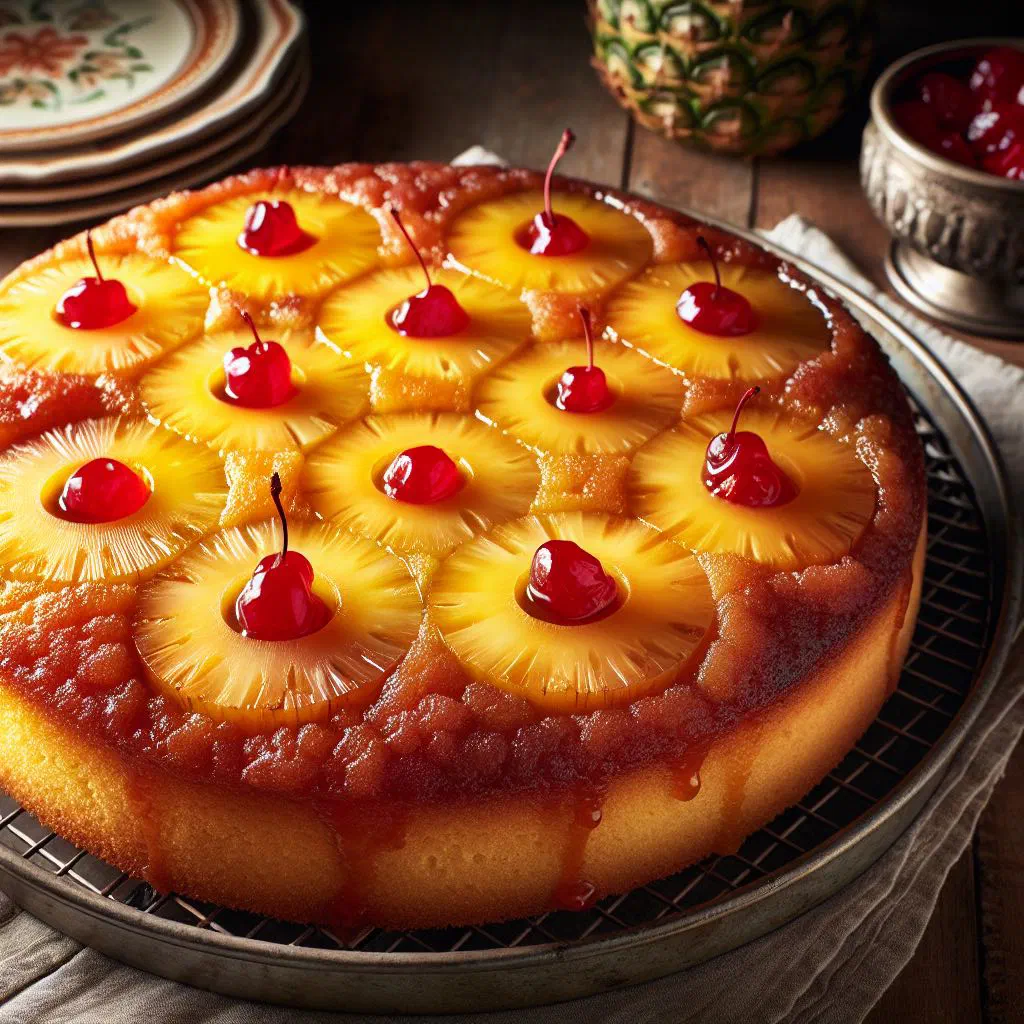
Meet Pineapple Upside-Down Cake, a tropical showstopper that turns a handful of simple store-cupboard ingredients into pure sunshine. Juicy pineapple rings caramelise in butter and brown sugar at the bottom of the tin, then emerge glistening on top once the cake is turned out. Beneath them sits a soft, tender sponge that soaks up every last drop of that golden syrup. It is the kind of dessert that suits a family Sunday just as happily as a big island celebration.
About Pineapple Upside-Down Cake
Pineapple Upside-Down Cake is a genuine classic of the Micronesian dessert table. Its origins lie in the United States, but it has been adopted with enthusiasm across the Pacific and far beyond. The method is what makes it special: the pineapple is caramelised first, then covered with a moist batter, so that every slice carries both fruit and sponge. That interplay of fruity, sweet and gently spiced flavours makes it an ideal pudding for absolutely any occasion.
Ingredients (serves 1–2)
- 1 cup fresh pineapple, sliced
- 1/2 cup soft brown sugar
- 2 tablespoons butter
- 1/2 cup plain flour
- 1/4 cup caster sugar
- 1/2 teaspoon baking powder
- 1/4 teaspoon salt
- 1/4 cup milk
- 1 egg
Shopping for the ingredients
For a truly good Pineapple Upside-Down Cake, it pays to buy fresh, high-quality ingredients. The pineapple is the heart of the dessert, so look for one that is ripe and heavy with juice, a sweet, resinous scent at the base is the surest sign. With the everyday items such as sugar and flour, quality still tells in the finished flavour, and choosing organic butter in particular makes a noticeable difference to the whole cake.
Preparing the dish
Before you start on the cake itself, heat the oven to 175°C. It is also worth greasing a round cake tin with a little butter so the finished cake releases cleanly. Arrange the pineapple slices in the tin in a neat, deliberate pattern, concentric rings or an overlapping spiral both work beautifully. This is what gives the cake its striking looks once it is turned out, and it helps every portion taste as generous as it looks.
Step-by-step instructions
- Melt the butter in the cake tin and scatter the brown sugar evenly over the base.
- Arrange the pineapple slices on top of the sugar.
- In a bowl, mix the flour, caster sugar, baking powder and salt thoroughly.
- In a separate bowl, whisk together the milk and egg, then add to the flour mixture.
- Stir to a smooth batter and spoon it carefully over the pineapple.
- Bake in the preheated oven for about 30 to 35 minutes, until golden brown.
- Let the cake cool briefly, then invert it onto a plate so the pineapple sits on top.
Gluten-free / lactose-free version
To make Pineapple Upside-Down Cake gluten-free, simply use a good gluten-free flour blend in place of the plain flour. For a lactose-free cake, swap the butter for a plant-based fat or a dairy-free margarine, and use lactose-free milk in the batter. It keeps the classic flavour profile intact. With those two small changes, anyone with an intolerance can enjoy this dessert without missing out.
Tips for vegans and vegetarians
For a vegan version, replace the egg with a flax or chia egg, made by stirring ground linseed or chia seeds into water and letting the mixture thicken. The milk can be exchanged for a plant-based alternative such as almond or oat milk, and there are excellent vegan butter substitutes that behave well in the caramel layer. The result is every bit as moist and flavourful as the original, with the same tender crumb.
More tips and tricks
A few small tricks will make your Pineapple Upside-Down Cake even better. A pinch of cinnamon or freshly grated nutmeg in the batter adds a warm, rounded note that flatters the fruit. Do drain the pineapple well before it goes into the tin, or the cake risks turning soggy in the middle. Serving it with a spoonful of tropical cream or a scoop of vanilla ice cream lifts the whole thing further, much as it would alongside a Mango Sorbet.
Adapting the recipe to your taste
This recipe adapts readily to your own preferences. Alongside the pineapple you might scatter in cherries or sliced peaches for a different flavour combination. It is also worth experimenting with sugars: coconut sugar brings a gentle caramel depth, while honey gives a softer, floral sweetness. That flexibility is what makes the cake such fertile ground for creativity, the same spirit you will find in a Coconut Banana Bread.
Ingredient substitutions
If you would rather cut back on refined sugar, natural sweeteners such as agave syrup or stevia do the job nicely. Swapping the butter for coconut oil gives the cake a distinctly tropical accent, and Greek yoghurt used in place of the milk produces a richer, creamier crumb. Substitutions like these keep the recipe lighter without sacrificing any of the flavour, in the way that a Cassava Cake stays satisfying with very simple ingredients.
Drink pairing ideas
The right drink rounds off the experience. A fruity pineapple or mango smoothie is a natural partner, while a cocktail built on coconut water or a well-chilled iced tea adds another layer of tropical character. Something like a Soursop Juice offers a tart counterpoint to all that caramel. For traditionalists, a plain glass of cold milk remains a hard combination to beat with a sweet cake.
Serving and presentation ideas
Presentation matters when you are serving a cake this photogenic. Use a special serving platter and decorate with fresh mint leaves and edible flowers for a splash of colour. A small scoop of vanilla ice cream beside each slice adds a lovely temperature contrast and balances the sweetness of the caramel. We eat with our eyes first, and a thoughtful arrangement genuinely heightens the pleasure of the dessert.
A bit of history
Pineapple Upside-Down Cake has an interesting history that reaches back to the 1920s. It became popular once tinned pineapple was widely available in the United States, and households everywhere began working the fruit into their baking. This versatile dessert has since taken root in a great many countries. In Micronesia it appears not only as an everyday pudding but as part of celebrations and special occasions, sitting comfortably alongside the rest of Micronesian cuisine.
More recipe ideas
Summary: Pineapple Upside-Down Cake
Pineapple Upside-Down Cake is an appealing dessert that appeals to the palate and the eye in equal measure. With its pairing of sweet, caramelised pineapple and a tender sponge, it brings the tropical warmth of Micronesia straight into your kitchen. It is endlessly versatile and easy to make your own. Let the possibilities inspire you and enjoy this classic in your own version.