National Dish Micronesia: Taro Cake (Recipe)
In this article
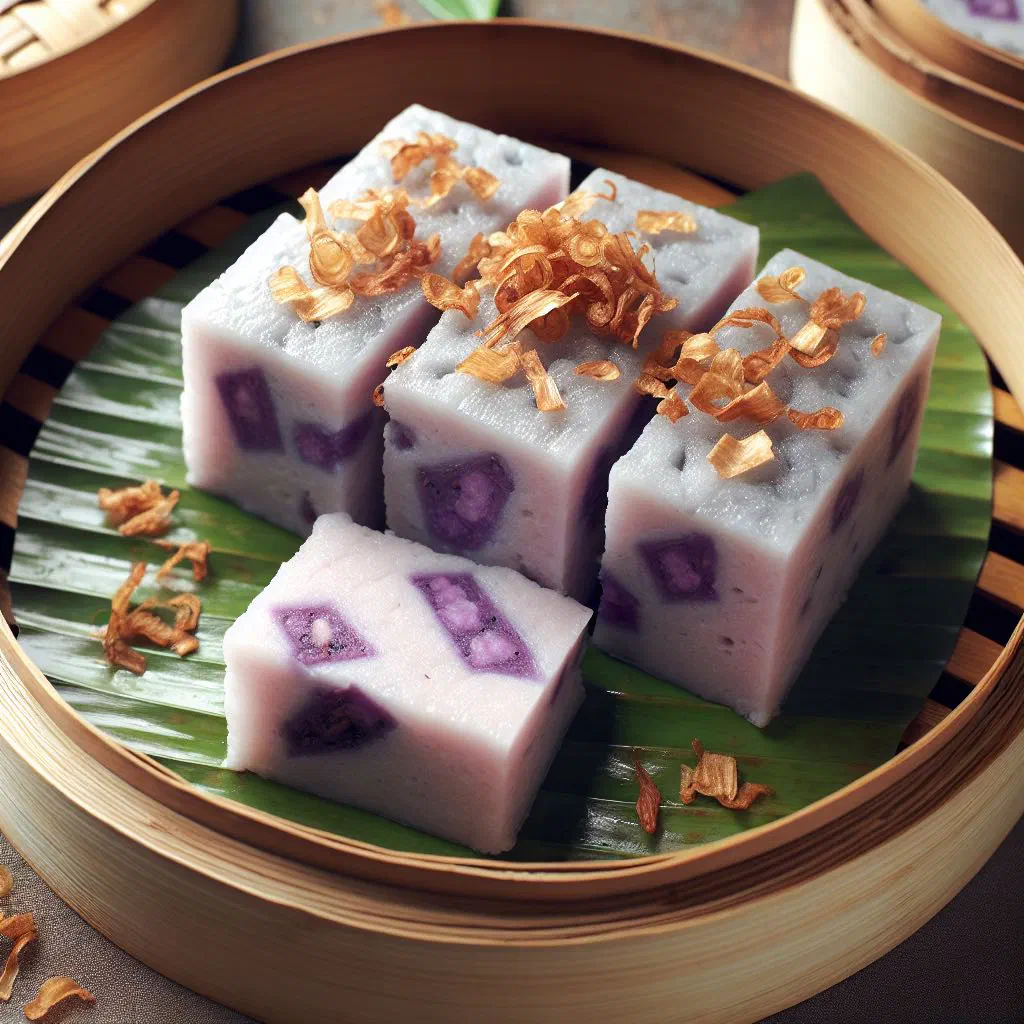
Step into the gentle, island-sweet world of Micronesian baking with Taro Cake. Built around the starchy taro root and enriched with coconut milk, it is the kind of unfussy bake that suits a quiet afternoon just as well as a family celebration. The recipe is forgiving, endlessly adaptable and naturally suited to most diets, and its soft violet crumb makes it as pretty on the plate as it is comforting on the fork.
About Taro Cake
Taro Cake is a traditional bake that speaks directly to the culture and heritage of Micronesia. It is built above all on the taro root, prized across the Pacific for its mellow sweetness and its remarkable versatility. The cake has a flavour all of its own and a striking colour that turns it into a genuine centrepiece. Taro cake is always a treat.
Ingredients (serves 1–2)
- 200 g taro root
- 100 g sugar
- 1 teaspoon vanilla extract
- 100 g rice flour
- 150 ml coconut milk
- 1/2 teaspoon baking powder
- A pinch of salt
Shopping for the ingredients
When shopping for the ingredients, the most important thing is to pick out fresh taro roots. They should feel firm and be free of blemishes or soft, bruised patches. Coconut milk is stocked by most supermarkets, and you will always find it in an Asian grocery. Rice flour is usually easy to come by too, either in the same aisle or among the gluten-free products.
Preparing the dish
Getting ready to bake a taro cake is straightforward and requires no special skill. First peel the taro root and cut it into small pieces. Then simmer the pieces in a pan of water until soft, which takes roughly 20–30 minutes. Once cooked, let the taro cool before you work with it further, so that it blends smoothly into the rest of the ingredients.
Step-by-step instructions
- Peel the taro root and cut it into small cubes.
- Simmer the cubes in a pan of water until soft.
- Let the cooked taro cool, then purée it.
- In a bowl, combine the sugar, vanilla extract, coconut milk and puréed taro.
- Add the rice flour, baking powder and a pinch of salt, and mix well.
- Pour the mixture into a greased baking tin.
- Bake in a preheated oven at 180 °C for about 30–40 minutes.
- Take the cake out and let it cool before cutting it into pieces.
Gluten-free / lactose-free version
The good news for anyone with dietary restrictions is that taro cake is naturally gluten-free and lactose-free in its original form. If you want to be certain that every ingredient meets those requirements, use certified gluten-free rice flour and fresh, unadulterated coconut milk. These small adjustments make the cake even more welcoming, much like the naturally dairy-free Coconut Tapioca.
Tips for vegans and vegetarians
For vegans, taro cake is an excellent choice, since it contains no animal products at all. The sugar can be swapped for an alternative sweetener such as agave syrup if you would like a gentler option. Do check that every ingredient you use is vegan-friendly, particularly the coconut milk. The flavour and texture stay exactly the same, so vegans can enjoy this dessert just as much as anyone else.
More tips and tricks
To make your taro cake even more flavourful, various ingredients can be added or adjusted. Experiment with spices such as cinnamon or nutmeg, which lend the crumb an extra dimension. Adding chopped nuts or dried fruit brings welcome texture and variety as well. Just remember to adjust the baking time accordingly whenever you change the recipe.
Adapting the recipe to your taste
The great thing about this recipe is its versatility. You can dial the sweetness up or down simply by using more or less sugar, depending on your own palate. Other flours work well too. Try almond flour or potato starch in place of the rice flour. That freedom lets you shape the recipe around your preferences and create your own variations.
Ingredient substitutions
If you cannot lay your hands on taro root, sweet potatoes make an excellent alternative. They offer a similar texture and sweetness while remaining a wholesome choice, the same principle behind a good Sweet Potato Pancakes batter. For sweetening, honey or coconut sugar both work nicely. Keep an eye on the consistency whenever you substitute, so the finished cake still bakes evenly.
Drink pairing ideas
Light drinks suit a slice of taro cake best. A freshly brewed fruit tea or a glass of coconut water complements the flavours of the cake beautifully. A simple glass of sparkling mineral water with lemon also gives a refreshing contrast to the sweetness. Experiment with different combinations until you find the pairing you like most.
Serving and presentation ideas
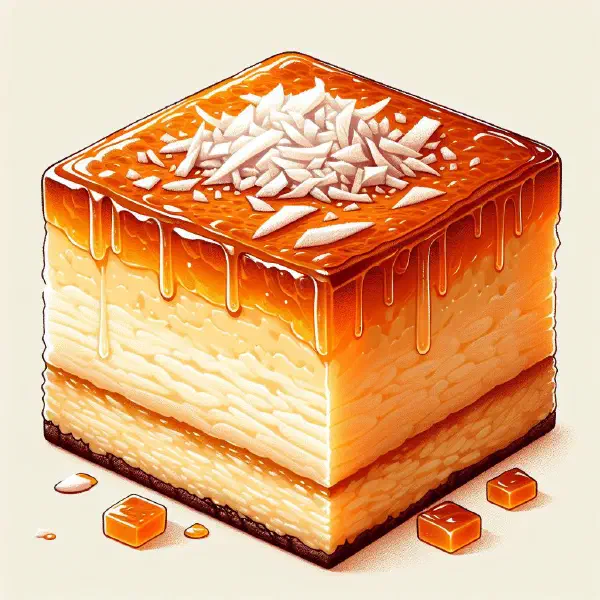
Presentation can lift the enjoyment of a dish considerably. Serve the taro cake in neat little squares on a decorative plate. Garnish it with fresh fruit or edible flowers to give it a festive look. A sugar glaze or a drizzle of caramel sauce can be added too, making the cake even more appealing to the eye, a trick that works equally well with Ube Coconut Cake.
A bit of history
The history of taro cake reaches far back into Micronesian tradition, where the culinary culture is shaped closely by the land and the sea. Taro is one of the oldest cultivated plants on earth and has played a central role across many Pacific islands. The cake is often served at feasts and on special occasions. Through recipes like this one, that cultural heritage stays alive and is handed down from one generation to the next, as so much of Micronesian cuisine has been.
More recipe ideas
- Taro And Coconut Pudding
- Coconut Banana Bread
- Rice Pudding
- Roasted Taro With Coconut Cream
- Coconut Pancakes
Summary: Taro Cake
Taro cake from Micronesia is not simply an easy recipe; it is a genuine taste experience. With its delicate sweetness and its lovely colour, this cake brings a little joy to any table. Thanks to its flexibility and the many ways it can be adjusted, it suits a wide range of diets and preferences. Let this traditional bake inspire you and enjoy a tour through the varied world of Micronesian cooking.