National Dish Micronesia: Taro Mash (Recipe)
In this article
Meet Taro Mash, a wonderfully creamy staple from the islands of Micronesia. Made from freshly boiled taro root and enriched with coconut milk, it has a gentle, earthy sweetness that sets it apart from any potato mash you have tried. It is simple, filling and endlessly adaptable, equally at home as a side dish beside grilled fish or as a comforting main in its own right. Bring a taste of the Pacific to your kitchen tonight.
About Taro Mash
Taro Mash is a traditional dish from Micronesia, prepared in households right across the islands. It is built almost entirely around fresh taro roots, which lend the mash its creamy body and distinctive earthy flavour. Taro is not only delicious but genuinely nutritious, supplying important vitamins and minerals. The preparation is straightforward and practical, which makes taro mash an excellent choice for everyday meals as well as for family gatherings.
Ingredients (serves 1–2)
- 300 g fresh taro roots
- 50 ml coconut milk
- 1 tablespoon butter or margarine
- Salt to taste
- Pepper to taste
- Optional: fresh herbs, to garnish
Shopping for the ingredients
When buying taro roots, pay attention to their freshness and to the size of the tubers. Choose firm roots with no soft spots or cracks in the skin. Coconut milk is usually sold in tins and keeps well in the cupboard, while butter or margarine can be found in any supermarket. Wherever possible, favour organic or locally grown produce to guarantee the quality of your ingredients.
Preparing the dish
Begin by scrubbing the taro roots thoroughly. Cut them into evenly sized pieces so that they cook through at the same rate. Take care when handling raw taro, as the skin can cause mild irritation on contact, wearing gloves while peeling is a sensible precaution and avoids any unpleasant reaction. Once peeled and diced, the roots are ready for the pan.
Step-by-step instructions
- Put the peeled and diced taro roots into a pan of lightly salted water and bring to the boil.
- Once the water is boiling, reduce the heat and simmer the roots for around 20 minutes until soft.
- Drain the cooked taro roots and tip them into a bowl.
- Add the coconut milk, butter, salt and pepper.
- Work everything into a smooth purée using a potato masher or a fork.
- Garnish with fresh herbs to taste and serve straight away.
Gluten-free / lactose-free version
Taro mash is naturally gluten-free, which makes it an excellent option for anyone with a gluten intolerance. To make the dish suitable for those who are lactose intolerant, simply swap the butter for a plant-based alternative such as coconut butter or vegan margarine. The mash keeps all of its creaminess this way, without any dairy at all. Enjoy taro mash entirely worry-free.
Tips for vegans and vegetarians
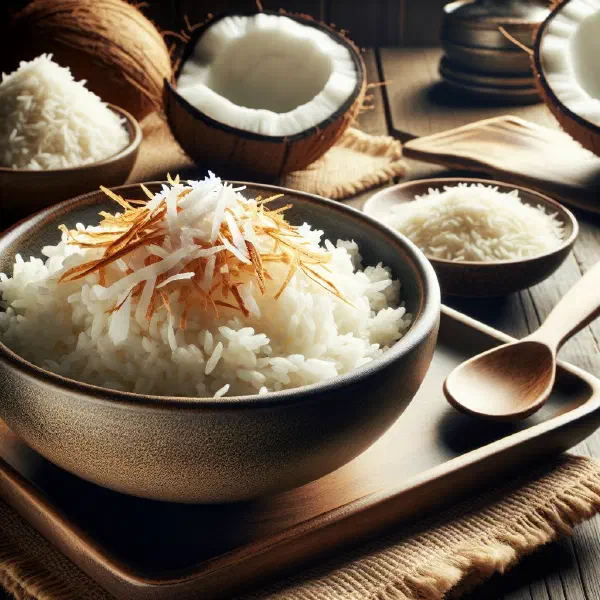
For vegans, taro mash is a great choice, since every core ingredient is already plant-based. Just be sure to replace the butter with a vegan alternative to keep the dish fully vegan. Beyond that, you can experiment with different plant-based milks such as almond or oat milk. These give the purée an interesting new note without changing the character of the base ingredients, much like the coconut-rich Coconut Rice served across the islands.
More tips and tricks
To deepen the flavour of taro mash, try adding spices such as nutmeg or garlic powder. These give the dish extra depth and bring the aromas into sharper focus. Another useful tip is to let the purée cool slightly before serving, as the flavours open up better at a gentler temperature. Feel free to experiment with different additions until you have created your own perfect taro mash.
Adapting the recipe to your taste
Taro mash lends itself beautifully to personal adaptation. If there is a vegetable you particularly enjoy, fennel or squash can be folded in to enrich the purée. The consistency is easy to change too. Simply add more or less liquid depending on how creamy you want the result. The more adventurous among you might also try different fats, such as olive oil for a Mediterranean touch, or serve the mash alongside Roasted Taro with Coconut Cream for contrast.
Ingredient substitutions
If you cannot find taro roots, you can replace them with other starchy tubers such as sweet potatoes or ordinary potatoes. These alternatives will not fully reproduce the characteristic taste of taro mash, but they bring their own charm to the dish. The coconut milk is just as easy to swap for another plant-based milk if you want to try different flavours. Substitutions like these make the recipe even more versatile.
Drink pairing ideas
Plenty of refreshing drinks suit taro mash and complement its mild flavour. A fresh coconut drink is an excellent choice, since it carries the aromas of the purée further. A lightly sparkling aperitif, such as a dry white wine or an alcohol-free cocktail, can harmonise nicely as well. Something fruity like Soursop Juice also works beautifully, experiment until you find your perfect combination.
Serving and presentation ideas
The presentation of taro mash can be lifted with fresh herbs such as coriander or parsley scattered over the purée. Serve it in an attractive bowl and add a touch of desiccated coconut as a garnish. You can also arrange colourful vegetables to one side to create a lively, inviting plate, or pair it with Grilled Fish for a fuller meal. An appealing presentation turns eating into an occasion.
A bit of history
Taro mash has a long tradition in Micronesian cuisine and counts as one of the staple foods of the region. It reflects the farming practices and the way of life of people deeply rooted in the natural world around them. Taro has been cultivated in Micronesia for centuries and has been a cornerstone of the local diet ever since. Enjoying taro mash today is an expression of cultural identity and a way of bringing community and family together at the table.
More recipe ideas
- Taro and Coconut Pudding
- Fried Taro
- Taro Leaf Stew
- Poached Breadfruit in Coconut Milk
- Sweet Potato Pancakes
Summary: Taro Mash
Taro mash is a simple but delicious dish from Micronesia, made from fresh taro roots. It is nutritious, easy to digest and works equally well as a side dish or as a main course. With its creamy texture and mild flavour, it is a genuine pleasure to eat. Thanks to the many ways it can be adapted and varied, taro mash quickly becomes a firm favourite in any kitchen.