National Dish Micronesia: Ube Coconut Cake (Recipe)
In this article
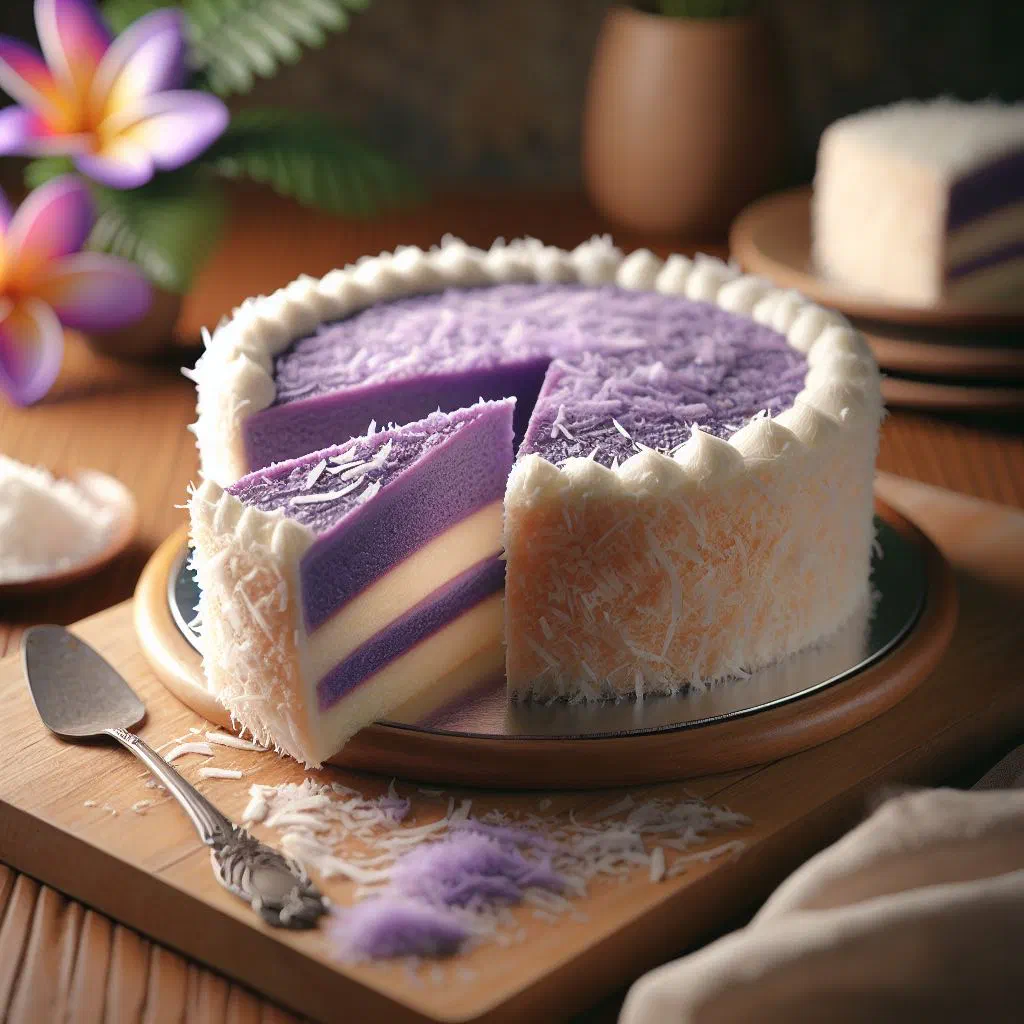
Few desserts announce themselves quite as boldly as Ube Coconut Cake. Built on the vivid purple yam known as ube and enriched with creamy coconut milk, this island bake is as much a feast for the eyes as for the palate. The yam brings a gentle, nutty sweetness; the coconut adds richness and a whisper of the tropics. Whether it appears at a wedding, a christening or a quiet Sunday afternoon, this cake never fails to draw a crowd.
About Ube Coconut Cake
Ube Coconut Cake is a genuine highlight of Micronesian cuisine, uniting two wonderful ingredients: purple ube and creamy coconut. The purple yam contributes a striking colour and a natural sweetness and a subtly nutty flavour. This dessert is a pleasure for the palate and an eye-catcher on any festive table. At weddings, births and other celebrations alike, the cake reliably steals the show.
Ingredients (serves 1–2)
- 200 g purple ube, cooked and puréed
- 150 g coconut milk
- 100 g sugar
- 150 g plain flour
- 2 eggs
- 1 teaspoon baking powder
- 1 pinch of salt
- A splash of vanilla extract
Shopping for the ingredients
The right ingredients make all the difference to an Ube Coconut Cake. Ube can be found in Asian supermarkets or ordered online, either fresh or frozen, and it also turns up as a ready-made purée or powder. Coconut milk is easy to source in any supermarket, whether tinned or in a carton, the same tropical staple that gives Coconut Rice its silky character. With flour and sugar it pays to look at quality, as this has a noticeable effect on the finished flavour.
Preparing the dish
Before you start baking, lay out all your ingredients and weigh them where needed. One important step is to cook the ube and then purée it until completely smooth, which makes it far easier to fold into the batter. Preheat the oven at the same time so it has reached the correct temperature the moment the cake is ready to go in.
Step-by-step instructions
- Preheat the oven to 180°C and lightly grease a cake tin.
- In a bowl, mix the puréed ube and the coconut milk until well combined.
- Add the sugar, eggs and vanilla extract and beat everything to a smooth batter.
- Combine the flour, baking powder and salt in a separate bowl, then fold into the ube mixture.
- Pour the batter into the prepared tin and spread it evenly.
- Bake in the preheated oven for about 25–30 minutes, until a skewer comes out clean.
Gluten-free / lactose-free version
Ube Coconut Cake is easily made gluten-free and lactose-free. Simply replace the ordinary flour with a good gluten-free flour blend. For a lactose-free version, coconut milk stands in perfectly for conventional dairy milk. Do check that the sugar and remaining ingredients contain no hidden sources of lactose. That way anyone with particular dietary needs can still enjoy a generous slice.
Tips for vegans and vegetarians
Vegans can adapt the cake with very little effort by swapping the eggs for plant-based alternatives. Apple sauce or soaked flaxseed both work beautifully as binders in the batter. Beyond that, make sure the coconut milk and sugar are certified vegan. With a touch of creativity, a plant-based version loses nothing in flavour or texture.
More tips and tricks
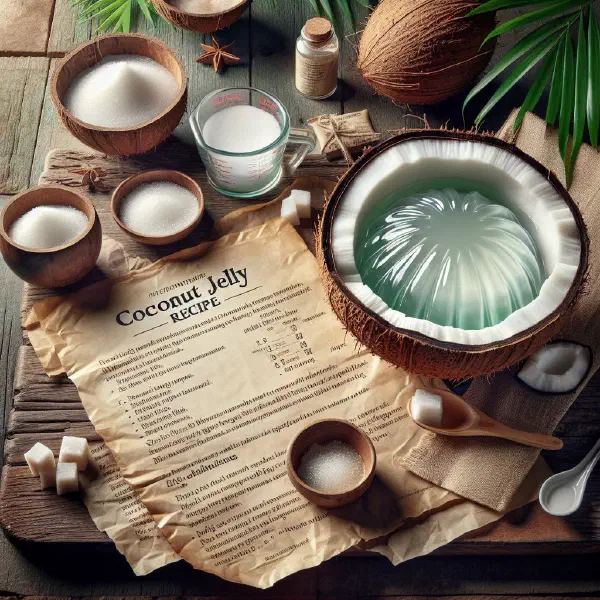
To make the cake even more special, play with the toppings. Scattering freshly toasted coconut over the top is the simplest option, or you might add a thin sugar glaze. Let the cake cool thoroughly before serving so the crumb sets properly. A short spell in the fridge gives it an extra touch of freshness, much as it does for a chilled Coconut Jelly.
Adapting the recipe to your taste
Ube Coconut Cake is remarkably accommodating and can be shaped entirely around your own preferences. You might dial the sweetness back by using less sugar, or try natural sweeteners such as honey or maple syrup. Experiment with warming spices like cinnamon or nutmeg to give the cake a distinctive character.
Ingredient substitutions
If some of the ingredients are hard to come by, there are plenty of alternatives. Should purple ube prove elusive, ordinary sweet potatoes will do the job, though both the colour and the flavour will differ, the very same swap that works in Sweet Potato Pancakes. Taro is another fine option for a similar island bake. In place of coconut milk you can use plant-based milks such as almond or soya, which taste slightly different but perform well.
Drink pairing ideas
The cake pairs happily with all sorts of drinks. A freshly brewed tea is an excellent choice, particularly green tea or a coconut-scented blend. A fruity mocktail also complements the dessert nicely, a mix of mango and pineapple, for example. Served this way, afternoon tea becomes a genuinely memorable occasion with a hint of South Pacific sunshine.
Serving and presentation ideas
Presentation does a great deal for the overall impression. Serve the cake on a brightly coloured stand and decorate it with fresh fruit or edible flowers for a tropical flourish. A delicate coconut glaze or piped cream rounds off the picture. Handled this way, your dessert is not merely delicious but a visual centrepiece, the sort of finish that also suits a Pineapple Upside Down Cake.
A bit of history
Ube Coconut Cake has its roots in the traditional cooking of Micronesia and reflects the cultural variety of the region. Ube, also known as purple yam, is popular across many Asian kitchens and features in a great many desserts. Pairing it with coconut is equally typical of the tropics, where coconut palms grow in abundance. The cake is often served at festivals and celebrations, bringing a slice of island life to the home kitchen.
More recipe ideas
Summary: Ube Coconut Cake
Ube Coconut Cake is a delicious and flexible dessert that pleases both eye and palate while offering a real connection to the culture of Micronesia. Thanks to its inviting colour and straightforward method, it suits celebrations of every kind. There are countless ways to adjust the recipe to personal taste and to bring in new ingredients. Gluten-free or entirely classic, this cake is bound to be a success on any tea table.