National Dish Moldova: Borș (Recipe)
In this article
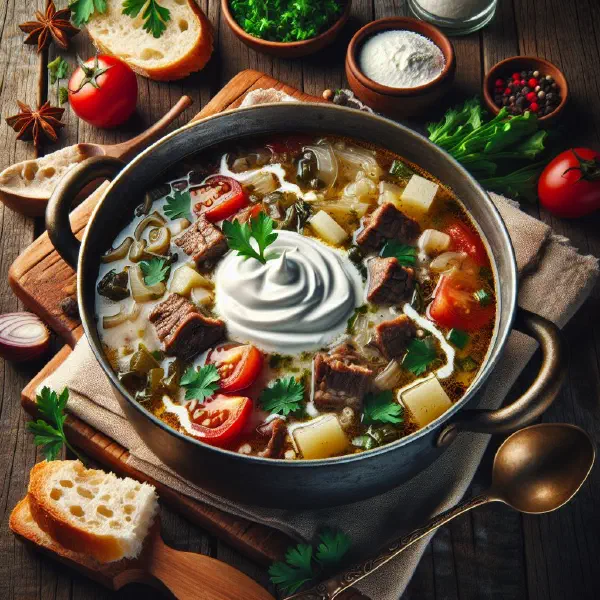
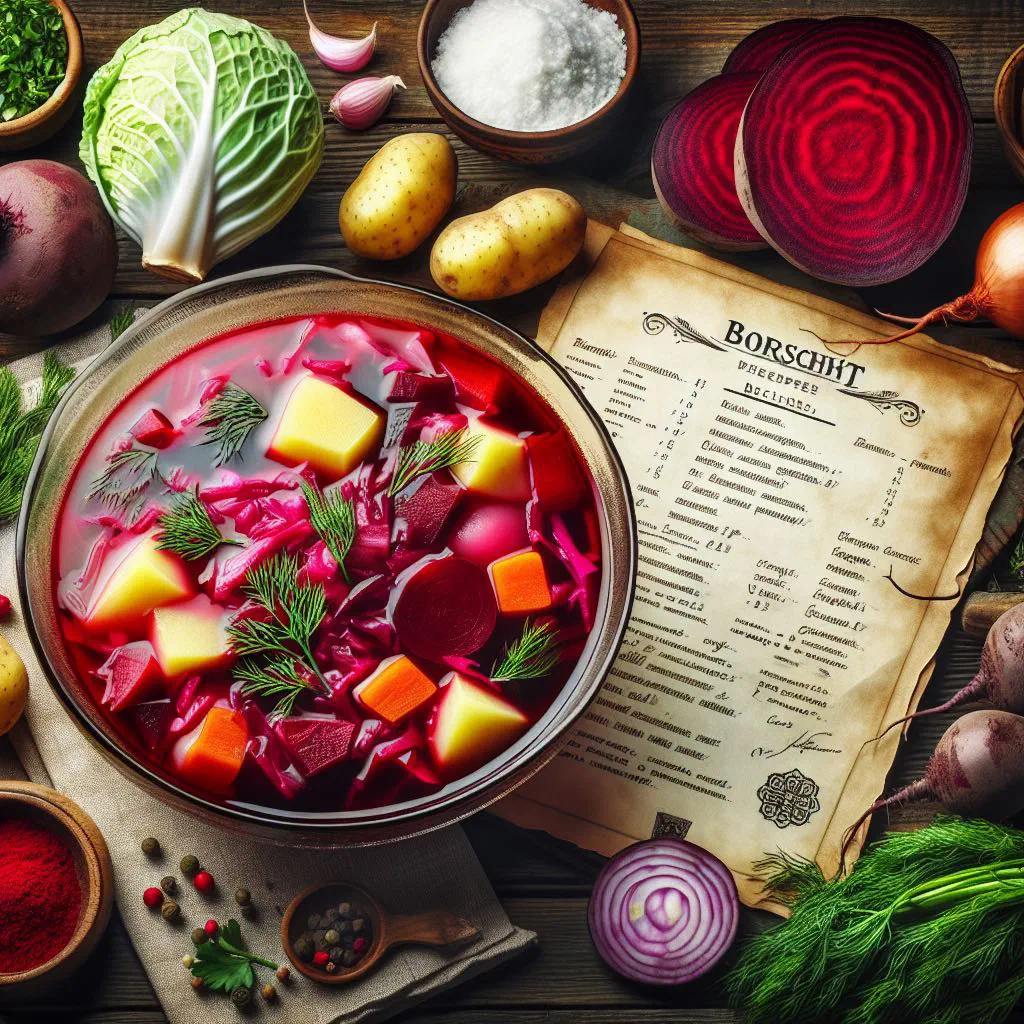
Meet Borș, the tangy soul-warming soup at the heart of Moldovan home cooking. Its bright, gently sour edge comes not from vinegar but from a fermented liquid made with wheat bran, giving the broth a depth that plain stock could never manage. Loaded with tender vegetables and slow-simmered meat, it is exactly what you want on a cold, grey afternoon, served with crusty bread and a generous spoonful of soured cream.
About Borș
Borș is a traditional sour soup that plays a central role in Moldovan cooking. It is usually built from fresh vegetables, meat and a special fermented base that gives it its characteristic tang. The soup is not only full of flavour but genuinely nourishing, which is why it is such a favourite in the colder months. Borș is often served with fresh bread and soured cream, both of which round the dish off beautifully.
Ingredients (serves 1–2)
- 200 g pork (shoulder or gammon works well)
- 1 medium onion
- 1 carrot
- 2–3 potatoes
- 1 pepper
- 1 litre water
- 300 ml borș (fermented bran liquid)
- 1 tablespoon vegetable oil
- Salt and pepper to taste
- Fresh herbs to garnish (dill or parsley)
Shopping for the ingredients
When shopping for borș, freshness and quality make all the difference. Head to a local market for the fresh vegetables that form the backbone of the soup, and choose good meat. It carries much of the flavour of the finished broth. Do not forget the fermented borș itself, which most Eastern European grocers stock; the same shops are a good source for the staples behind Mămăligă and other Moldovan classics.
Preparing the dish
For borș it pays to get all the ingredients properly prepared before you start cooking. Wash, peel and dice the vegetables into small, even cubes, and cut the meat into bite-sized pieces. This step matters more than it sounds: uniform pieces cook at the same rate, so nothing turns to mush while something else is still firm, and every flavour has a chance to come through.
Step-by-step instructions
- Heat the vegetable oil in a large pot and add the diced onion. Fry until golden brown.
- Add the meat and brown it for a few minutes on all sides.
- Add the chopped vegetables (carrot, potatoes, pepper) along with the water, and bring everything to the boil.
- Once boiling, lower the heat and let the soup simmer for around 30 minutes, until the vegetables and meat are tender.
- Pour in the fermented borș and simmer for a further 10 minutes.
- Season with salt and pepper, then garnish with fresh herbs.
Gluten-free / lactose-free version
Borș is naturally gluten-free and lactose-free in its basic form, which makes it a reliable choice for anyone with intolerances. Do check, though, that the fermented borș you buy is wheat-bran-free if you are strictly avoiding gluten, and that the oil and stock carry no hidden additives. Made with fresh ingredients from the start, the soup keeps its clean, honest flavour without any need for substitutes.
Tips for vegans and vegetarians
For a vegan or vegetarian borș, simply leave out the meat and add more vegetables or a plant protein such as tofu. Use vegetable stock instead of plain water to build back some depth. It is worth checking that the fermented borș is vegan too, as a few commercial products contain animal-derived ingredients. Handled this way the soup stays every bit as satisfying, much like the meat-free Tocana de Legume.
More tips and tricks
A few extra tips turn a good borș into a memorable one. Spices such as caraway or paprika shift the flavour in interesting directions without masking the sourness. Let the finished soup rest for a few hours, or even overnight, so the flavours have time to settle and mingle. It is almost always better on the second day. Serve it at your next family meal and it will disappear quickly.
Adapting the recipe to your taste
The real charm of borș is how forgiving it is. Depending on your own taste, you can shift the proportions or bring in new vegetables altogether, cauliflower and courgette both work nicely. Play with different combinations until you land on the balance that suits your household. If you like a soup with more body, take a look at the heartier Ciorbă de Fasole.
Ingredient substitutions
If something is missing from the shopping list, there are easy alternatives. Chicken breast or beef stand in perfectly well for pork. Instead of the usual pepper you can use milder vegetables such as extra carrot or even green beans. That flexibility is what lets you adapt borș to the season, to what is in the fridge, and to the preferences of whoever is at the table.
Drink pairing ideas
The right drink rounds off a bowl of borș nicely. A crisp sparkling water or a light beer holds its own against the soup’s strong, sour notes. If you prefer something with a touch of sweetness, a fruity white wine is a good match. For a more traditional Moldovan pairing, a homemade fruit compote such as Compot de Fructe sits beautifully alongside it.
Serving and presentation ideas
Presentation counts for a lot with a soup as rustic as this one. Serve borș in deep bowls and garnish with freshly chopped herbs. A loaf of good bread on the table signals the rest of the meal and pulls the whole spread together. Small dishes of soured cream alongside are a lovely touch, letting each guest adjust the richness of their own bowl exactly as they like it.
A bit of history
Borș has a long history in Moldovan culture. The soup grew out of rural cooking, where simple ingredients were stretched into something genuinely nourishing. Over time it spread beyond Moldova into neighbouring Eastern European countries, picking up regional variations along the way. Today it counts as a national dish and is a symbol of the culinary identity of Moldovan cuisine.
More recipe ideas
Summary: Borș
Borș is a delicious, adaptable soup that captures the spirit of traditional Moldovan cooking. Made with fresh ingredients and a straightforward method, it suits the whole family and rewards a bit of patience. Borș wins people over with its distinctive sourness and its warm, homely aromas, flavours that reach right back to the roots of Moldovan culture. Give it a go and let the tastes of Moldova do the rest.