National Dish Moldova: Găluște cu prune (Recipe)
In this article
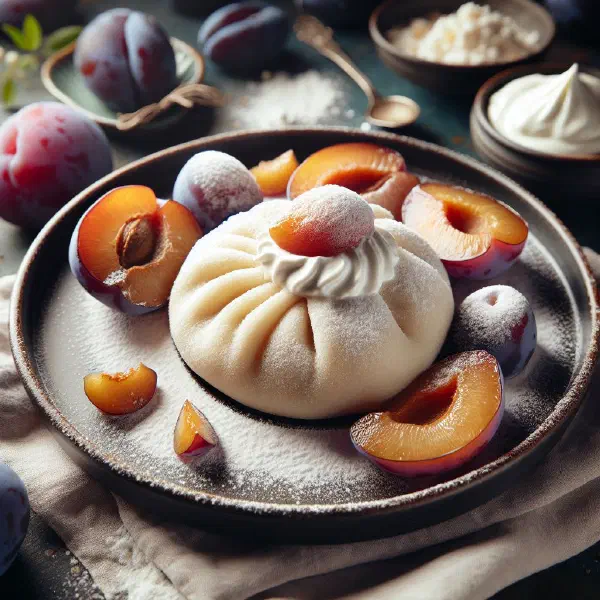
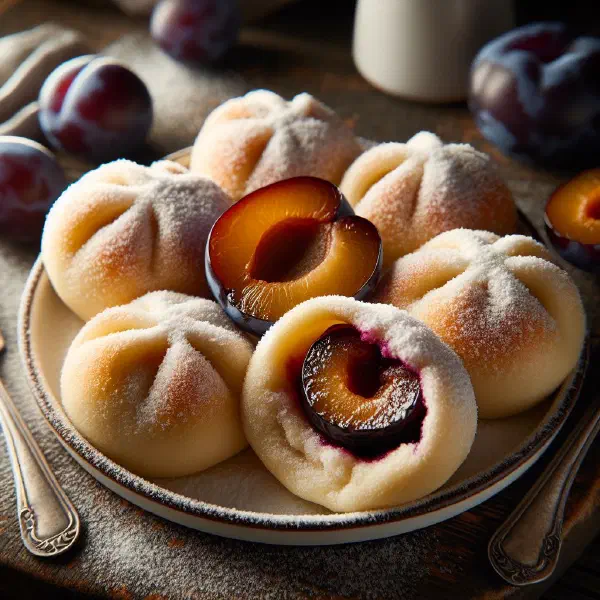
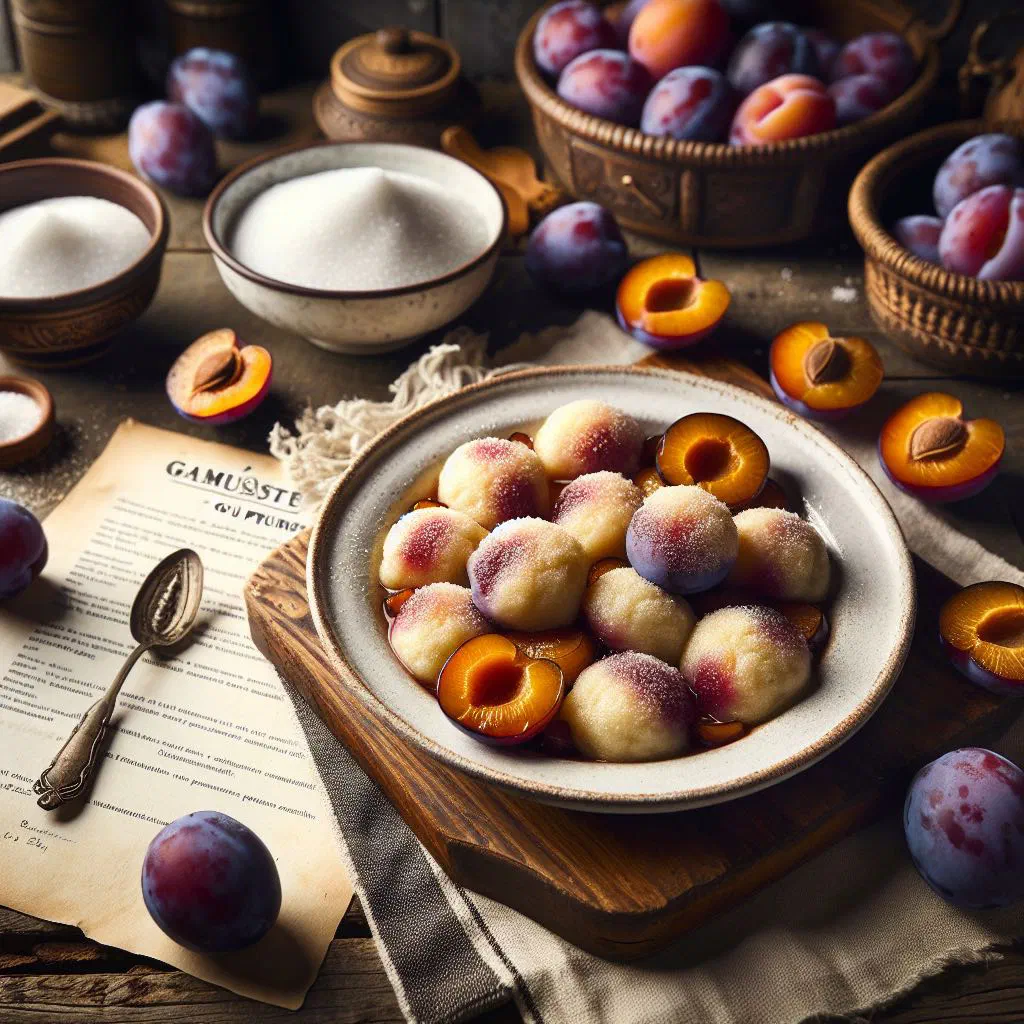
Meet Găluște cu prune, the plum-filled potato dumplings that Moldovan cooks have been rolling by hand for generations. Soft, pillowy and warm from the pan, each one hides a whole juicy plum that bursts sweetly the moment you cut into it. Finished with butter and a dusting of sugar, they sit somewhere very between a comforting supper and a proper pudding, and they are far easier to make than they look.
About Găluște cu prune
Moldovan cooking is known for its variety and its reliance on fresh, local produce, and Găluște cu prune are a fine example of that tradition. These potato dumplings, stuffed with ripe plums, strike a lovely balance between savoury and sweet. They are not only a much-loved dish across Moldova but a genuine treat that has won over plenty of curious food lovers abroad, much like the country’s other fruit-filled favourites such as Clatite Cu Dulceata.
Ingredients (serves 1–2)
- 500 g potatoes
- 150 g plain flour
- 200 g plums
- 1 egg
- 2 tablespoons sugar
- 1 pinch of salt
- Butter, to serve
Shopping for the ingredients
The ingredients for Găluște cu prune are easy to track down in any well-stocked supermarket or at a local market. Do take care to pick fresh, properly ripe plums, as they give the dumplings their best flavour. For the potatoes, choose a floury variety that cooks down well and mashes smoothly. Buying from local growers is well worth it if you want produce at its freshest.
Preparing the dish
Preparing Găluște cu prune takes a little time, but the method itself is straightforward. Begin by boiling the potatoes until they are completely soft. Let them cool slightly, then mash them thoroughly. The mash should be smooth and free of lumps so the dumplings end up with a pleasant, even texture.
Step-by-step instructions
- Peel and chop the potatoes, then bring them to the boil in a pan of water.
- After about 20 minutes, drain the potatoes and mash them.
- Combine the mashed potato with the flour, egg, sugar and salt.
- Stone the plums and halve them.
- Shape pieces of the dough around a plum and roll each one into a neat dumpling.
- Drop the dumplings into boiling water and cook for around 10 minutes, until they rise to the surface.
- Serve the dumplings with butter and a sprinkling of sugar.
Gluten-free / lactose-free version
For a gluten-free take on Găluște cu prune, swap the wheat flour for rice flour or a ready-made gluten-free blend. These alternatives generally behave well in this recipe and give a very similar consistency. For a lactose-free version, replace the butter with a plant-based margarine or a little olive oil. With those small adjustments, everyone at the table can tuck in.
Tips for vegans and vegetarians
To make Găluște cu prune vegan, replace the egg with a plant-based binder such as mashed banana or ground linseed. Either will hold the dumplings together nicely without any animal products. Serve them with vegan margarine instead of butter, and the traditional character of the dish stays completely intact, the same approach works well with dumpling dishes like Coltunasi.
More tips and tricks
One key tip is not to overwork the dough: knead it as little as possible and the dumplings will stay tender. You might also consider flavouring the dough with a touch of vanilla or cinnamon for extra warmth. Swapping the filling for other fruit, apples or berries, say, gives you another pleasant variation.
Adapting the recipe to your taste
Găluște cu prune can be tailored entirely to your own preferences. Vary the amount of sugar depending on how sweet you want the finished dumplings to be. The plums themselves can change too: dried prunes, soaked in water beforehand, work beautifully and bring a deeper, more concentrated flavour. The recipe is forgiving enough that everyone can find their own perfect version.
Ingredient substitutions
If you have no potatoes to hand, sweet potatoes make an interesting substitute and add a gentle sweetness of their own. The wheat flour can also be replaced with maize flour for a slightly different texture, the same ingredient that underpins Moldovan staples such as Mamaliga. There are plenty of options for adapting the dish to different diets and tastes, so be creative and see which combinations appeal to you.
Drink pairing ideas
Several drinks complement Găluște cu prune rather well. A sweet, fruity herbal tea or a glass of white grape juice will lift the sweetness of the plums. If you fancy something alcoholic, a fruity white wine harmonises nicely with the filling. Try a few combinations and see which one suits your table best.
Serving and presentation ideas
Presentation can add a great deal to the pleasure of eating Găluște cu prune. Serve the dumplings on a brightly coloured plate and garnish with fresh mint leaves or a pinch of cinnamon. A small bowl of extra sugar or cinnamon for dipping makes a charming addition. A little thought at this stage makes the dumplings look far more inviting and builds the anticipation nicely.
A bit of history
Găluște cu prune are deeply rooted in Moldovan culture and reflect the rural traditions of the region. Historically they grew out of the practical demands of peasant cooking, where the aim was to turn seasonal, fresh ingredients into nourishing and flavourful meals. Dumplings play a similar role in many cultures, usually as comfort food in one form or another. This dish is a genuine expression of Moldovan hospitality, and a fine introduction to Moldovan cuisine.
More recipe ideas
Summary: Găluște cu prune
In short, Găluște cu prune are a simple yet immensely popular dish from the Moldovan kitchen. These delicious potato dumplings, filled with sweet plums, strike a perfect balance between savoury and sweet. The possibilities for adaptation are almost limitless. Bring a little piece of Moldova into your own kitchen and enjoy these lovely dumplings for yourself.