National Dish Moldova: Pască (Recipe)

In this article
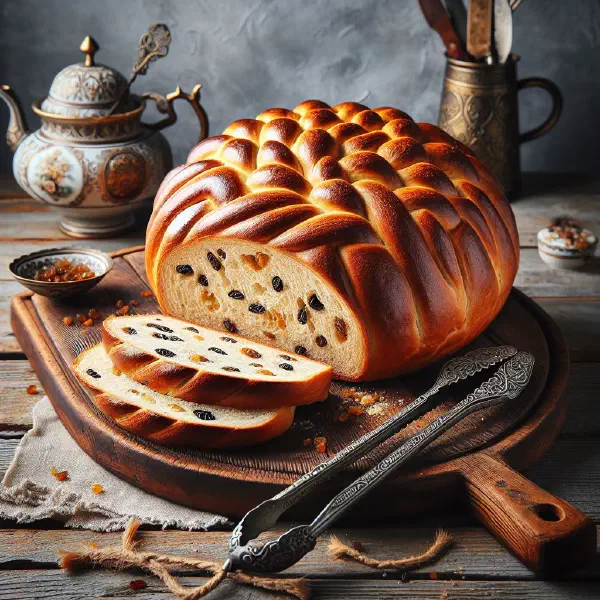
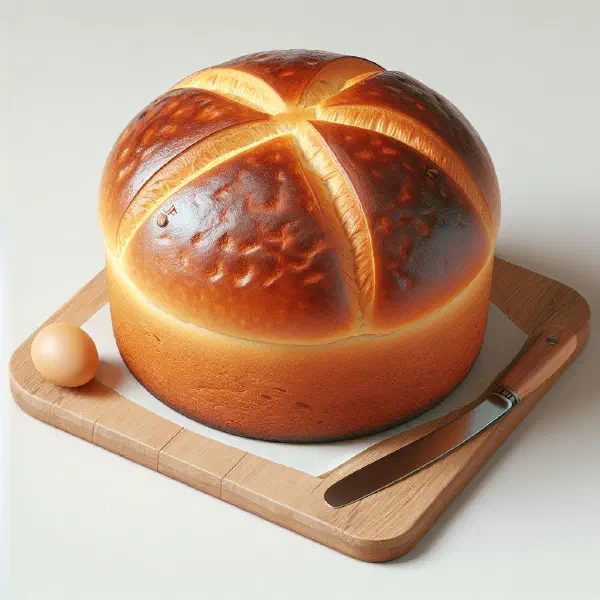
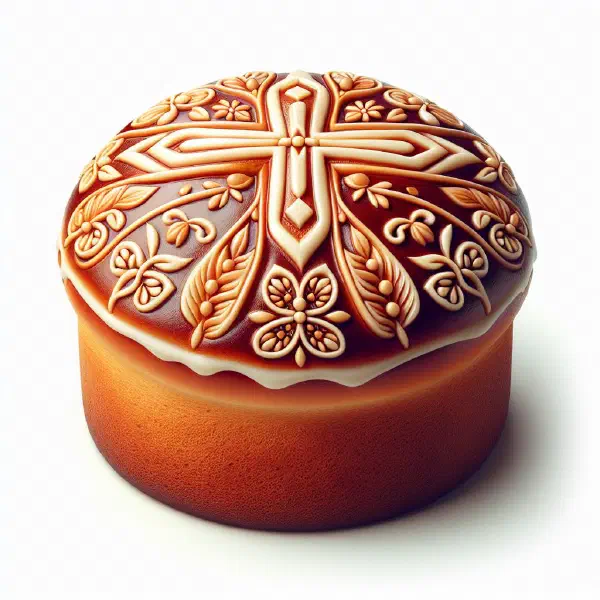
Discover Pască, the fragrant Easter bread that sits at the heart of every Moldovan spring celebration. A soft, enriched yeast dough is wrapped around a sweet cheese filling scented with vanilla and studded with plump raisins, then baked until golden. It is festive baking at its most generous, the kind of loaf that fills the whole house with warmth and brings everyone to the table.
About Pască
Pască is a traditional Moldovan Easter bread with a deeply rooted cultural significance. It is baked not only at Easter but for other festive occasions too. Tender layers of dough enclose a delicious cheese filling, often enriched further with raisins and a hint of vanilla. Making Pască is a sociable affair that brings families and friends together and strengthens the sense of community around the table.
Ingredients (serves 1–2)
- 500 g plain flour
- 250 ml milk
- 100 g sugar
- 150 g quark or ricotta
- 3 eggs
- 50 g butter
- 1 sachet vanilla sugar
- 1 tsp yeast
- A pinch of salt
- 50 g raisins (optional)
Shopping for the ingredients
Head to a nearby supermarket or a local market to pick up fresh, good-quality ingredients. Pay attention to the quality of the flour, as it has a considerable influence on the texture of the bread. The freshness of the eggs and the milk matters just as much for the flavour of the finished loaf.
Preparing the dish
Preparation is the key to a successful Pască. Make sure all the ingredients are at room temperature, especially the milk and the eggs. This helps the flavours come together and gives an even, consistent texture. The raisins should also be soaked in warm water beforehand so they stay lovely and juicy during baking.
Step-by-step instructions
- Dissolve the yeast in the warm milk and leave to stand for about 10 minutes.
- Combine all the dry ingredients in a bowl.
- Add the eggs, the sugar and the melted butter to the yeast mixture.
- Pour the wet ingredients into the dry ingredients and knead thoroughly until you have a smooth dough.
- Cover the dough and leave it to prove in a warm place for about 1 hour, until doubled in size.
- Knead the dough again, prepare the filling and divide the dough into two portions.
- Spread the filling over the dough and seal the edges well.
- Place the loaves in a greased baking tin and leave to prove for a further 30 minutes.
- Bake in a preheated oven at 180°C for about 30–40 minutes.
- Leave to cool, then serve.
Gluten-free / lactose-free version
For anyone with a gluten intolerance or a lactose intolerance, a few adjustments are all it takes. Replace the wheat flour with a gluten-free blend developed specifically for bread baking. Instead of ordinary milk you can use plant-based alternatives such as almond drink or oat milk. Choose lactose-free options for the quark as well to complete the adaptation.
Tips for vegans and vegetarians
Pască is easy to turn vegan too. Replace the eggs with apple purée or a chia pudding to bind the dough. Vegan margarine works well in place of ordinary butter. The quark can be swapped for soya yoghurt or another plant-based cheese alternative, preserving the delicious flavour without using any animal products, much the same approach that works for sweet Clatite Cu Dulceata.
More tips and tricks
The biggest single improvement you can make to your Pască is using fresh ingredients and giving the dough enough proving time. The longer it proves, the airier the bread becomes. Adding aromatics such as cinnamon or citrus zest to the cheese filling enriches the flavour profile considerably.
Adapting the recipe to your taste
The recipe adapts in all sorts of directions to suit personal preference. Add nuts such as almonds or walnuts to the filling for extra texture, as you would in a Cornulete Cu Nuca. The amount of sugar can be varied without difficulty for a less sweet, or even savoury, result. You might also try dried fruits such as apricots or figs in place of the raisins to discover new flavours.
Ingredient substitutions
Several ingredients in Pască can be exchanged to give the recipe a personal touch. Instead of ricotta you can use quark or cream cheese, the same soft cheeses that fill a classic Placinta Cu Branza. When it comes to the milk, plant-based alternatives are well worth considering. Bear in mind that these changes can slightly alter both the flavour and the consistency of the bread.
Drink pairing ideas
Pască goes particularly well with fragrant teas or a glass of fruit juice. If you would rather have something alcoholic, try a glass of crisp white wine or a fruity sparkling wine to complement the sweetness of the bread. These combinations enhance the festive atmosphere and deepen the whole experience while you enjoy your Pască.
Serving and presentation ideas
An attractive presentation can improve the eating experience considerably. Serve the bread on an elegant cake stand or platter and garnish it with fresh fruit or edible flowers. A gentle dusting of icing sugar looks lovely too. Remember to cut the bread into neat slices and serve it warm for the very best flavour, perhaps alongside a bowl of Compot De Fructe.
A bit of history
Pască has a long tradition in Moldovan culture and is closely associated with religious holidays. Baking this bread is not merely a culinary practice but a ritual act that symbolises families coming together. Historically, Pască represents spring and new life, which is why it is most obviously tied to Easter. This delicious bake has evolved over the years and remains to this day a symbol of Moldovan hospitality and of Moldovan cuisine as a whole.
More recipe ideas
Summary: Pască
Pască is far more than a simple bake; it is a symbol of family and tradition. With its tender crumb and sweet cheese filling, it offers a harmonious blend of flavours that enriches any festive occasion. Making this traditional bread gives you plenty of room to be creative and to bring your own preferences into play. Enjoy baking and sharing Pască, and bring a piece of Moldovan culture into your own kitchen.