National Dish Moldova: Plăcintă (Recipe)
In this article
Say hello to Plăcintă, the golden, generously filled pastry that Moldovans reach for at breakfast, at teatime and at every celebration in between. A simple dough wrapped around cheese, potatoes, apples or berries turns into something far greater than the sum of its parts, crisp at the edges, soft and steaming in the middle. It is a snack, a light meal and a whole tradition of hospitality, all baked into one tidy parcel you can make in your own kitchen.
About Plăcintă
Plăcintă is a traditional Moldovan pastry that works equally well as a quick snack and as a proper meal. The fillings run the full range, from savoury choices such as cheese and potatoes through to sweet options like apples and berries. The dish is delicious and a symbol of Moldovan hospitality. It appears at festivals and special occasions throughout the year and remains a fixture of the local kitchen, much like the cornmeal classic Mamaliga that shares so many Moldovan tables.
Ingredients (serves 1–2)
- 250 g plain flour
- 125 ml water
- 1 tsp salt
- 1 tbsp oil
- 300 g filling (apples, cheese or potatoes)
- 1 egg, for glazing
Shopping for the ingredients
The ingredients for plăcintă are easy to come by and can be found in almost any supermarket. For the filling you can pick fresh produce such as apples or potatoes, or simply use ready-prepared cheese. Try to buy good-quality ingredients, as they make all the difference to the finished flavour. Where possible, choose regional produce to keep the authentic character of Moldova intact.
Preparing the dish
Before you start making plăcintă, gather all your ingredients and set out any kitchen equipment you will need. Getting a smooth, supple dough is the decisive step, so tip the flour into a bowl and mix it with the salt. Add the water and oil, then knead until the dough is elastic. Let it rest for around 30 minutes so it can relax and become far easier to roll out later.
Step-by-step instructions
- Roll out the dough and divide it into two equal pieces.
- Prepare the filling and spread it evenly over the dough.
- Fold the edges of the dough inwards and press them together to seal.
- Place the pastries on a baking tray and brush them with the beaten egg.
- Bake in a preheated oven at 180°C for 25–30 minutes, until the dough is golden brown.
Gluten-free / lactose-free version
For a gluten-free version, use one of the special gluten-free flour blends sold in health food shops. For a lactose-free result, choose lactose-free cheese or a plant-based alternative. You can also work with vegetable oils instead of butter and still get a lovely flavour. Experiment with different fillings to discover new taste combinations along the way.
Tips for vegans and vegetarians
Vegans can adapt plăcintă easily by swapping animal products for plant-based alternatives. For the filling, vegetables or lentils make a healthy and nourishing choice. Use plant milk or water to keep the dough soft and pliable. The egg glaze can be replaced with something like soya yoghurt, which still gives the pastry a beautiful golden finish, the same trick that works for Varzare.
More tips and tricks
To create the perfect plăcintă, knead the dough thoroughly and give it a proper rest so it handles more easily. Experiment with spices in the filling to give your pastry a signature note. You can also combine several types of cheese to deepen the flavour. Serve plăcintă warm with a dip or a sauce for an even better eating experience.
Adapting the recipe to your taste
The beauty of plăcintă lies in the versatility of the recipe. You can adjust the fillings to the season and to your own preferences. Try seasonal fruit such as cherries in summer or pumpkin in autumn, in the spirit of Placinta Cu Mere. Tweaks like these keep the pastry tasty while making it interesting and varied for family and friends.
Ingredient substitutions
If you do not have certain ingredients to hand, there are several good alternatives. Instead of plain flour you could use oat flour or another type of flour that suits your taste. The filling can equally be adapted with different vegetables, which makes it a fine way to use up leftovers, a potato version comes close to Placinte Cu Cartofi. Give your creativity free rein and build your own personal plăcintă.
Drink pairing ideas
Plăcintă goes well with a whole range of drinks. A refreshing elderflower cordial or a fruity tea punch makes an excellent companion. For something a little different you might serve cucumber lemonade or a glass of chilled sparkling mineral water.
Serving and presentation ideas
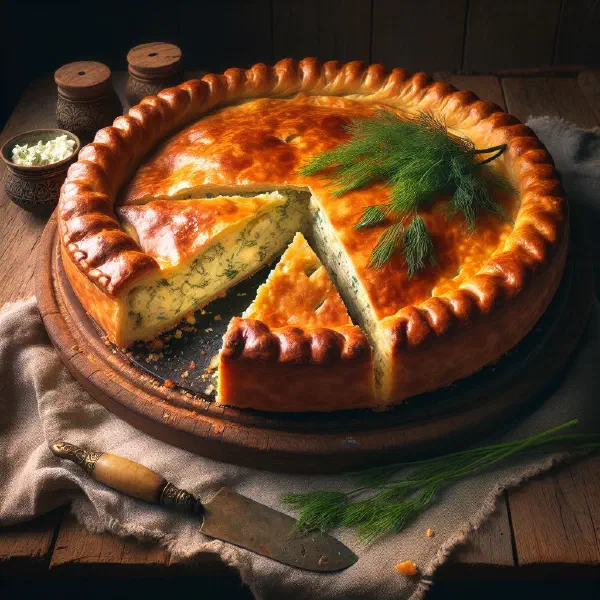
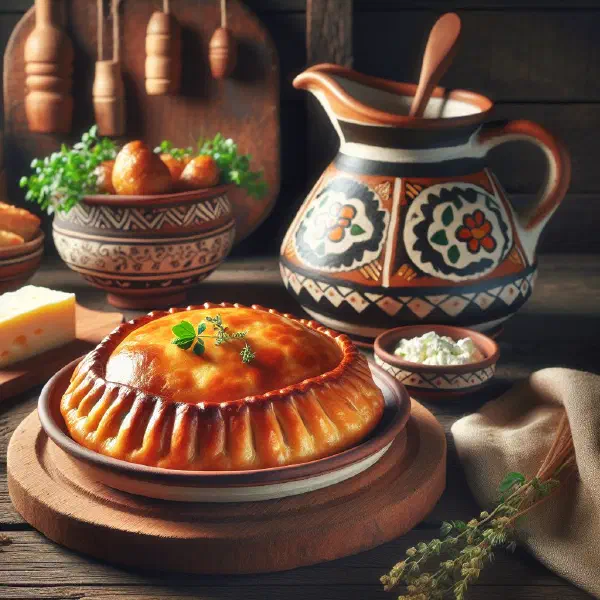
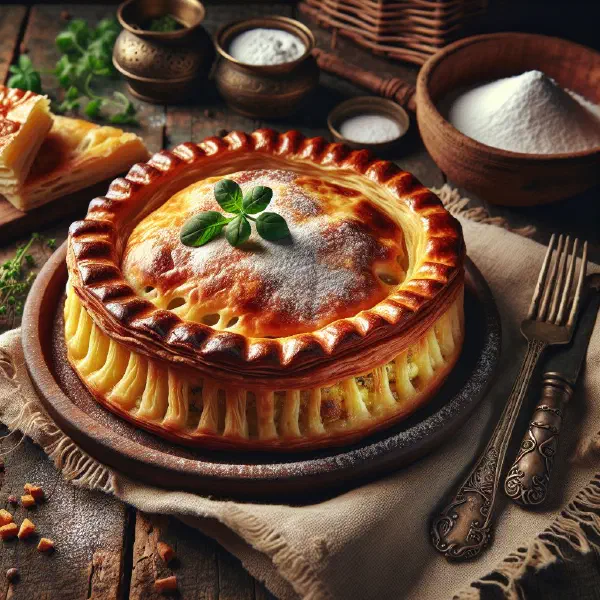
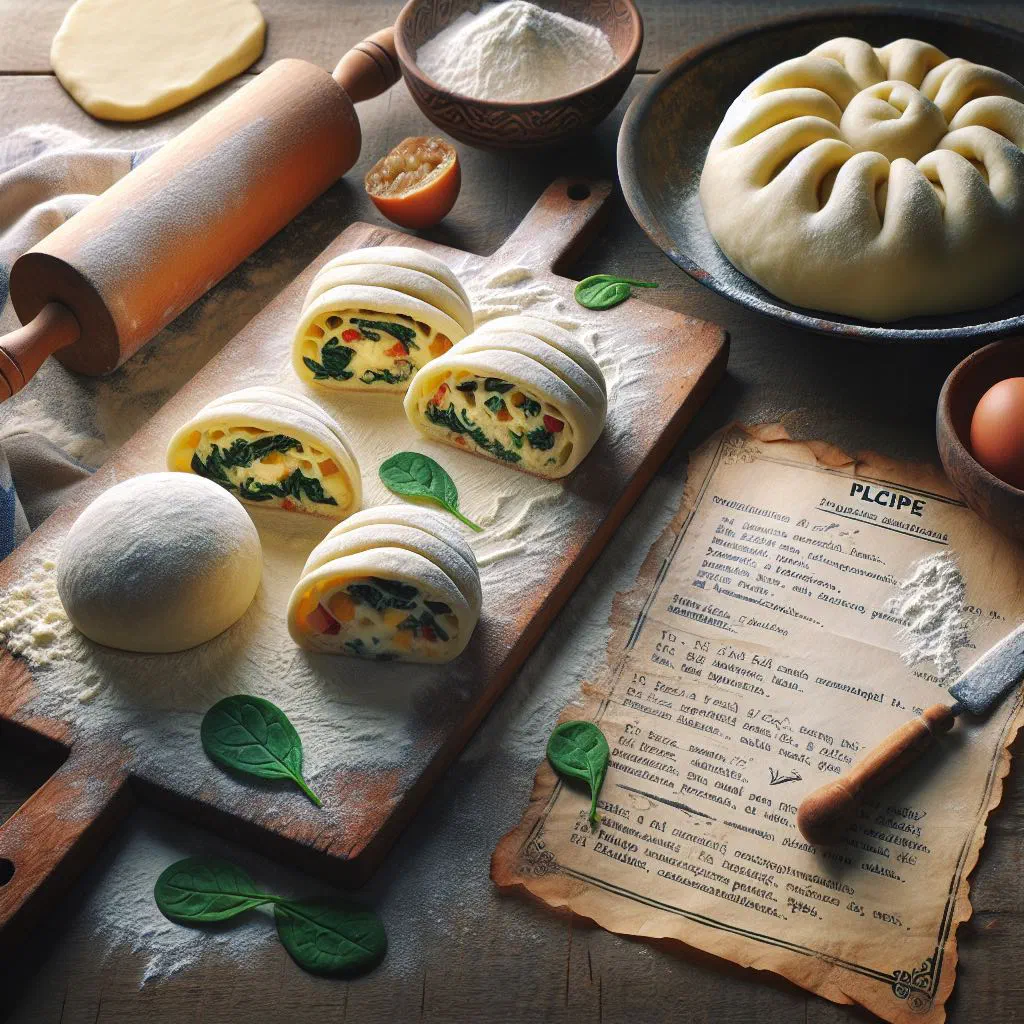
The way plăcintă is served can lift the whole eating experience. Present the pastries on a rustic wooden board and garnish them with fresh herbs. A simple presentation on a plain white plate can look just as appealing. Surprise your guests with an attractive dip or sauce alongside to make the dish feel that bit more special.
A bit of history
Plăcintă has a long tradition in the Moldovan kitchen and is deeply rooted in the country’s culture. The dish is closely associated with family gatherings and festive occasions, which is what makes it such a clear sign of hospitality. Historically it was prepared as a nourishing meal for farm workers, since it travelled well and could be reheated with ease. Today plăcintă is a much-loved staple of Moldovan cuisine that brings people together and keeps old traditions alive.
More recipe ideas
Summary: Plăcintă
Plăcintă is a delicious and adaptable dish that beautifully reflects the variety of Moldovan cooking. With its straightforward method and its endlessly customisable fillings, it suits any occasion. Sweet or savoury, plăcintă bends easily to personal taste and brings a piece of tradition and hospitality to your table. Give this recipe a go and enjoy a slice of Moldova’s culinary heritage.