National Dish Moldova: Placinte cu Branza (Recipe)
In this article
Discover Placinte cu Branza, one of Moldova’s most cherished everyday treats. These golden, pan-fried pastries hide a soft filling of fresh cheese and fragrant garden herbs beneath a thin, crisp crust. They are the sort of food Moldovan grandmothers make without a recipe, quick, generous and impossible to eat just one of. Bring a taste of Eastern European hospitality straight to your own kitchen.
About Placinte cu Branza
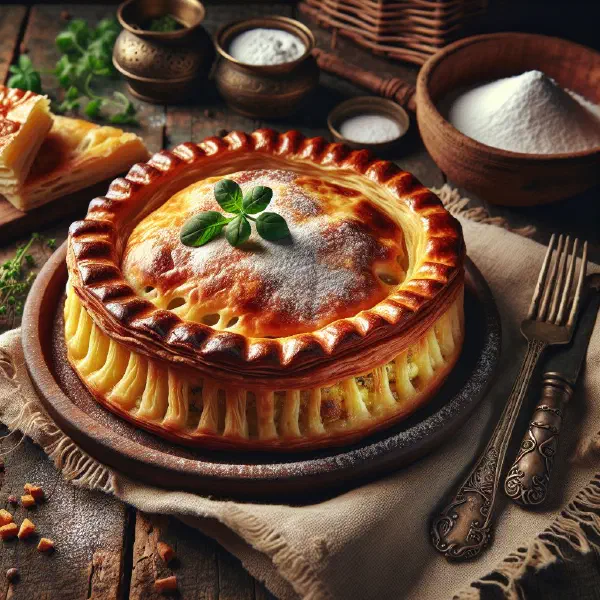
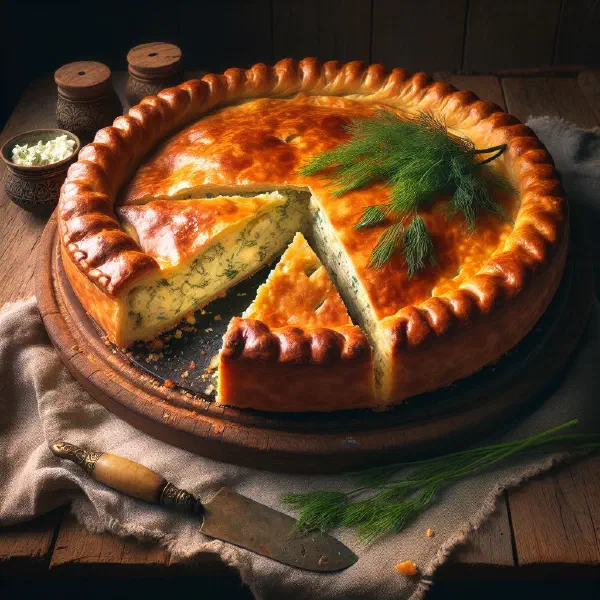
Placinte cu branza are savoury filled pastries and count among the best-loved delicacies in Moldova. The filling is usually built around fresh cheese and aromatic herbs, which together give them their unmistakable flavour. These delicious little parcels work beautifully as a snack or as a main course, carrying the taste of Eastern European tradition straight to your table. They are full of flavour and genuinely simple to make, which makes them an ideal choice for any occasion.
Ingredients (serves 1–2)
- 250 g plain flour
- 125 ml water
- 2 tablespoons oil
- 200 g soft fresh cheese
- 1 bunch fresh herbs (dill, parsley)
- 1 egg
- Salt and pepper, to taste
Shopping for the ingredients
To make perfect placinte cu branza, fresh and good-quality ingredients make all the difference. Visit your local market or supermarket and look for flour and fresh cheese from regional producers. Fresh herbs matter just as much, since they give the pastries their intense aroma. Buy everything in the right quantities so you can be sure of the most delicious results.
Preparing the dish
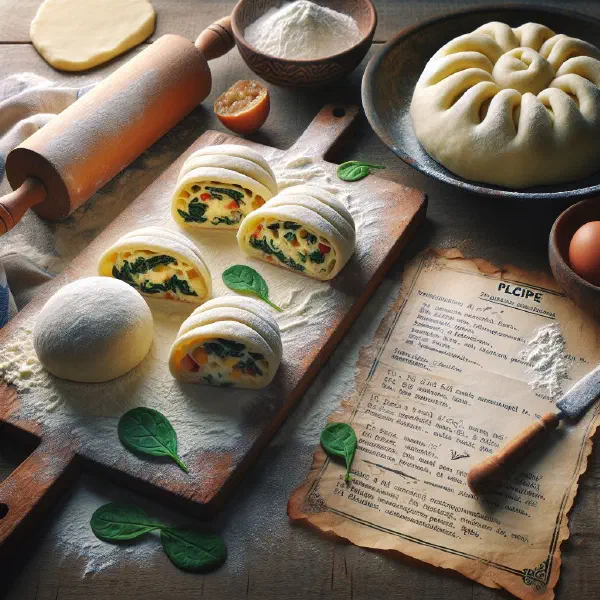
Begin with the dough, working the flour together with the water and oil until you have a smooth, pliable mixture. Let the dough rest for about 30 minutes so it can relax properly. In the meantime you can put the filling together by mixing the fresh cheese with the chopped herbs and seasoning. Season the filling generously. This is what makes the placinte cu branza taste extra good.
Step-by-step instructions
- Combine the flour, water, oil and salt in a bowl and knead into an elastic dough.
- Cover the dough and leave it to rest for around 30 minutes.
- Mix the fresh cheese thoroughly with the herbs, salt, pepper and the egg.
- Roll the dough out thinly on a floured surface.
- Cut out small circles and place a spoonful of filling on each one.
- Fold the edges over and seal them firmly.
- Fry the placinte in a pan of hot oil until golden brown on both sides.
Gluten-free / lactose-free version
Making placinte cu branza gluten-free is perfectly possible if you use gluten-free flour. You will get a very similar result by working with a blend of several different gluten-free flours rather than just one. For a lactose-free version, reach for lactose-free fresh cheese or a plant-based alternative. That way people with food intolerances can enjoy this delicious dish too.
Tips for vegans and vegetarians
For a vegan version of placinte cu branza, swap the fresh cheese for a plant-based cheese alternative. Tofu seasoned with plenty of herbs gives an excellent texture and flavour. Using soya or oat milk in place of the egg as a binder also produces a tasty filling. Vegans can therefore enjoy this traditional dish just as much as anyone else.
More tips and tricks
To achieve the perfect dough consistency, take care not to knead it for too long. Do not overwork it, and let it rest for a full 30 minutes. When rolling out, avoid pressing too hard so the dough keeps its lightness. For especially crisp placinte, fry them over medium heat so they cook through evenly, the same gentle approach that pays off with Coltunasi.
Adapting the recipe to your taste
Depending on your own preferences, the filling can be varied endlessly. Add chopped onions or other vegetables for extra aroma and texture. Different cheeses work well too, feta or mozzarella will noticeably change the character of the finished pastry. Experiment with your favourite combination to create a version that is entirely your own.
Ingredient substitutions
If you have no fresh cheese to hand, ricotta or even cottage cheese will do the job nicely. Dried herbs can stand in for fresh ones and give the dish a different aroma altogether. For the dough you might also try wholemeal flour, which lends the pastries a distinctive, nuttier note. Swapping ingredients like this opens up countless ways to rediscover the recipe.
Drink pairing ideas
Several drinks round off a plate of placinte cu branza beautifully. A lightly chilled rosé wine harmonises perfectly with the savoury pastries. A freshly brewed herbal tea makes an equally comforting companion. Experiment with different options to find what best complements the flavours.
Serving and presentation ideas
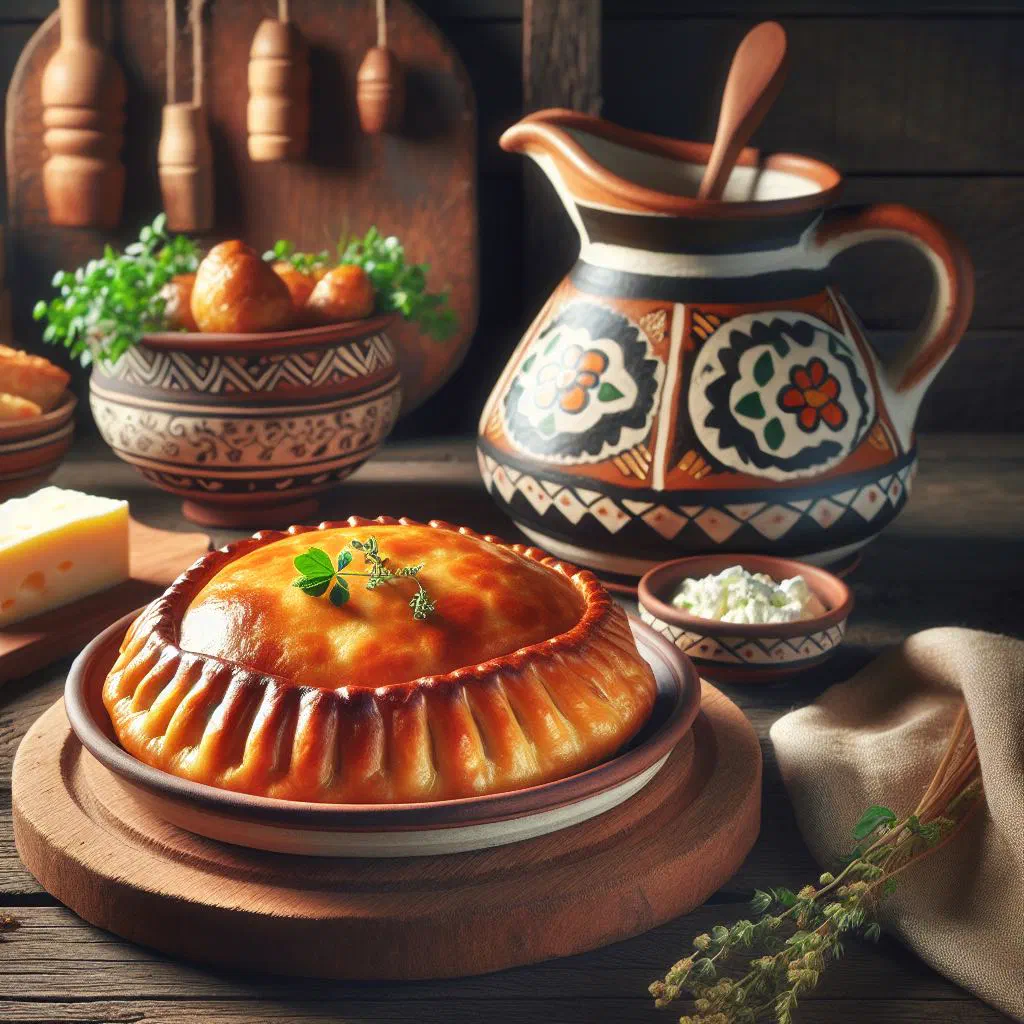
To present your placinte cu branza attractively, arrange them on a handsome plate and garnish with fresh herbs. Serve them warm with a dip of yoghurt and herbs for an extra dimension of flavour. A colourful side of fresh salad, a Tomato Salad, for instance, lifts the dish further. Aim for a presentation that reflects the tradition behind the food.
A bit of history
Placinte cu branza have a long history in Moldovan cuisine and are a symbol of the country’s hospitality. These pastries were frequently prepared for celebrations and holidays. They come from a time when simple, nourishing meals played a central role in rural communities, much like Mamaliga cu Branza. Today they are popular not only in Moldova but across other Eastern European countries as well.
More recipe ideas
Summary: Placinte cu Branza
Placinte cu branza are a delicious way to explore Moldovan cooking. These savoury pastries taste wonderful and adapt to almost any preference. With a handful of simple ingredients you can put together a dish that reflects both tradition and modern influences. Placinte cu branza bring a piece of Eastern European culture to the table.