National Dish Monaco: Civet de Lapin (Recipe)
In this article
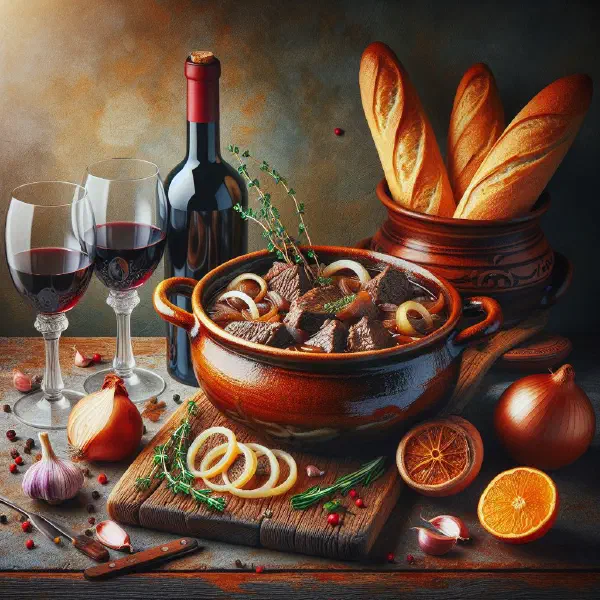
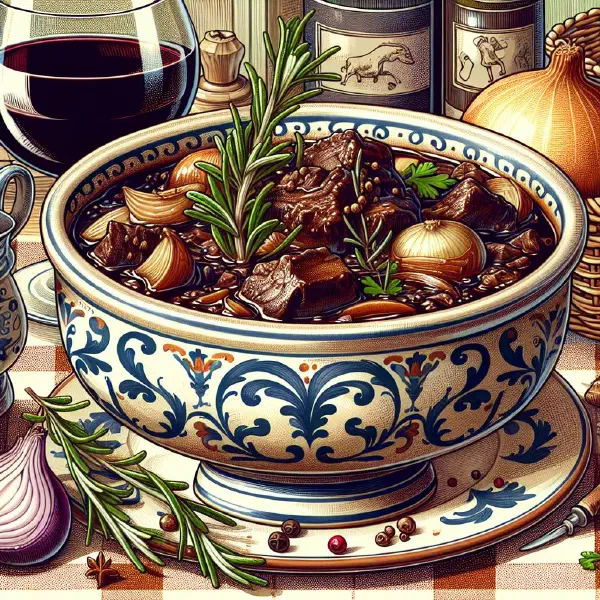
Few dishes capture the unhurried spirit of the Riviera quite like Civet de Lapin, a slow-braised rabbit stew that has long held a place of honour on Monégasque tables. Wild rabbit is simmered gently in robust red wine with thyme, rosemary and bay until the meat falls from the bone and the sauce turns dark and glossy. It is rustic cooking at its most generous, the kind of dish that fills the kitchen with scent for hours and rewards patience with real depth of flavour.
About Civet de Lapin
Civet de Lapin is a traditional wild rabbit stew that enjoys great popularity across French and Mediterranean cooking. This hearty dish is usually prepared with fresh, fragrant herbs and a good measure of full-bodied red wine. In Monaco it is held in especially high regard and appears frequently at festive occasions. The combination of quality ingredients and genuine craftsmanship at the stove makes Civet de Lapin a real culinary experience.
Ingredients (serves 1–2)
- 500g wild rabbit, cut into pieces
- 2 cups full-bodied red wine
- 1 onion, diced
- 2 carrots, sliced
- 2 cloves of garlic, chopped
- 1 tsp thyme
- 1 tsp rosemary
- 2 bay leaves
- 2 tbsp olive oil
- Salt and pepper to taste
Shopping for the ingredients
Shopping for Civet de Lapin takes a little care if you want the best possible produce. Ideally, look for fresh wild rabbit from a trusted butcher or a specialist supplier. When buying red wine, choose a decent bottle. It shapes the flavour of the finished dish more than anything else. The herbs should be fresh too; dried herbs will not ruin the result, but fresh is always better.
Preparing the dish
Preparing Civet de Lapin involves several steps that matter a great deal to the final outcome. First, wash and ready the ingredients: cut the rabbit into bite-sized pieces and dice or slice the vegetables. This ensures every component cooks through at the same rate. It also pays to have the herbs measured out and within reach, so you can add them easily once the pan is going.
Step-by-step instructions
- Heat the olive oil in a large pot and fry the onion together with the garlic until golden brown.
- Add the rabbit pieces and brown them well on all sides.
- Add the carrots, thyme, rosemary and bay leaves and fry briefly.
- Pour in the red wine and bring to the boil. Reduce the heat, cover, and let the dish simmer for around 1.5 to 2 hours, until the meat is tender.
- Season with salt and pepper and serve hot.
Gluten-free / lactose-free version
Civet de Lapin is naturally free from gluten and lactose, which makes it a good choice for anyone with these intolerances. Do check, however, that every product you use, including the spices and the wine, is free from gluten-containing ingredients. The dish adapts without difficulty, so people with particular dietary requirements can enjoy it too. When choosing the wine, look for one made without unnecessary additives.
Tips for vegans and vegetarians
For vegans and vegetarians, Civet de Lapin offers plenty of inspiration for recreating that deep, gamey character using plants alone. In place of rabbit, try roasted aubergine or mushrooms to achieve a comparable texture. Vegetable stock and the same herb mixture will build up the aroma just as effectively. The result is a delicious meat-free variation that captures the bold flavour of the original without any animal products, much like a well-made Ratatouille Provençale.
More tips and tricks
A few small habits improve Civet de Lapin considerably. It is well worth marinating the meat in red wine for several hours beforehand to intensify the flavours. A thoughtful choice of side dishes, mashed potato, a Gratin Dauphinois or fresh baguette, rounds the meal out nicely. And do not forget that slow cooking brings out the very best aromas, so patience plays an important part here.
Adapting the recipe to your taste
You can adjust Civet de Lapin entirely to suit your own palate. If you prefer things with more heat, add chilli or extra pepper alongside the herbs. The vegetables are equally open to variation; celeriac or parsnip make an interesting alternative to carrots.
Ingredient substitutions
If certain ingredients prove hard to find, there are perfectly good alternatives available. Instead of wild rabbit you might use chicken or another tender meat to achieve a similar consistency, as in a classic Fricassée de Volaille. With the herbs, fresh basil or oregano will give the dish a new accent. Experiment with different red wines as well, and you will find each one steers the flavour in its own direction.
Drink pairing ideas
A number of drinks suit Civet de Lapin particularly well. A full-bodied red wine from the same region in which the dish is cooked harmonises perfectly with the flavours of the stew. A dry cider or a well-chilled glass of water with fresh herbs also works nicely. If you fancy something a little more adventurous, cocktails built around herbs or citrus fruit can come into their own here.
Serving and presentation ideas
Presentation can lift the whole Civet de Lapin experience. Serve the stew in handsome deep bowls, or even in small individual pots for a rustic look. Garnish the dish with fresh herbs such as parsley or thyme to create a bright contrast against the dark sauce. The baguette or side dish you serve alongside should be attractively arranged too, so the table looks as good as the food tastes.
A bit of history
Civet de Lapin has a long history, rooted deeply in Mediterranean tradition. The dish originated in rural areas, where wild rabbit was once an important source of food. The method of preparation has changed over the centuries, yet it remains faithful to the same principles: intensify the aromas and let the freshness of the ingredients speak. Today Civet de Lapin counts not only as a classic, but as a symbol of the rich gastronomy of Monaco, a tradition you can explore further through Monaco cuisine and its many slow-cooked specialities.
More recipe ideas
Summary: Civet de Lapin
In short, Civet de Lapin is a hearty wild rabbit stew that ranks among the highlights of Mediterranean cooking, both in flavour and in cultural weight. With a careful choice of ingredients and an unhurried, attentive preparation, you end up with a dish that impresses on any occasion. Experiment with the herbs and side dishes to add your personal touch, and enjoy a piece of Monaco’s culinary heritage in your own home. This is more than a meal; it is an experience full of aroma and tradition.