National Dish Monaco: Daube (Recipe)
In this article
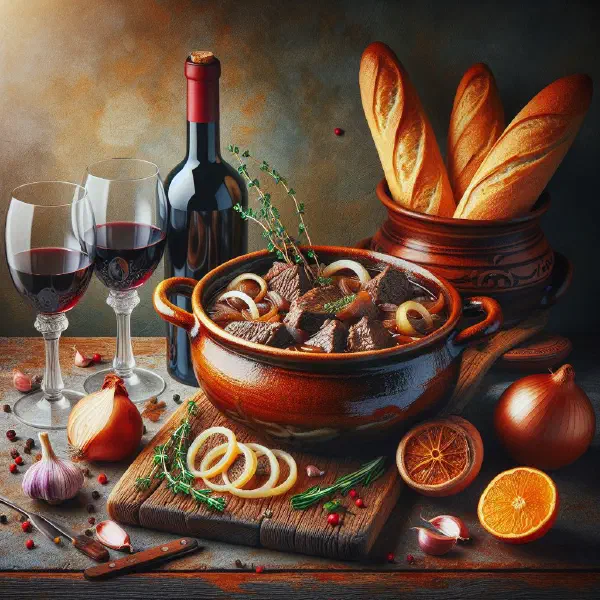
Discover Daube, the slow-simmered beef stew that has come to stand for the unhurried, sun-warmed cooking of the Côte d’Azur. Tender chunks of beef spend hours bathing in red wine alongside carrots, onions and a handful of Mediterranean herbs until the whole pot turns glossy and deeply fragrant. It is a dish for special occasions, but equally a reward at the end of a long day. Proof that patience is the finest seasoning of all.
About Daube
Daube is not merely a meal but a genuine culinary experience, rooted deep in Monégasque tradition. This aromatic stew is built around tender beef marinated in a good red wine so the flavours can develop to their fullest. Carefully chosen herbs and fresh vegetables give the daube its unmistakably Mediterranean character, warm and rounded rather than sharp. It is ideal for a celebratory table, and just as welcome when you simply want to treat yourself after a demanding day.
Ingredients (serves 1–2)
- 300 g beef (shoulder or topside)
- 1 bottle red wine (Côtes du Rhône, for example)
- 1 onion, roughly chopped
- 2 carrots, sliced
- 2 garlic cloves, finely chopped
- 1 sprig of thyme
- 1 bay leaf
- Olive oil, for frying
- Salt and pepper to taste
Shopping for the ingredients
Fresh ingredients are decisive for the flavour of a daube. Visit your local market to find good-quality beef, and ask the butcher for a well-marbled cut that rewards long cooking. Make sure the red wine is at least of decent middling quality, since it has a considerable influence on the finished dish. Do not overlook the fresh herbs either. They are what preserve the true taste of the Côte d’Azur, much as they do in a bowl of Soupe Au Pistou.
Preparing the dish
Before you begin cooking the daube, every ingredient should be prepared with care. Cut the beef into evenly sized pieces so that it cooks through at the same rate. The vegetables can vary according to your taste, but carrots and onions are indispensable. Marinating the meat in red wine for at least three hours before cooking will intensify the aromas and leave the beef noticeably more tender.
Step-by-step instructions
- Combine the beef in a bowl with the red wine, onions, carrots, garlic and seasonings. Marinate for at least three hours, or overnight.
- Drain off the marinade, reserving it, and pat the meat dry.
- Heat a little olive oil in a large pan and brown the meat on all sides until it takes on a good colour.
- Add the vegetables from the marinade and fry them briefly alongside the meat.
- Pour the marinade into the pan and add the seasonings. Bring to the boil, then reduce the heat and simmer, covered, for about two hours until the beef is tender.
Gluten-free / lactose-free version
Daube is naturally gluten-free, since no wheat products are involved at any stage. To keep it lactose-free as well, check that any additional ingredients, oils or spice blends, for instance, are free of dairy too. Avoid milk-based side dishes and serve the daube instead with fresh gluten-free bread or another lactose-free accompaniment. That way everyone at the table can enjoy the dish without reservation.
Tips for vegans and vegetarians
For a vegan or vegetarian daube you can replace the beef with seitan, tofu or a generous mix of vegetables. These hold their texture well and absorb the flavours of the marinade beautifully. Use vegetable stock in place of some of the wine if you prefer, and lean on fresh herbs to intensify the aromas. As always, the balance of seasonings is what decides whether the dish succeeds, a principle equally true of Ratatouille Provencale.
More tips and tricks
A few pointers for a flawless daube: allow plenty of time for the marinade, because that is where the difference is made. Slow cooking likewise contributes greatly to the tenderness of the meat, so resist the urge to hurry things along. Keep the heat gentle to avoid catching or scorching the base of the pan. Taste regularly and adjust the seasoning as you go, so you draw the very best from the aromas.
Adapting the recipe to your taste
The beauty of the daube is how readily it bends to personal preference. Experiment with different vegetables such as celery or leeks for extra aroma and texture. The choice of wine can vary too: some cooks prefer a robust, tannic bottle, while others reach for something lighter and fruitier. Each version turns out subtly different, which is precisely the point.
Ingredient substitutions
If certain ingredients are not to hand, a daube offers plenty of alternatives. Beef can be swapped for game such as venison or wild boar, which gives the dish an exciting new direction. Instead of red wine you might use a well-flavoured stock or even a fruit juice to explore a different dimension of taste. Adjust the other seasonings accordingly so the harmony of the dish is preserved, in the same spirit as a slow-cooked Civet De Lapin.
Drink pairing ideas
The right drink rounds off a daube lunch or dinner perfectly. A robust, fruity red wine harmonises naturally with the rich flavour of the stew. Alternatively a light lager or a fruit beer can complement the food without competing with it. For alcohol-free options, grape juice or a homemade fruity lemonade offers a refreshing counterweight to the richness of the dish.
Serving and presentation ideas
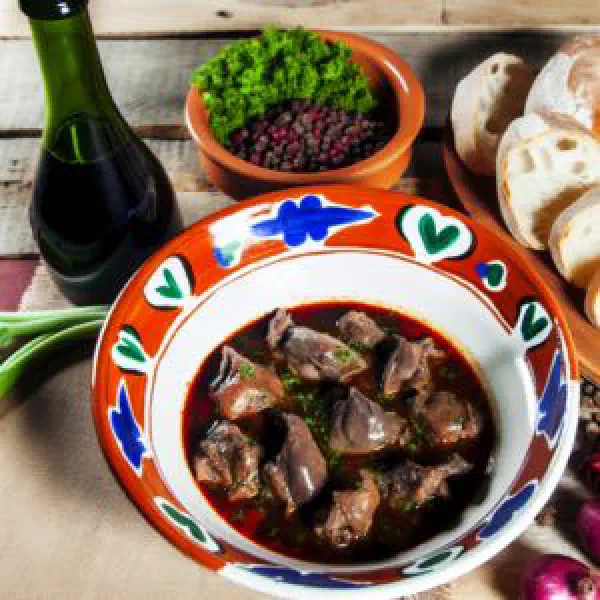
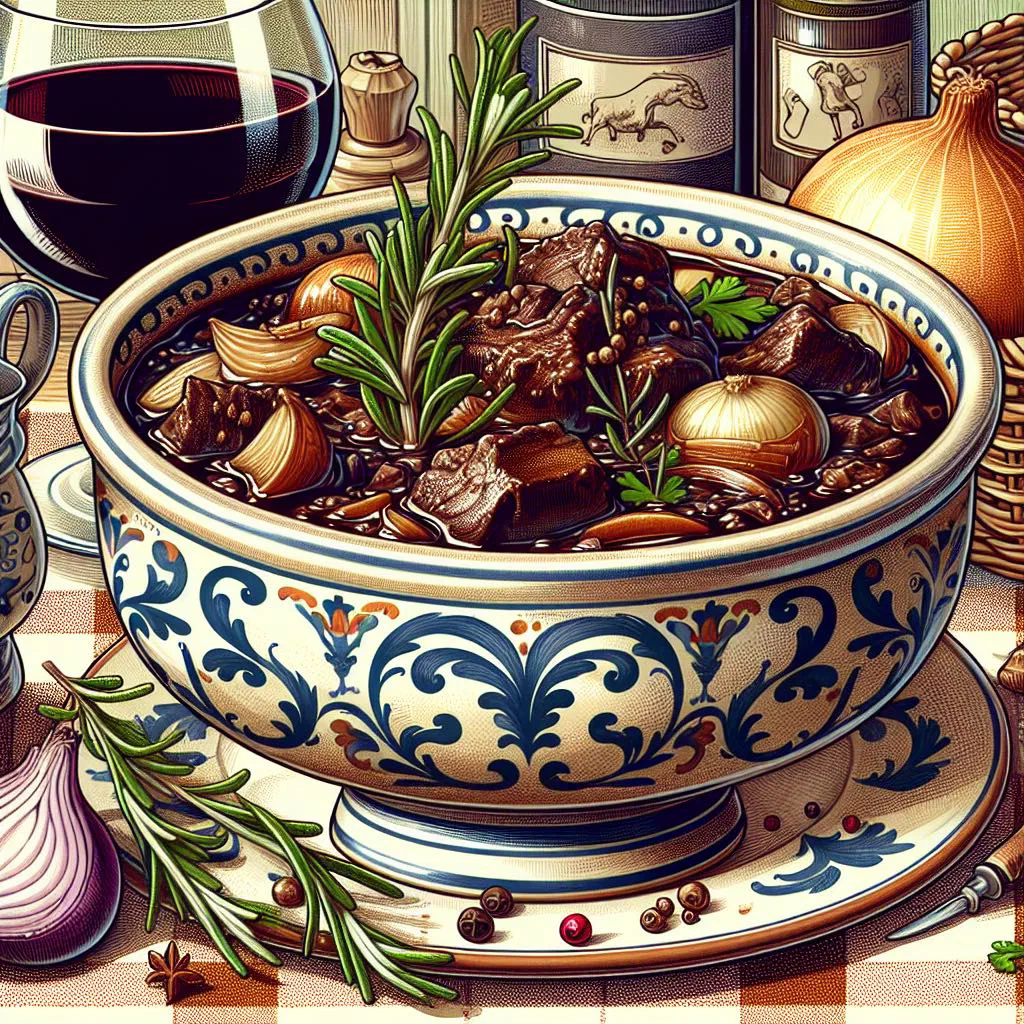
Presenting a daube can be simple yet striking. Serve the stew in a handsome, deep bowl and garnish it with fresh herbs such as parsley or thyme. A piece of rustic bread, lightly toasted, is the ideal companion, a wedge of Fougasse works particularly well. Make sure the colours of the ingredients show to advantage, so the dish is a visual pleasure as much as a culinary one.
A bit of history
The roots of the daube lie in the cooking of southern France, with strong influences from Monégasque tradition. Originally conceived as plain fare for farmers and labourers, the method has evolved over centuries and is now found in the finest restaurants along the coast. With every spoonful you can sense the history and cultural inheritance of the Côte d’Azur reflected in the flavours. The use of regional ingredients and traditional cooking methods is a mark of respect towards Monégasque cuisine.
More recipe ideas
Summary: Daube
Daube is not simply a dish but a genuine tribute to the gastronomy of the Côte d’Azur. With its Mediterranean aromas and its hearty, unhurried method, it brings the essence of Monaco straight to the plate. With a vegan alternative or with an ingredient entirely of your own choosing, the ways to adapt and enjoy a daube are all but limitless. Give it a try and discover how easily a piece of Monaco can find its way into your own kitchen.