National Dish Monaco: Pâté de Campagne (Recipe)
In this article
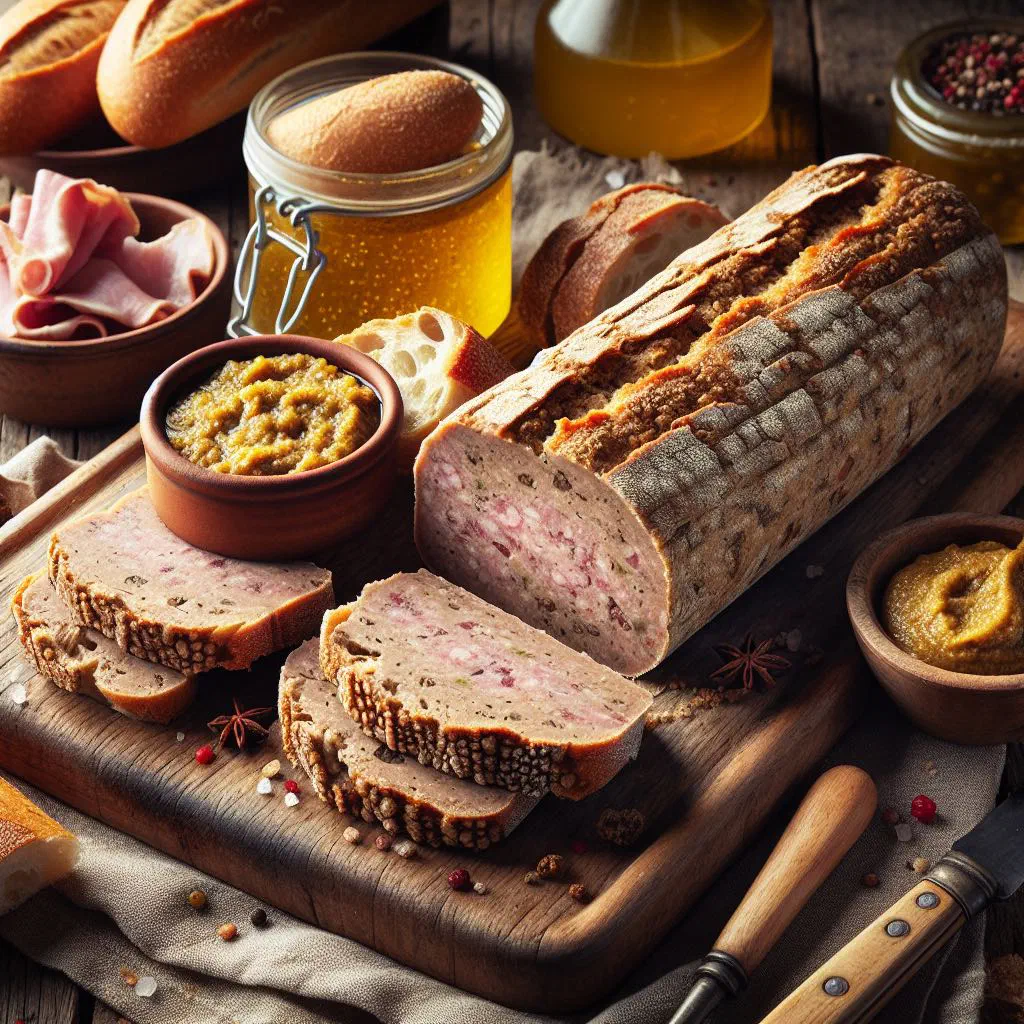
Meet Pâté de Campagne, the rustic country terrine that sits at the heart of Monaco’s table. Coarse, generous and unapologetically savoury, it turns humble cuts of pork and a little duck liver into something worth lingering over. A whisper of thyme, a splash of white wine and a slow spell in the oven do all the work; the rest is patience. Serve it cold with crusty bread and sharp pickles, and you have the essence of Riviera bistro cooking in a single slice.
About Pâté de Campagne
Pâté de Campagne, literally “country pâté”, is a traditional national dish of Monaco, prized for its deep flavour and its pleasingly coarse texture. This hearty terrine is built on finely seasoned meat, liver and a handful of aromatic herbs. Making it is something of an art, one that reflects a love of French bistro culture while capturing the culinary range of Monaco itself. It is usually served with fresh bread and crisp vegetables, which makes it an ideal starter or the centrepiece of a relaxed picnic.
Ingredients (serves 1–2)
- 300 g pork
- 100 g duck liver
- 1 small onion, finely chopped
- 2 garlic cloves, finely chopped
- 1 tablespoon fresh thyme leaves
- 1 teaspoon salt
- 1/2 teaspoon pepper
- 1/2 teaspoon nutmeg
- 50 ml white wine
- 1–2 rashers of streaky bacon
Shopping for the ingredients
When shopping for pâté de campagne, the quality of the meat matters more than anything else. Seek out a local butcher who can supply fresh, well-raised pork along with duck liver. Fresh herbs are just as decisive for the flavour, so a trip to a weekly market or a good organic greengrocer is well worth the detour. Don’t overlook the supporting cast either, choose firm onions and plump garlic to get the best aroma out of the finished terrine.
Preparing the dish
Before you start on the pâté de campagne, it pays to lay everything out in advance. That means prepping the meat, of course, but also having every spice and herb within easy reach. Get your equipment ready too: a terrine mould and either a food processor or a mincer. Clearing your work surface and assembling all the utensils beforehand keeps the whole process calm and unhurried once the cooking begins.
Step-by-step instructions
- Cut the pork into small pieces and coarsely chop the duck liver.
- Sweat the onion and garlic in a little oil in a frying pan until softened.
- In a bowl, combine the pork, duck liver, softened onion and garlic, thyme, salt, pepper and nutmeg.
- Pour in the white wine and mix thoroughly until you have an even mixture.
- Tip the mixture into a terrine mould lined with bacon and press it down firmly.
- Bake in a preheated oven at 160°C for about 1 hour.
- Let the pâté cool completely after baking and serve it well chilled.
Gluten-free / lactose-free version
Pâté de campagne adapts easily to a gluten-free or lactose-free table. Simply reach for gluten-free bread if you plan to serve the terrine with bread, as standard loaves almost always contain gluten. For a lactose-free spread alongside, plant-based butters give you the same creamy richness without the dairy. When buying the meat, do check the labels on any prepared products for hidden gluten or milk derivatives.
Tips for vegans and vegetarians
The classic pâté de campagne is built on animal products, but there are inventive ways for vegans and vegetarians to reach a similar effect. Swap the meat for a base of plant proteins such as lentils, and lean on mushrooms or smoked tofu for savoury depth. Vegan butter and a confident hand with the seasoning will carry much of the flavour. Creativity is the key here, as with the meat-free Terrine de Légumes, texture is what makes a vegetable terrine convincing.
More tips and tricks
A few habits make a real difference to a country pâté. Use a meat thermometer to confirm that the centre reaches 70°C, which matters for food safety as much as for texture. Then let the terrine rest for at least 24 hours so the flavours settle and marry. A properly chilled pâté also slices far more cleanly than a warm one. Beyond that, experiment freely with different herbs and spices until you land on a blend that feels like your own.
Adapting the recipe to your taste
Everyone has their own idea of the perfect balance of flavour and texture. Pâté de campagne takes readily to different meats, game or poultry will send it in a completely new direction. Dried fruit, nuts or a pinch of curry powder can also lift the mixture into more unexpected territory. Don’t be shy about trying combinations until you find the one that suits your own palate.
Ingredient substitutions
If something on the list is hard to come by, there are plenty of workable alternatives. Beef or chicken can stand in for the pork without much fuss. For a rounder, richer result you might replace the white wine with fruit or vegetable stock. And if duck liver proves elusive, a combination of beef or pork liver with a little chicken will get you close to the same flavour, the same kind of thrift that underpins a slow-cooked Daube Provençale.
Drink pairing ideas
Several drinks work beautifully with pâté de campagne. A dry rosé or a crisp, lively white wine are the natural partners, cutting through the richness while echoing its savoury notes. A lightly chilled cider makes for an interesting and refreshing alternative. If you would rather stay alcohol-free, homemade lemonade or sparkling water with lemon strikes a lovely balance.
Serving and presentation ideas
Presentation can make or break the impression a pâté leaves. Serve it in an elegant terrine dish and garnish with fresh herbs for a bright contrast of colour. Dress the plate with pickled vegetables or olives to add extra flavour and texture, and a wedge of warm Fougasse never goes amiss. The right crockery and a thoughtfully laid table lift the whole experience considerably.
A bit of history
Pâté de campagne has a long lineage in French cooking and is a symbol of rustic, country craftsmanship. It began in rural kitchens, where farmers made it to preserve their meat through the leaner months. In Monaco the dish has become a fixture of the local gastronomy, served happily at celebrations and special occasions. It represents not just the culinary identity of the region but the deep attachment that Monegasque cuisine retains to the traditions of the French table.
More recipe ideas
Summary: Pâté de Campagne
Pâté de campagne is a genuine feast for the senses and an irreplaceable part of Monaco’s gastronomic tradition. With its rich texture and concentrated flavour, it is a favourite among locals and food lovers alike. The sheer number of ways to adapt and present it makes it a perfect dish for almost any occasion. More than that, it brings the spirit of French bistro culture straight to your table and invites your guests to a culinary experience they will not forget in a hurry.