National Dish Monaco: Pissaladière (Recipe)
In this article
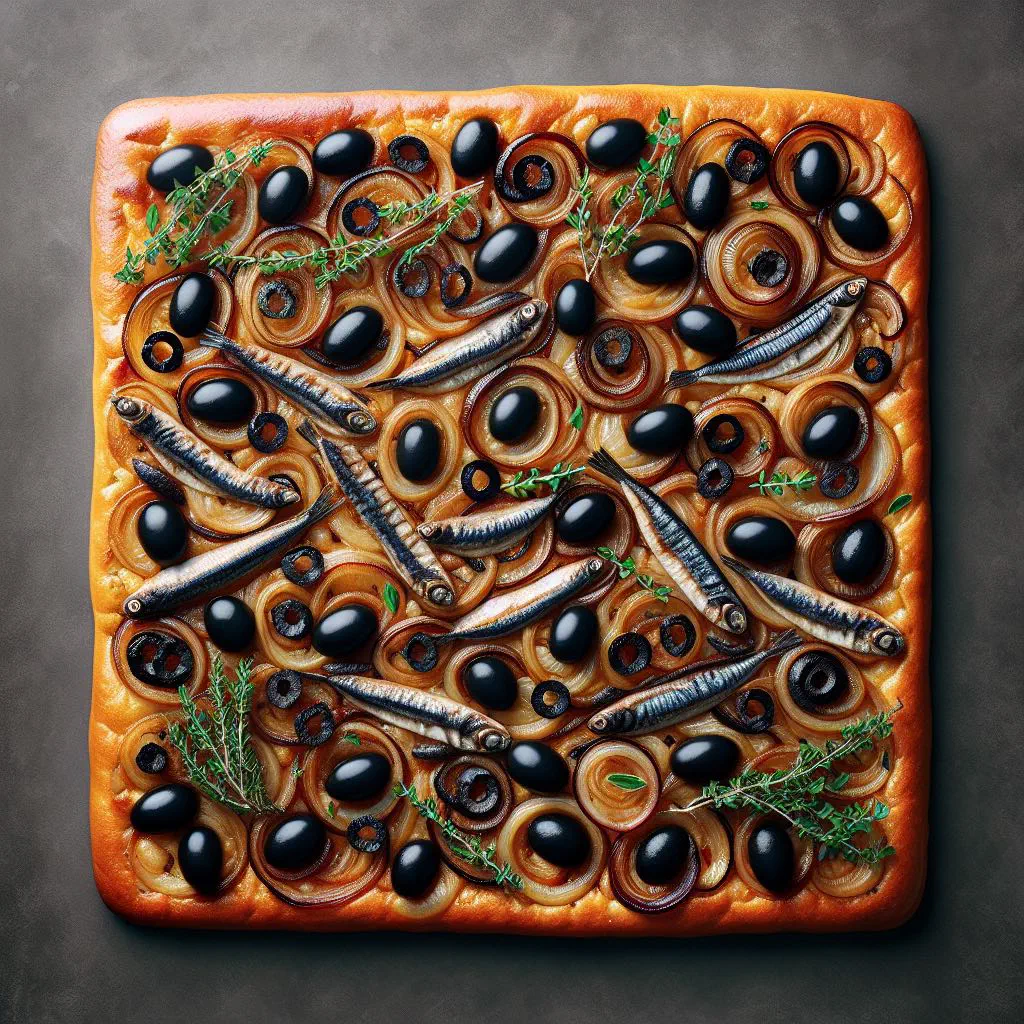
Discover Pissaladière, the savoury onion tart that captures the sun-soaked spirit of Monaco and the Côte d’Azur. Sweet, slow-cooked onions melt into a crisp golden base, punctuated by glossy black olives and the woody perfume of fresh thyme. It is the kind of unfussy, generous food that tastes best cut into squares and shared, with a glass of something chilled and the sea somewhere in view.
About Pissaladière
Pissaladière is a traditional dish from the region around Monaco, distinguished by its aromatic ingredients and its beautifully rounded flavour. This savoury tart, often served as a snack or a starter, brings together caramelised onions, black olives and thyme on a crisp base. A defining feature is the use of anchovies, which lend the tart its characteristic salty depth. Pissaladière is not only delicious, it is also a wonderful way to enjoy the Mediterranean way of life, much like its close cousin, the chickpea pancake Socca.
Ingredients (serves 1–2)
- 250 g pizza dough or puff pastry
- 4 large onions, thinly sliced
- 150 g black olives, stoned
- 2–3 tablespoons olive oil
- 1–2 teaspoons fresh thyme, chopped
- 4–6 anchovies (optional)
- Salt and pepper to taste
Shopping for the ingredients
When shopping for the ingredients for pissaladière, quality makes all the difference. Fresh onions are decisive for the flavour, while good black olives and a fruity olive oil underline the tart’s Mediterranean character. Anchovies can be bought fresh or in a jar, choose whichever suits your taste. The pizza dough can be made from scratch or picked up ready-made from the supermarket, depending on how much time you have.
Preparing the dish
Preparing the dish is straightforward and calls for only a little groundwork. Begin by slicing the onions: they should be cut thinly so they caramelise more quickly. While you roll out the dough, the onions can be softening gently in a pan with olive oil. Patience matters here, cook the onions over low heat so their full sweetness has time to develop.
Step-by-step instructions
- Preheat the oven to 200°C.
- Caramelise the onions in olive oil over low heat for about 15–20 minutes.
- Roll the pizza dough out onto a baking tray and prick it lightly all over with a fork.
- Spread the caramelised onions evenly across the dough.
- Arrange the black olives and, if using, the anchovies on top.
- Scatter with fresh thyme and season with salt and pepper.
- Bake in the preheated oven for about 25–30 minutes, until golden brown.
Gluten-free / lactose-free version
For a gluten-free version, use one of the gluten-free doughs sold specifically for pizzas and tarts, and check that every other ingredient suits a gluten-free diet. A lactose-free version is equally simple, since the recipe is naturally free of dairy as long as you avoid adding any lactose-containing extras. Plant-based alternatives to cream or cheese can be used instead if you want to vary the texture and flavour.
Tips for vegans and vegetarians
For vegans, the tart is easily adapted by leaving out the anchovies altogether. Add vegan cheese or another plant-based alternative to restore the savoury, salty note they provide. Vegetarians can enjoy the classic recipe just as it is, provided the remaining ingredients are suitable. Experiment with different herbs or vegetables to refine the tart to your own taste, the same spirit that makes a Terrine De Legumes so endlessly variable.
More tips and tricks
A few further tips and tricks will make your pissaladière even better. Try different varieties of olive to explore new flavour notes. A splash of balsamic vinegar or a hint of honey balances the sweet and salty elements beautifully. Let the tart cool a little after baking so the aromas can settle and intensify before you serve it.
Adapting the recipe to your taste
Adapting the recipe to your preferences is easy, since pissaladière takes well to all sorts of variations. Like it hotter? Add fresh chilli or a pinch of chilli flakes. For a richer result, work in a cheese such as goat’s cheese or feta. Just remember to adjust the baking time accordingly, especially if you are using fresh ingredients that cook more quickly.
Ingredient substitutions
There are plenty of alternatives you can call on for your pissaladière. No black olives to hand? Green olives or even sun-dried tomatoes make a tasty stand-in. Instead of fresh thyme, dried herbs or an Italian herb blend from the spice rack will do the job nicely. If you want to lean further into the anchovy flavour, borrow an idea from Anchoiade and mash them into the oil before brushing it over the base.
Drink pairing ideas
Suitable drinks for pissaladière range from refreshing wines to light cocktails. A dry white wine such as a Sauvignon Blanc works beautifully with the flavours of the onions and the oil. A crisp rosé or an aromatic beer are equally good choices. For a non-alcoholic option, fresh lemonade or a fruity iced tea rounds off the meal perfectly.
Serving and presentation ideas
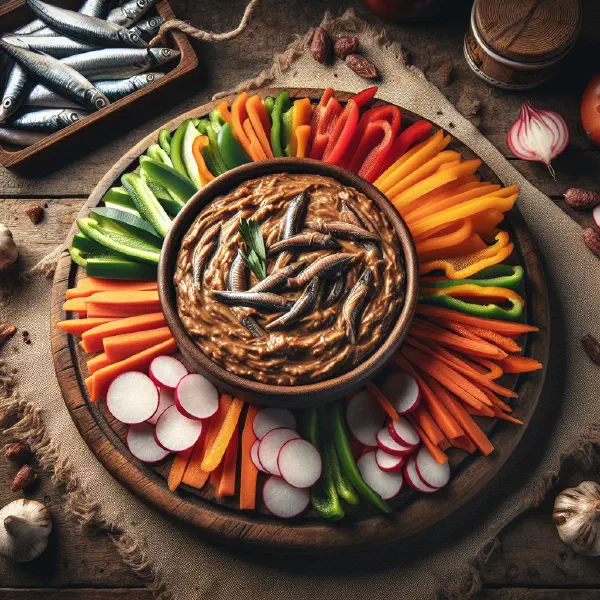
Presentation can add a great deal to the pleasure of pissaladière. Serve the tart on a large wooden board for a rustic, relaxed feel. Garnish it with fresh herbs or a final drizzle of olive oil. Set small bowls of dips or extra olives alongside so guests have something to choose from, a pot of Aioli is a classic accompaniment.
A bit of history
The history of pissaladière is every bit as interesting as the tart itself. The recipe originally comes from the region around Nice and carries influences from a range of Mediterranean cultures. The combination of onions, olives and a simple base reflects the plain but delicious cooking of the Côte d’Azur, a hallmark of Monaco cuisine. Over time the dish spread throughout Provence, and it remains a much-loved snack and starter to this day.
More recipe ideas
Summary: Pissaladière
Pissaladière brings together the most delicious flavours of Mediterranean cooking in one simple but wonderfully satisfying dish. The combination of onions, olives and thyme makes it memorable. With a few easy adjustments, both vegans and vegetarians can create their own version. Enjoy the colourful variety of this Monégasque speciality and let its history and its flavour work their magic on you.